
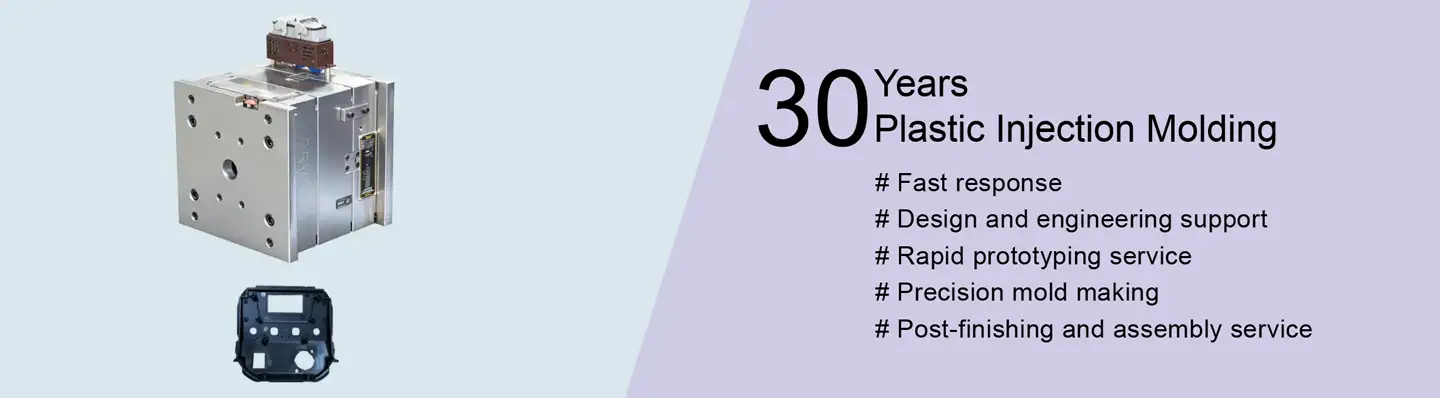
In today’s rapidly evolving injection molding industry, manufacturers demand faster development cycles, broader customization options, and cost-effective tooling solutions that can support a wide range of product variations.
One of the most important innovations supporting these goals is universal moulding—a modular and flexible tooling approach that allows companies to create multiple plastic moulded components using a single standardized mold base with interchangeable inserts, cores, and cavity modules.
Whether used for precision moulding parts, moulded plastic components, plastic moulded housings, or complex engineering plastic molding projects, universal moulding provides an unmatched combination of adaptability, accuracy, and cost reduction.
This article explores the structure, benefits, applications, and future potential of universal molding solutions in the global plastic processing industry.
What Is Universal Moulding?
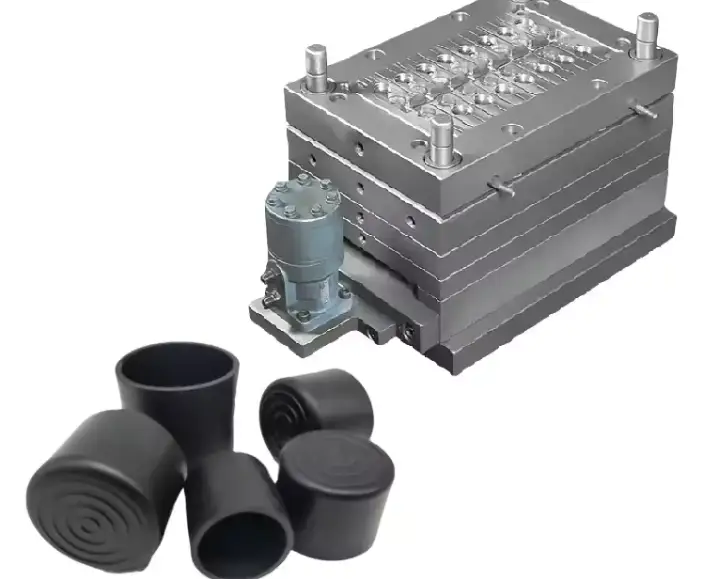
In professional manufacturing terms, universal moulding (also written as universal molding) refers to a tooling method in which a single universal mold base supports multiple interchangeable inserts or modules.
Instead of building new moulds for every product variant, manufacturers use a standardized frame and only replace the functional components that define the final shape of the part.
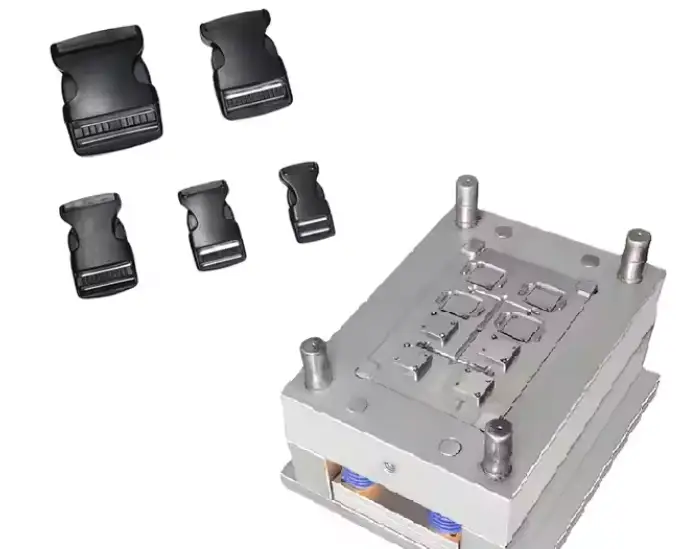
Universal moulding typically involves:
- A universal mold base
- Modular cavity and core inserts
- Replaceable slides, pins, and gates
- Adaptable cooling and channel systems
- High-precision mould design and tooling
- Multi-cavity or single-cavity flexibility
This flexible tooling structure forms the foundation of universal moulding processes, widely adopted by every modern custom moulding manufacturer, plastic manufacturing services provider, and large-scale universal moulding company.
Why Universal Moulding Matters in Today’s Industry
The demand for personalization, rapid prototyping, and a wider range of product variations is growing across multiple industries. Companies need cost-effective moulding capabilities that can adjust to frequent changes without compromising quality or precision.
Universal moulding offers exactly that.
Key Reasons for Industry Adoption
Reduce Tooling Price and Investment
A significant portion of the mold cost comes from the mold base, cooling channels, ejector systems, and support structures. Universal moulding preserves these high-cost elements.
Only inserts or modules are replaced — reducing overall tooling price by 40–70%.
Faster Speed to Market
Universal moulding components can be manufactured and swapped in days, not months. Companies can launch new product variations, update features, or roll out seasonal editions with faster turnaround.
Enhanced Product Flexibility
Design modifications related to logos, corners, interior thickness, channels, spools, or features can be implemented simply by machining new inserts.
Fits a Wide Range of Industries
The system supports:
- automotive glass molding
- interior and exterior components
- rubber moldings
- window and frame moulding
- spool holders and parts
- universal arquati frame moulding
- high-volume moulding
- thermoplastic moulding
- OEM product moulding
Its universal nature allows manufacturers to provide moulding for all industries efficiently.
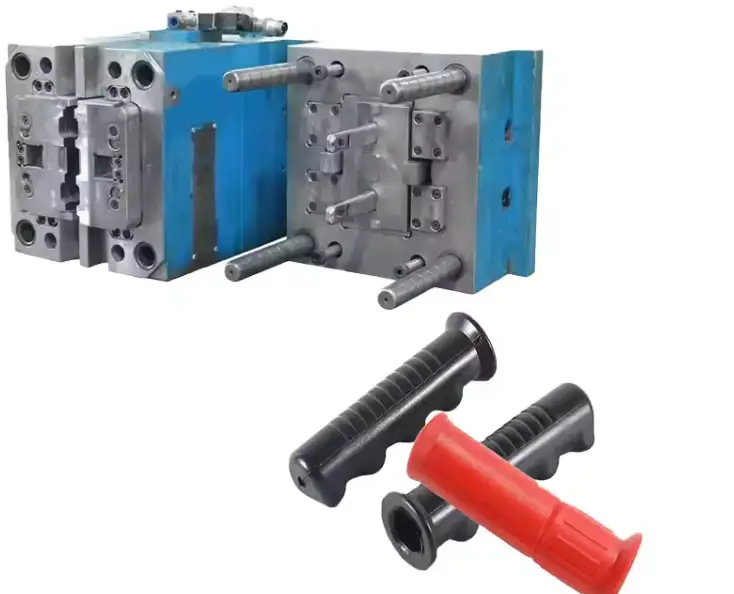
How Universal Moulding Works
The standard injection molding process remains the same: melt plastic resin, inject, cool, eject. What changes in universal moulding is the tooling structure.
Universal Mold Base (Frame)
A universal base or frame moulding includes:
- sprue bush
- support plates
- guide pillars
- ejector assemblies
- base cooling systems
- mounting channels
This base is designed for durability and precision. High-quality universal moulding bases from professional suppliers remain flexible, resist shrinkage, and maintain consistent results even after years of use.
Interchangeable Cavity Inserts
These define the final shape of the product. They can be swapped easily without modifying the entire mold.
Examples include:
- logo inserts
- feature variations
- different connector areas
- updated design patterns
- corner geometries
- edge configurations
Modular Core Inserts
The core forms the internal geometry. Universal systems allow:
- different hole positions
- new internal structures
- deeper channels
- updated spool holders
- thin or thick wall options
Gating, Runners, and Hot Runners
Universal moulding systems often include:
- adaptable hot-runner plates
- modular cold runners
- interchangeable nozzles
This ensures that universal part production does not require a fully redesigned gating system every time.
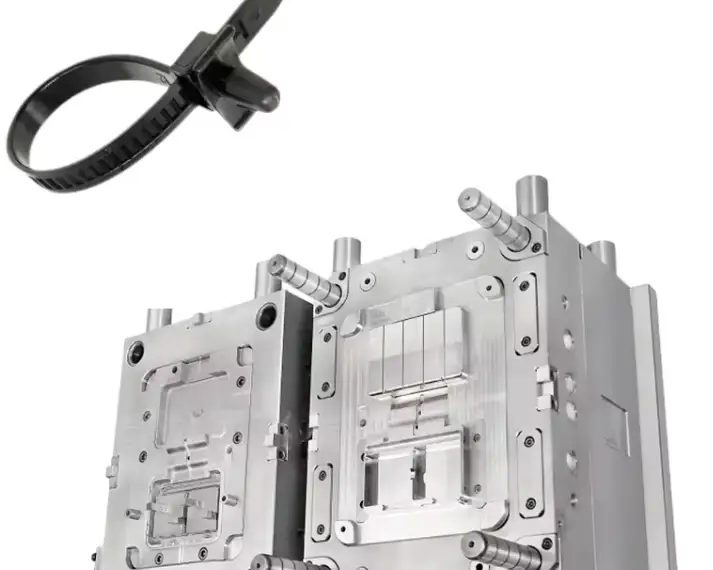
Around-Corners Flexibility
Certain universal moulding materials — especially rubber moldings and soft thermoplastic components — must:
- never crimp around corners
- always lay flush
- adhere using a thin layer of butyl
- remain flexible in all weather
- never shrink or discolor
These requirements must be incorporated into mould design and manufacturing.
Types of Universal Moulding Systems
Universal moulding exists in multiple formats depending on the industry and application.
Universal Insert Molds
The most common and widely used approach.
Used for:
- electronic housings
- automotive dashboard parts
- window and interior frame molding
- industrial plastic moulding assemblies
Multi-Cavity Universal Systems
A multi-cavity mould system allows a manufacturer to adjust cavity numbers depending on production volume.
Perfect for high-volume moulding applications.
Universal Tooling Solutions for OEM
These include:
- universal mould building systems
- precision toolmaking solutions
- mould fabrication services
- automated moulding machines
They support efficient plastic component manufacturing for original equipment manufacturers.
Universal Overmolding and Insert Molding
Designed for:
- rubber-over-plastic parts
- automotive glass seals
- protective edge covers
- insulated components
Universal Moulding Materials
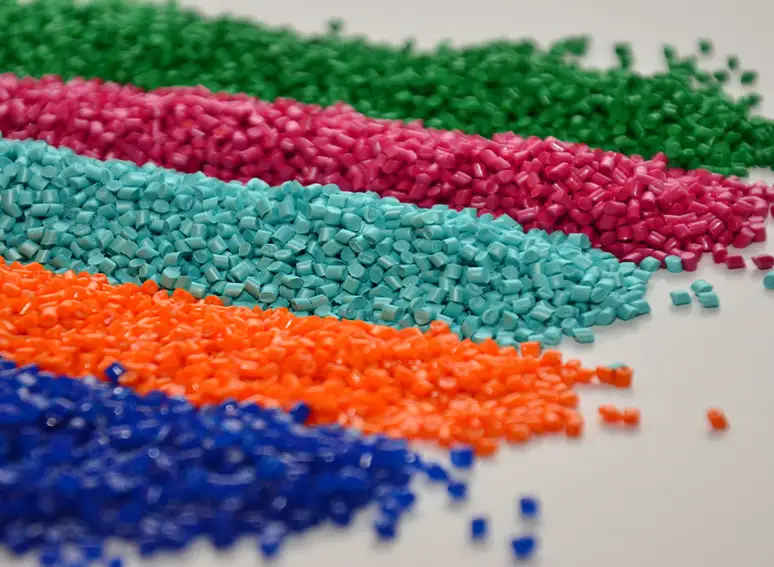
Universal systems can support most thermoplastic moulding resins and many engineered materials.
Compatible materials:
- ABS, PP, PS
- HDPE, LDPE
- PA6 / PA66
- POM
- PVC
- TPU, TPE
- PC, PC+ABS
- PPS, PBT
- PEI, PEEK
- butyl rubber
- automotive rubber compounds
These materials remain dimensionally stable and provide superior finish, durability, weather resistance, and reliable performance in different applications.
Universal Moulding Applications Across Industries
Here are the industries using universal moulding most frequently:
Automotive
Universal molding supports:
- automotive glass edges
- rubber moldings
- weather-resistant trims
- precision interior components
- spool and clip parts
- channels and connectors
Universal products often require:
- a stable finish
- high accuracy
- highest quality surface
- flexibility around corners
Electronics and Consumer Products
Used for:
- remote shells
- plastic housings
- edge frames
- precision moulded parts
Universal moulding makes it easy to update original designs to new features.
Windows, Frames, and Interiors
Includes:
- universal arquati frame moulding
- interior window components
- decorative edge profiles
- corner-fit products
These universal molding systems offer durability and a clean professional finish.
Industrial and Mechanical Equipment
Universal moulding supports:
- custom injection moulded parts
- plastic moulding technology components
- durable plastic parts
- universal molding solutions for machinery
- components with complex geometries
Universal Moulding vs Traditional Injection Molding
| Feature | Universal Moulding | Traditional Tooling |
|---|---|---|
| Mold cost | Lower | High |
| Lead time | Short | Long |
| Flexibility | High | Low |
| Multi-version support | Excellent | Poor |
| Production scale | Low–high | Best for high volume |
| Maintenance | Easy | Expensive |
| Design updates | Quick | Time-consuming |
Universal moulding provides a competitive solution for companies requiring agility and cost efficiency.
Design Considerations for Universal Moulding
When preparing a part or product design for universal moulding, engineers should:
Maintain Consistent Outer Dimensions
This ensures compatibility with the universal base.
Define Interchangeable Features
Allow modification of:
- frame edges
- channels
- corner geometry
- spool positions
- logos
- interior structures
Use Standardized Interfaces
Universal systems require predictable insert boundaries.
Avoid Overly Complex Corner Requirements
Products must:
- never crimp around corners
- never need a heat gun to install (when using flexible materials)
- always lay flush
Butyl-based universal materials should remain flexible even in harsh weather.
Cost and Efficiency Benefits
The cost-effectiveness of universal moulding is one of its biggest advantages.
Reduced Steel Consumption
Only inserts are replaced—not entire mold structures.
Lower Storage Requirements
Instead of storing dozens of molds, companies store small sets of inserts.
Lower Maintenance Costs
If a cavity wears or a channel is damaged, only the insert is replaced.
Faster Turnaround
Universal systems reduce:
- downtime
- engineering labor
- retooling efforts
This makes universal moulding a preferred approach for competitive manufacturers.
Universal Moulding Capabilities of Modern Manufacturers
Today’s advanced universal injection molding companies provide:
Advanced Injection Moulding
Using:
- automated moulding machines
- precision toolmaking
- multi-cavity mould systems
- high-accuracy CNC machining
Plastic Injection Production
Covering:
- moulded plastic components
- plastic moulded housings
- durable plastic parts
- complex moulding geometries
Custom Injection Moulded Parts
For:
- industrial machines
- automotive OEMs
- electronics
- interior and window frame molding
- universal arquati molding applications
Universal moulding companies now offer a wide range of capabilities to support different markets.
Universal Moulding in Harsh Environments
Universal mouldings — particularly rubber and butyl-based systems — must withstand:
- heat
- humidity
- weather exposure
- shrink
- stress and aging
High-quality mouldings:
- never shrink or discolor
- remain flexible
- adhere using a thin layer of butyl
- never require a heat gun to install
- always lay flush around corners
This ensures long product life and stable performance.
Future Trends in Universal Moulding
Digital Mold Libraries
Companies are building universal mold bases with standardized insert libraries.
Automated Insert Changing
Robots will soon automate the transfer of cavity inserts.
Hybrid 3D-Printed Inserts
Used for prototyping and low-volume runs.
Universal Tooling for Smart Factories
Supporting Industry 4.0, AI-driven design checks, and predictive maintenance.
Conclusion
Universal moulding is more than a tooling method—it is a strategic approach that helps manufacturers improve production speed, reduce cost, and scale product families efficiently. Its ability to support a wide range of applications, materials, and industries makes it an essential capability for any professional plastic moulding services provider or custom moulding manufacturer.
With strong support for:
- universal moulding materials
- universal tooling solutions
- complex moulding geometries
- cost-effective production
- precision moulding parts
- industrial plastic moulding applications
…universal moulding empowers companies to stay competitive, agile, and innovative in an increasingly demanding global marketplace.
It is one of today’s most practical and scalable solutions for modern plastic injection production.