
Polycarbonate injection molding is one of the most versatile and widely used plastic molding processes in modern manufacturing. Known for its impact resistance, optical clarity, and thermal stability, polycarbonate (PC) is the preferred thermoplastic for durable plastic components, automotive plastic components, medical device plastics, and electronics enclosures.
Understanding the polycarbonate injection molding process, including mold design, process parameters, temperature control, and injection molding machine settings, is critical for producing high-quality, warp-free molded polycarbonate parts.
This guide will cover PC molding techniques, material properties, tooling options, design guidelines, applications, and process optimization, providing insights for engineers, manufacturers, and product designers.
What Is Polycarbonate Plastic Molding?
Polycarbonate injection molding refers to the process of injecting molten polycarbonate into a mold to create high-performance plastic parts. Using injection molding machines, molten polycarbonate resin is forced into the mold cavity under high injection pressure and injection speed, cooled, and ejected as a solid polycarbonate part.
The injection molding process allows manufacturers to produce complex injection molded parts with tight tolerances, optically clear surfaces, and consistent mechanical properties. Polycarbonate injection molding is ideal for high-volume molding, low-volume production, and custom polycarbonate prototypes.
Properties of Polycarbonate Relevant to Injection Molding
Polycarbonate is a high-performance polymer with exceptional mechanical properties, durability, and optical clarity. Its characteristics make it ideal for thermoplastic molding, transparent plastic molding, and impact-resistant plastic components.
Key Properties
- Impact resistance: Polycarbonate has excellent toughness, ideal for eyeglass lenses, automotive plastic components, and protective covers.
- Temperature resistance: Heat-resistant plastic suitable for applications requiring high mold temperature and melt temperature.
- Optical clarity: Optically clear polycarbonate is perfect for lenses, transparent housing molding, and electronics enclosures.
- Dimensional stability: Maintains wall thickness and surface finish quality under thermal stress.
- Chemical resistance: Resistant to weak acids, alcohols, and oils.
Types of Polycarbonate Plastic Molding Processes
Polycarbonate injection molding techniques vary depending on part complexity, production volume, and functional requirements.
Standard Injection Molding
The most common plastic molding process for PC parts, producing molded polycarbonate parts with consistent quality.
Hot Runner Systems
- Eliminates runners to reduce cycle time and material waste.
- Improves surface finish quality and dimensional stability.
Overmolding and Insert Molding
- Polycarbonate can also be overmolded onto other plastics or metal inserts.
- Ideal for electronics enclosures and custom plastic parts.
Optical-Grade Polycarbonate Molding
- Requires precision mold design for polycarbonate.
- Used for eyeglass lenses, transparent housings, and medical device plastics.
Polycarbonate Plastic Molding Process Step-by-Step
The polycarbonate injection molding process involves precise process parameters, including injection speed, injection pressure, mold temperature, and machine settings.
Step 1: Material Drying
Polycarbonate absorbs moisture. Pre-drying the polycarbonate resin reduces:
- Flow defects
- Splay marks
- Variations in part dimensions
Moisture content should be below 0.02% before molding.
Step 2: Melting the Plastic
The injection molding machine melts the molten polycarbonate:
- Melt temperature: 260–320°C
- Injection pressure: High injection required due to high viscosity
- Injection speed: Optimized for warp-free molding
Step 3: Injection into the Mold
Molten polycarbonate is injected into the mold cavity:
- Flow through the mold must be uniform
- Mold temperature is maintained to prevent internal stress
- Complex injection may require simulation via mold flow analysis
Step 4: Packing and Holding
Maintains dimensional stability and reduces stress in polycarbonate parts:
- Ensures wall thickness uniformity
- Minimizes sink marks and voids
Step 5: Cooling and Solidification
Cooling is critical due to high-temperature molten polycarbonate:
- Cooling time optimization reduces cycle times
- Ensures optical clarity of plastic
- Reduces stress variations in part
Step 6: Ejection
- Molded parts are ejected carefully to avoid surface damage
- Use mold release agents if required
- Supports low-volume production and high-volume molding alike
Mold Design Considerations for Polycarbonate
Mold design for polycarbonate is crucial to achieve high-quality molded polycarbonate parts.
Mold Materials
- Steel molds: durable, suitable for high-volume molding
- Aluminum molds: cost-effective, ideal for prototypes and low-volume production
Gate Design
- Proper gate placement ensures molten flow throughout the mold
- Types: edge gate, pin gate, tab gate
Cooling Channels
- Uniform temperature control avoids warping
- Conformal cooling improves cycle time reduction
Surface Finish
- Polished mold surfaces produce optically clear parts
- Textured molds for functional surfaces
Design Guidelines for Polycarbonate Parts
Wall Thickness
- Maintain uniform wall thickness to reduce warping and sink marks
Draft Angles
- 1–2° for vertical walls facilitates easy ejection
Ribs and Supports
- Reinforce thin walls without increasing wall thickness
- Prevent stress concentration
Corners and Fillets
- Rounded corners minimize stress and cracks
Part Orientation
- Optimize flow through the mold to reduce weld lines
Common Defects and Solutions in Polycarbonate Plastic Molding
Polycarbonate injection molding can face defects like warping, sink marks, and voids. Understanding causes and solutions ensures high-quality, durable parts for industrial, automotive, and electronic applications.
| Defect | Cause | Solution |
|---|---|---|
| Splay Marks | Moisture in polycarbonate resin | Dry before molding |
| Warpage | Uneven mold temperature | Optimize cooling channels |
| Sink Marks | Thick wall thickness | Use ribs or adjust packing |
| Short Shot | Low injection pressure | Adjust injection speed |
| Flow Lines | Improper process parameters | Optimize temperature range |
| Yellowing | Overheating | Reduce melt temperature |
Benefits of Polycarbonate Plastic Molding
- High impact resistance: Ideal for automotive parts, eyeglass lenses, and durable plastic components
- High-quality surface finish: Injection molding allows smooth, optically clear surfaces
- Thermal stability: Maintains mechanical properties under high temperatures
- Dimensional stability: Reduces stress and warpage
- Versatility: Works for low-volume production, high-volume molding, and custom polycarbonate parts
- Precision plastic components: Achievable with mold design for polycarbonate
Applications of Polycarbonate Plastic Molding
Polycarbonate is used across multiple industries due to its durability, clarity, and heat resistance.
Automotive Plastic Components
- Headlamp lenses
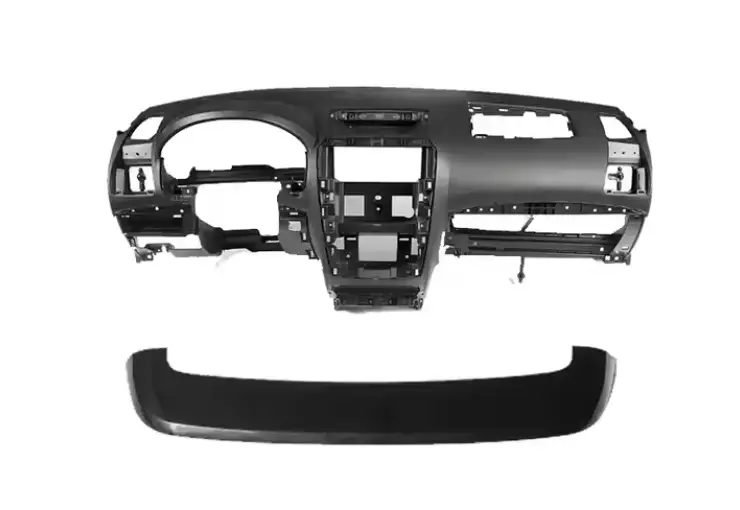
- Instrument panels
- Interior trims
Consumer Products
- Eyeglass lenses
- Transparent housings
- Protective covers
Medical Device Plastics
- Surgical equipment
- Diagnostic device enclosures
Electronics Enclosures
- Computer and smartphone housings
- LED covers
- Transparent plastic panels
Industrial Applications
- Protective shields
- Machinery covers
- High-strength connectors
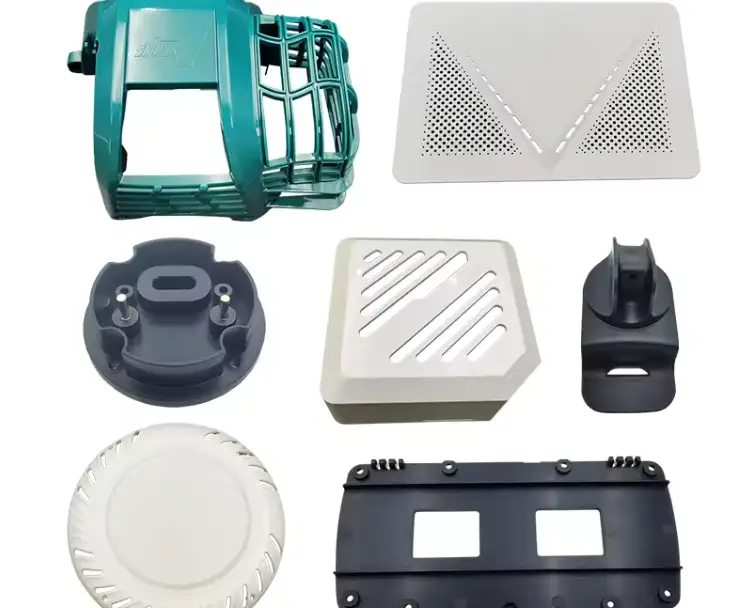
Cost Considerations and Efficiency
The cost of injection molding polycarbonate depends on:
- Mold material and injection mold design
- Machine size and cycle times
- Material usage (polycarbonate is a higher-cost material than commodity plastics)
- Post-processing and surface finish
Low cost per part can be achieved by:
- Using multi-cavity molds
- Optimizing cooling time and cycle times
- Applying mold flow analysis during design
- Using hot runner systems
Advantages and Disadvantages of Polycarbonate Injection Molding
Advantages
- High impact resistance and durability
- Optically clear and heat-resistant
- Supports custom plastic parts
- Precision molding for high-performance applications
Disadvantages
- Sensitive to moisture content
- Requires high-temperature molding
- Higher material cost than ABS or PS
- Sensitive to UV degradation unless treated
Optimizing Polycarbonate Injection Molding
- Mold flow analysis ensures proper polycarbonate into the mold
- Process parameters like melt temperature, injection speed, and injection pressure must be monitored throughout
- Temperature control in the mold reduces stress and improves mechanical properties
- Use mold release agents to protect surface finish quality
- Consider low-volume production or rapid prototyping before scaling
Future Trends in Polycarbonate Molding
- Sustainable polycarbonate resin and recycling
- Automated injection molding machines
- 3D printed molds for rapid prototyping
- Integration of optical-grade polycarbonate molding for electronics and medical devices
- Smart process control for optimized cycle times and consistent quality
Conclusion
Polycarbonate injection molding is a critical plastic fabrication technique for creating high-quality, durable, and optically clear plastic parts. From custom polycarbonate prototypes to industrial-grade automotive plastic components, this thermoplastic molding process provides mechanical performance, impact resistance, and dimensional stability unmatched by other plastics.
By understanding mold design, process parameters, temperature control, and machine settings, manufacturers can achieve a low cost per part, minimize defects, and produce precision molded polycarbonate parts suitable for consumer products, medical devices, electronics enclosures, and high-performance applications.
Polycarbonate plastic molding remains essential for industries demanding durable, transparent, and heat-resistant components, delivering the best results for complex designs and high-volume production.