

Plastic worm molds (often called worm molds, soft plastic worm molds, or injection worm molds) are the backbone of the modern soft plastic lure industry. Whether you’re a lure brand, a plastic bait manufacturer, a weekend DIY maker, or a tackle shop looking to create your own custom worms, high-quality mould tooling determines the final performance of your soft plastic bait.
From CNC-machined aluminum molds, silicone worm molds, and open pour molds to fully automated soft plastic injection machines, worm moulding technology has evolved rapidly. Today’s anglers and lure makers have access to precision lure molds, advanced bait-making equipment, and a full range of bait mold accessories that make soft bait production easier and more professional than ever.
This complete guide covers every element of soft plastic lure making—from mould types, plastisol behaviour, injection parameters, lure design, production workflow, customisation options, and choosing the best fishing molds for your worm-making needs.
What Are Plastic Worm Molds?
Plastic worm molds are specialised lure molds engineered to shape liquid plastic (usually plastisol) into finished soft baits. When heated, plastisol turns into liquid plastic, which flows into a worm mold cavity. After cooling, it forms a fully shaped soft plastic fishing lure.
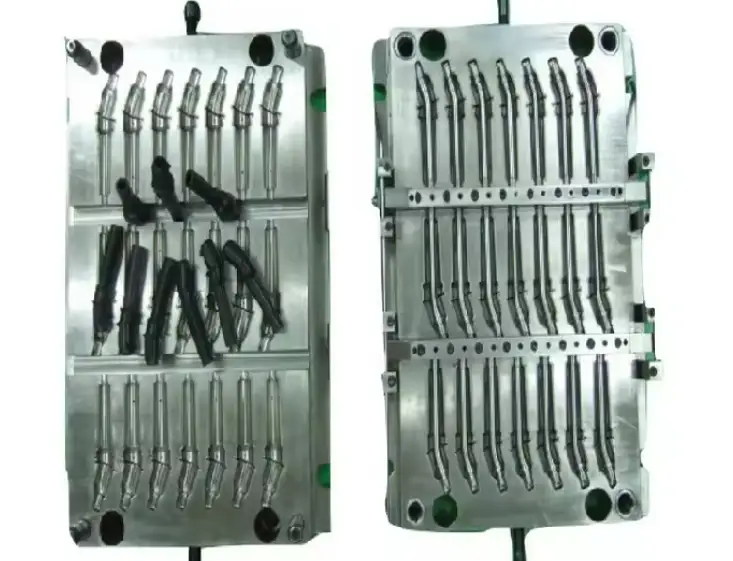
A typical plastic worm mold includes:
- A worm-shaped cavity
- A sprue or injection gate
- Venting channels
- Alignment pins
- A clamping structure for hand injection, open pour, or machine injection
These moulds let users make their own soft plastic baits, manufacture professional fishing lures, and create signature worm lure mold designs.
Why Plastic Worm Molds Matter in the Soft Plastic Bait Industry
Consistency in Every Worm
Whether using a soft lure injection mold, hand pour worm mold, or steel injection molds, quality tooling ensures every bait maintains:
- Identical dimensions
- Smooth ribs and segments
- Clean tail geometry
- Balance and symmetry
Consistency is critical for commercial fishing lure production.
Performance and Action
Worm action depends on:
- Tail design
- Body taper
- Rib spacing
- Plastisol softness
Great detail worm molds—including ribbed worm molds and finesse worm molds—produce better underwater action and higher strike rates.
Scalability for Bait Manufacturers
From single-cavity lure molds for hobbyists to multi-cavity worm molds for bulk production, mould selection determines output capacity.
Customisation for Bait Brands
Custom plastic worm molds, worm mold blanks, and custom lure fabrication allow brands to create unique soft bait shapes unavailable elsewhere.
Types of Worm Moulds Used in Soft Plastic Lure Making
A) Aluminium Worm Moulds
The industry standard for professional lure production.
Benefits:
- Long lifespan
- Excellent thermal conductivity
- Ideal for soft plastic injection
- Crisp detail for high-quality baits
- Perfect for multi-cavity worm molds
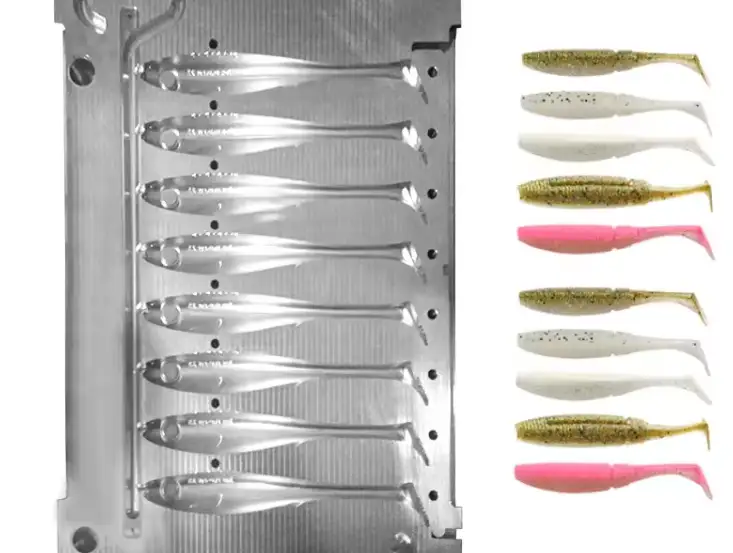
Many companies supply CNC aluminum worm molds with extreme precision.
B) CNC Machined Aluminium Soft Plastic Molds
Premium-grade moulds used by professional lure mold suppliers.
Advantages:
- Razor-sharp detail
- Mirror cavity finish
- Advanced geometry for tails, ribs, and hollow bodies
- Highly repeatable production
- Supports plastisol lure injection at high temperatures
These molds are commonly used for swimbait and plastic worm molds, high-end custom lures, and brand-exclusive profiles.
C) Silicone Worm Moulds
Flexible, low-cost moulds ideal for beginners.
Benefits:
- Easy demoulding
- Great for testing new soft worm patterns
- Fast to produce
- Suitable for open pour bait making
Limitations:
- Lower durability
- Inconsistent fine detail
- Sensitive to heat
Silicone is widely used for making molds from existing worm masters.
D) Resin and 3D Printed Lure Moulds
Great for mold making, prototyping, and experimental design.
Advantages:
- Fast design changes
- Perfect for custom R&D
- Supports complex shapes like hollow body worm molds
Used by designers before investing in aluminium tooling.
E) Steel Injection Moulds
Used in industrial, high-volume worm lure manufacturing.
Benefits:
- Extreme durability
- Perfect for automated injection systems
- Ideal for mass production of soft plastic baits
Drawbacks: High cost and long lead time.
Plastisol: The Material Behind Soft Plastic Worms
Nearly all soft plastic lures use plastisol, a type of liquid plastic.
Key characteristics:
- Heats to 150–180°C
- Turns from liquid to solid on cooling
- Mixes easily with colour, glitter, and salt
- Can be customised for softness, durability, and buoyancy
Types of plastisol for worm molding:
- Soft plastisol → flexible finesse worms
- Medium plastisol → general-purpose worms
- Firm plastisol → ribbed worms needing shape retention
Commercial producers often use plastisol worm molds optimised for consistent flow and detail.
Production Processes for Soft Plastic Worm Molding
1. Open Pouring
Using open pour molds, ideal for hand-crafted colours and laminates.
Advantages:
- Natural colour blends
- Perfect for custom laminates
- Great for worm bait making
2. Hand Injection Using a Manual Injector
A popular method using a metal injector to push plastisol into a bait mold.
Benefits:
- Faster and more precise
- Compatible with aluminum soft plastic molds
- Good for multi-cavity production
This is the most accessible approach for soft plastic bait making.
3. Machine Injection for Mass Production
Commercial factories rely on soft plastic injection machines with:
- Temperature control
- Pressure regulation
- Automated cycles
- Cooling conveyors
Machine injection produces consistent soft plastic lures at scale.
6. Design Features of High-Quality Plastic Worm Molds
A) Tail Geometry
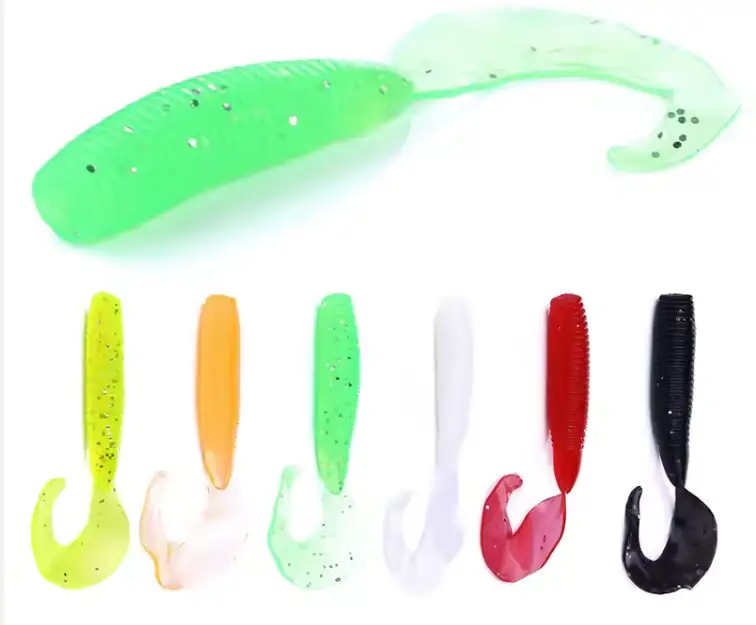
Different tail shapes—ribbon, curly, paddle, needle—affect lure movement.
B) Body Ribbing
Ribbing improves underwater motion and helps disperse scent.
C) Venting & Flow Channels
Essential for thin worm tails and consistent filling.
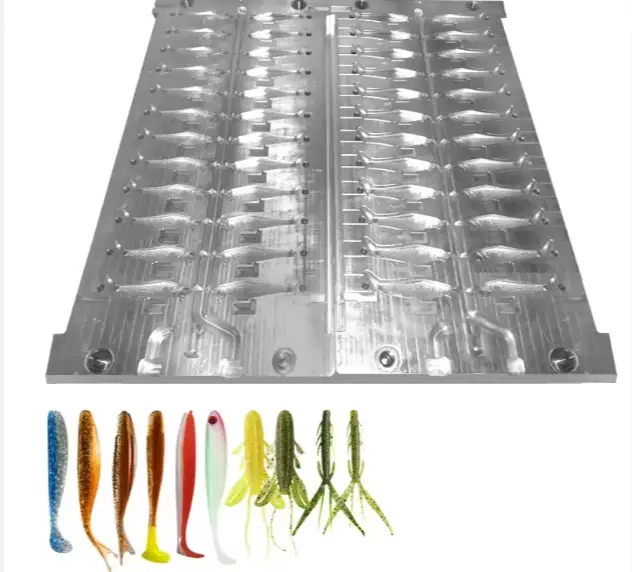
D) Multi-Cavity Layout
Allows rapid production of uniform baits.
E) Detailed Surface Texturing
High detail moulds deliver lifelike patterns and scale texture.
Problems in Worm Molding and How to Fix Them
Short shots
Cause: Low injection pressure
Fix: Increase pressure or improve venting
Air pockets
Cause: Poor venting
Fix: Add micro-vents
Warping
Cause: Uneven cooling
Fix: Keep worms in the mold longer
Bubbles in plastisol
Cause: Overmixing
Fix: Gentle stirring, proper degassing
Applications of Plastic Worm Molds
Worm molds support:
- Bass fishing lures
- Saltwater worm baits
- Soft plastic fishing lure production
- OEM bait manufacturing
- Prototypes and custom designs
Used by:
- Custom lure fabricators
- Tackle shops
- Plastic lure maker suppliers
- Small-batch hobbyists
- Large commercial factories
How to Choose the Right Worm Mold
Material
- Aluminium → best for durability
- Silicone → best for DIY
- Steel → industrial production
Cavity Count
- Single → testing & prototypes
- Multi-cavity → professional lure making
Production Method
Choose based on whether you will:
- open pour
- hand inject
- machine inject
Design Quality
Look for:
- smooth cavity finish
- correct rib spacing
- sharp detail
- balanced body design
Custom Plastic Worm Molds and OEM Lure Production
Many brands invest in custom worm molds for:
- unique worm profiles
- signature shapes
- branded patterns
- competitive advantage
Options include:
- worm mold kits
- worm mold blanks
- fully engineered custom fishing lure molds
OEM lure factories often use CNC aluminum molds for precision and repeatability.
Cost of Lure Moulds
- Silicone molds → $5–50
- Standard aluminum molds → $40–200
- High-detail CNC aluminium → $150–600
- Steel industrial molds → $3,000–20,000+
Costs depend on complexity, cavity count, and production technology.
Future Trends in Plastic Worm Molds Manufacturing
Eco-friendly plastisols
Biodegradable, non-toxic soft plastics.
High-detail micro-engraving
More realism in ribs, faces, and tail texture.
Soft lure injection automation
Robotics for demoulding and trimming.
3D-printed mold inserts
Quick design iteration at low cost.
Hybrid moulding (hard bait vs soft bait molds)
Dual-use moulds for mixed lure products.
Conclusion
Plastic worm molds are essential tools for soft plastic fishing, whether you’re a hobbyist pouring your first worm or a large-scale producer manufacturing thousands of soft baits daily. With innovations in CNC machining, soft plastic injection, and modern plastisol formulations, the world of lure-making molds is more advanced and accessible than ever.
From hand-poured worm molds to professional lure mold suppliers offering multi-cavity CNC aluminium tooling, today’s lure makers can create custom, high-performing worms with unmatched detail.
Whether you’re crafting finesse worms, hollow body worms, ribbed designs, or swimbait hybrids, the right worm mold, injector system, and plastisol quality will determine your success.