

Plastic mould making plays a central role in today’s global manufacturing landscape. As industries demand faster production, tighter tolerances, and more durable components, the need for accurate, reliable, and high-performance plastic injection molds continues to grow.
From medical devices and automotive components to consumer electronics and industrial equipment, modern plastic mould making integrates advanced engineering, precision tooling, and automated technologies to produce millions of plastic parts with exceptional consistency.
This comprehensive guide explores the plastic mould making process, the injection molding process, key tooling technologies, material selection, advanced engineering principles, and quality control requirements. Whether you are evaluating mould suppliers, planning a tooling project, or seeking a deeper understanding of industrial mould engineering, this article covers every essential detail.
Understanding Plastic Mould Making
Plastic mould making refers to the end-to-end engineering, design, and manufacturing of plastic injection molds, the reusable tools that shape molten plastic, plastic resin, or other plastic materials into precise final components. These molds are used across plastic injection molding, compression molding, rotational molding, extrusion molding, blow molding, overmolding, insert molding, and other molding processes.
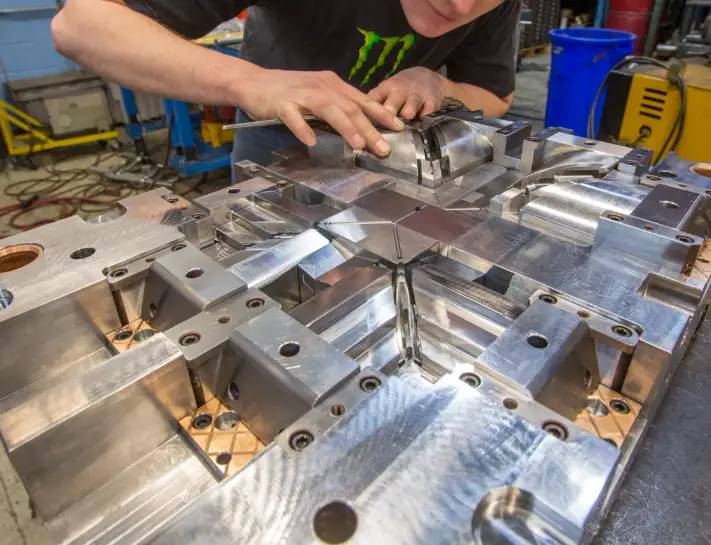
A high-quality plastic mold ensures:
- Narrow dimensional tolerances
- Uniform wall thickness
- Controlled shrinkage
- Efficient cooling
- Accurate mold cavities
- Long tool life
- Optimised cycle times
Professional mold makers rely on mould flow analysis, CNC machining for molds, high-precision molding tools, and advanced mould technology to create molds that withstand long-term, high-pressure production.
The Role of Injection Molding in Plastic Mould Making
The injection molding process is the world’s most widely used method for manufacturing plastic parts. It relies heavily on precise, durable molds made from aluminum molds, pre-hardened steel molds, hardened steel molds, and other durable mold materials.
How Injection Molding Works
- Plastic resin or plastic resins are fed into a molding machine.
- Heat and pressure melt the material into melted plastic or heated plastic material.
- The molten plastic flows through a gate and runner system into the mold cavity.
- The mold is kept under pressure until the plastic part forms the desired shape.
- Cooling channels provide fast heat removal, solidifying the part.
- The mould halves open, ejecting the final product.
- Any excess material is trimmed or recycled.
During the heating process, engineers carefully monitor shot nozzle temperature, injection pressure, and pattern injection speeds to avoid defects such as too much shear heat, shear heat burning, or thin layer formation exceeding normal tolerances.
Types of Plastic Injection Molds
1. Aluminum Molds
Lightweight, cost-effective, fast to machine, ideal for prototype mold development and short runs.
2. Pre-Hardened Steel Molds
Stronger than aluminium, allowing longer production life, suitable for medium-volume manufacturing.
3. Hardened Steel Molds
Premium moulds offering maximum durability, high-cavitation performance, and the longest tool life, commonly used in high-volume industrial production.
4. Multiple Cavity & Multi-Cavity Injection Molds
Used for high-speed production of multiple identical parts.
5. Hot Runner System Molds
Reduce waste and cycle time by keeping melted plastic directly heated in the manifold.
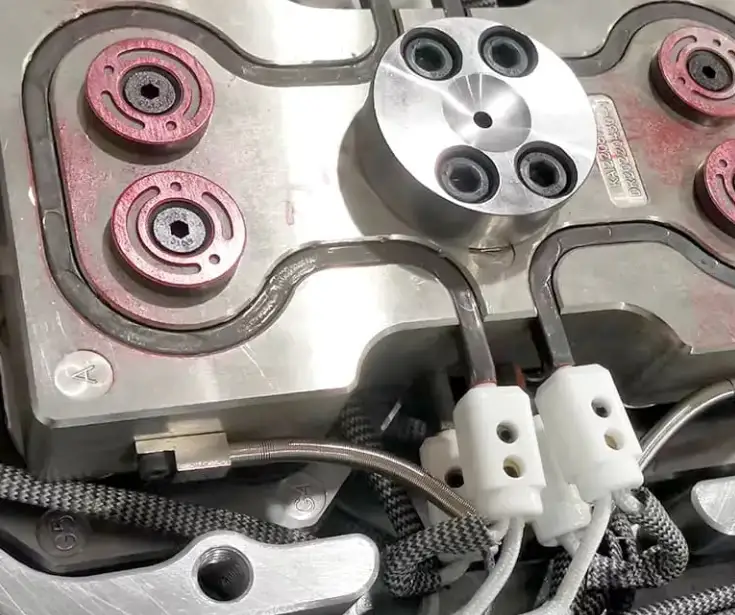
6. Cold Runner Mold Systems
More economical and simpler to maintain, it relies on cooled runners that produce excess material.
7. Insert & Overmolding Tooling
Used for combining different materials or inserting metal components into plastic products.
Mold Design: The Foundation of Precise Plastic Parts
Professional mold design is fundamental to producing precise plastic parts and ensuring efficient manufacturing.
Key considerations include:
- Uniform wall thickness to avoid warpage
- Strategic gate and runner design
- High-efficiency cooling channel engineering
- Mould design optimisation
- DFM (Design for Manufacturability)
- Mould temperature control
- Hot/cold runner integration
- Custom cavity layout
- Surface finish standards
- Mold structure design
- Mold cost estimation
Modern tooling companies use 3D mould design, CAD/CAM mould development, and mould flow analysis to predict the behaviour of liquid resin and heated plastic material inside the cavity.
The Plastic Mould Making Process
Step 1: Concept & Product Design
Every tooling project begins with plastic product development, where engineers define the geometry, wall thickness, tolerances, and application requirements.
Step 2: Material Selection
Choosing the right plastic resin, thermoplastic, or engineering-grade plastic determines part strength, heat resistance, and manufacturability.
Step 3: Injection Mold Design
Engineers create a full design, including:
- Mold cavity
- Core/insert layout
- Cooling channels
- Mould structure
- Gate and runner system
- Mould tolerance control
- Ejection mechanism
- Mould temperature control
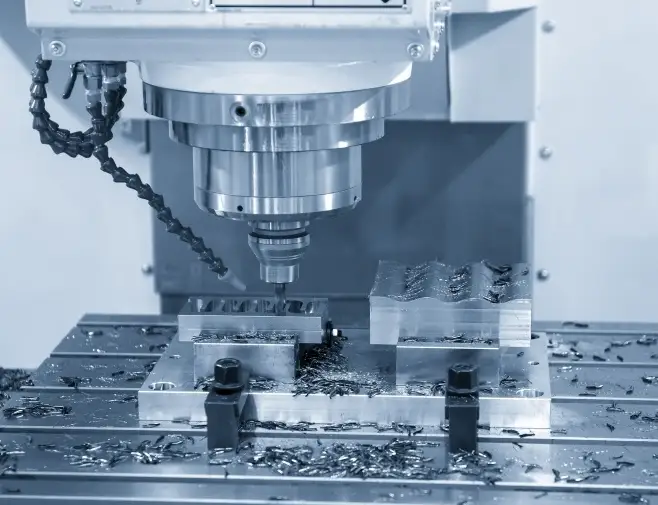
Step 4: CNC Machining for Molds
Tool steel or aluminium is machined using:
- CNC milling
- Wire EDM
- EDM sinking
- High-speed machining
- Automated mold production
Step 5: Heat Treatment & Hardening
Molds undergo heat-treated processes to increase durability and resistance to high injection pressure.
Step 6: Mould Polishing Process
High-precision polishing ensures excellent surface finish and long-term mould performance.
Step 7: Assembly & Bench Fitting
Mold components are fitted, aligned, and tested for accurate operation.
Step 8: Mold Trial (T1, T2, T3)
Prototype parts are produced to validate:
- Dimensional accuracy
- Cooling performance
- Surface finish
- Cycle time
- Injection stability
Step 9: Mold Maintenance & Repair
Regular mold maintenance services and mould repair and refurbishment keep tools running optimally across long production cycles.
Manufacturing Processes Related to Mould Making
Although injection molding dominates the industry, other processes also rely on high-quality tooling:
Blow Molding
Used for large hollow containers and bottles.
Compression Molding
Ideal for thermoset plastics and large parts.
Rotational Molding
Creates large, seamless, hollow plastic parts.
Extrusion Molding
Perfect for long profiles, tubes, and pipes.
Silicone Molds
Used for flexible, low-volume, or specialty moulding tasks.
Each process requires customised mold cavity engineering and unique tooling configurations.
Advanced Technologies in Plastic Mould Making
Modern mould manufacturing integrates a range of advanced technologies:
Advanced Mould Technology
Includes:
- High-cavitation molds
- Cooling channel engineering
- High-precision molding tools
- Automated mold production
- Conformal cooling
- Optimised mould performance
Rapid Tooling for Plastics
Accelerates production for prototypes and early-stage testing.
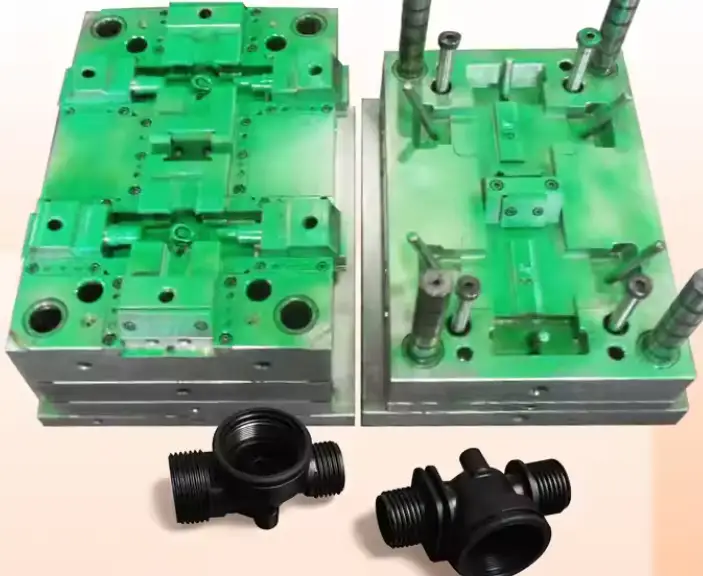
Injection Tooling Solutions
Supports small-batch, medium-volume, or mass production environments.
Multi-Cavity Injection Molds
Used for industries requiring millions of parts per year.
Industrial Applications of Plastic Mould Making
Plastic moulds are essential for producing parts across:
- Automotive
- Electronics
- Consumer goods
- Packaging
- Medical devices
- Industrial equipment
- Aerospace components
- Household products
Manufacturers depend on accurate molds, complex mold structures, and precise plastic parts to deliver consistent, high-quality plastic injection molds at scale.
Quality Control & Tool Life Management
A professionally built mold must pass strict quality inspections:
Mold quality inspection
Resin selection verification
Gate/runner optimisation
Dimensional accuracy checks
Mould durability testing
Surface finish measurement
To maintain long-term performance, companies perform routine preventive maintenance, such as:
- Cleaning mould cavities
- Restoring parting lines
- Repairing worn components
- Replacing ejector pins
- Adjusting cooling systems
The mold remains effective over thousands or even millions of cycles when properly maintained.
Choosing a Plastic Mould Making Company
When selecting a mould supplier, manufacturers should evaluate:
Engineering Expertise
– Ability to design complex moulds
– DFM support
– Strong technical communication
Tooling Capabilities
– CNC machining capacity
– High-precision EDM
– Multi-cavity tooling
– Insert/overmolding experience
– Full mould maintenance services
Quality Standards
– Strict tolerance control
– Use of high-quality tool steels
– Process consistency
Production Support
– Mold trial services
– Pilot runs
– Long-term production mould design
– Global shipping and after-sales support
Reliable companies offer full tooling project management, from concept through to full-scale injection molding production.
Conclusion
Plastic mould making is a highly sophisticated, engineering-driven discipline that underpins every modern plastic product. With the integration of advanced technologies—such as mould flow analysis, CNC machining for molds, multi-cavity injection molds, and automated production—manufacturers can achieve exceptional accuracy, narrow dimensional tolerances, and efficient cycle times across all plastic injection molding processes.
Whether producing simple plastic components or complex engineered parts, the success of any injection molding project relies on precision mold design, durable tool construction, and strict quality inspection.
As industries continue to demand faster cycles, tougher materials, and greater design flexibility, plastic mould making will remain a critical driver of innovation across global manufacturing.