
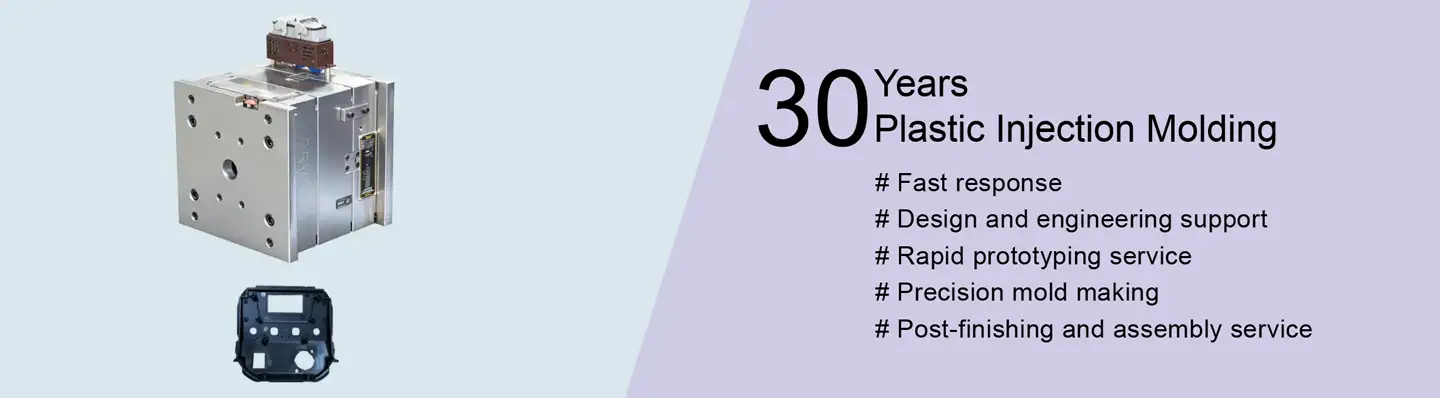
Injection engineering is a specialized discipline within plastic injection molding focused on designing, developing, and optimizing injection molds and thermoplastic components.
Through a combination of materials science, mold engineering, and process optimization, injection engineers ensure high-precision injection molding, enhanced performance, and consistent quality across many industries, including automotive, aerospace, medical devices, electronics, and consumer products.
This guide explores all aspects of injection engineering, including plastic part engineering, mold design, tooling, prototyping, injection process optimization, advanced materials, high-volume production, and quality control—providing a comprehensive reference for OEMs, engineers, and manufacturers seeking reliable plastic manufacturing solutions.
What Is Injection Engineering?
Injection engineering is the application of engineering principles to the injection molding process. It focuses on optimizing the production of plastic parts by integrating mold design, material selection, process control, and performance testing.
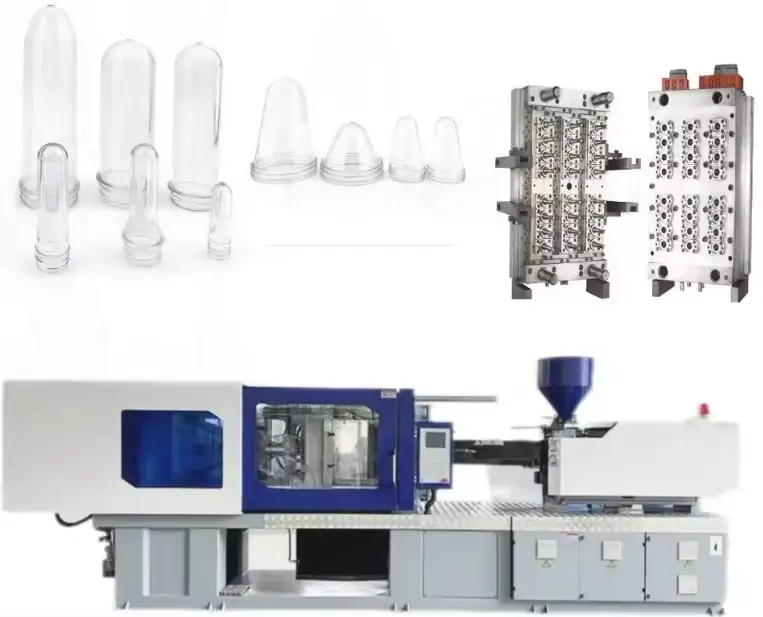
The goal is to create precision plastic components with high structural integrity, surface quality, and dimensional accuracy, while ensuring timely production and cost-effective solutions.
Injection engineering includes:
- Plastic part engineering and thermoplastic engineering
- Mold flow analysis and injection molding simulation
- Custom mold design and tooling design for injection
- High-precision injection molding and high-temperature plastic molding
- Overmolding and insert molding engineering
- Mold maintenance engineering, and defect reduction
- ISO-certified injection engineering standards
By combining design, engineering, and manufacturing expertise, injection engineers ensure plastic parts meet the exact specifications and performance requirements of industrial and consumer applications.
Role of an Injection Engineer
Injection engineers work closely with designers, mold makers, and production teams to optimize plastic manufacturing processes. Their responsibilities include:
- Material Selection for Injection: Choosing engineering plastics, thermoplastics, or high-performance resins for resistance, strength, lightweight properties, and chemical stability.
- Injection Process Optimization: Controlling injection pressure, filling, packing, cooling, and ejection to minimize sink marks, warpage, and shrinkage.
- Mold Engineering: Developing custom mold designs, multi-cavity mold engineering, mold venting, gate and runner design, and mold surface finishing for consistent production quality.
- Plastic Part Prototyping: Producing sample parts and prototypes to test fit, function, and material behavior.
- Quality Control: Ensuring molded part performance, meeting tolerances, dimensional stability, and ISO-certified standards.
- Troubleshooting: Solving defects, deformation, blocked gates, or incomplete filling, and implementing process modifications.
Injection engineers combine scientific molding principles with practical manufacturing knowledge to produce structural plastic components with enhanced performance.
Materials in Injection Engineering
The selection of materials is critical in plastic part engineering. Engineers consider mechanical properties, thermal resistance, chemical reaction resistance, electrical properties, and cost-efficiency.
Common Materials
- Acrylonitrile Butadiene Styrene (ABS): Durable, impact-resistant, used for consumer products, electronics, and automotive parts.
- Polypropylene (PP): Flexible, chemical-resistant, ideal for packaging and automotive components.
- Nylon (PA): Strong and wear-resistant, suitable for industrial plastic components.
- Polycarbonate (PC): High strength, transparent, used in electronic housings and automotive parts.
- Engineering Plastics: PEEK, Ultem, and PPS for high-temperature plastic molding, aerospace, and medical devices.
- Thermoplastic Polyolefin (TPO): Low-cost, flexible, lightweight engineering plastic.
- Medical-Grade Plastics: Biocompatible polymers for medical devices and implantable components.
Injection engineers also optimize the use of reinforced plastics, including glass-filled and carbon-fiber reinforced materials, for structural plastic components with enhanced performance.
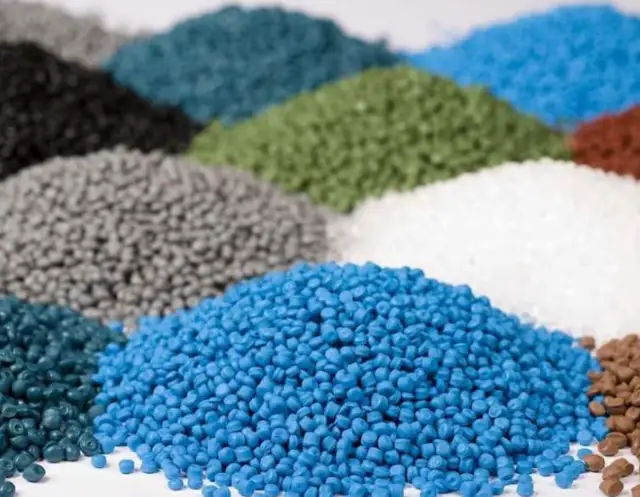
Injection Molding Process in Injection Engineering
The injection molding process transforms raw plastic material into precision-molded parts. It is a complex process requiring control of temperature, pressure, flow, and cooling.
Key Stages
- Material Preparation: Drying and conditioning plastic resins to prevent defects caused by moisture or chemical reactions.
- Plasticization: Melting the thermoplastic resin within injection molding machines to achieve proper filling and flow.
- Injection: Molten plastic is injected into precision molds under controlled pressure and speed, ensuring complete filling of cavities and layers.
- Cooling and Solidification: Controlled cooling and mold surface design prevent sink marks, warpage, and deformation.
- Ejection: Ejector pins remove parts from the mold without blocking, damaging, or deforming components.
- Post-Processing: Includes overmolding, insert molding, surface finishing, assembly, or secondary operations.
Injection engineers continuously track and control all processes, ensuring timely production and quality outcomes.
Mold Design and Tooling in Injection Engineering
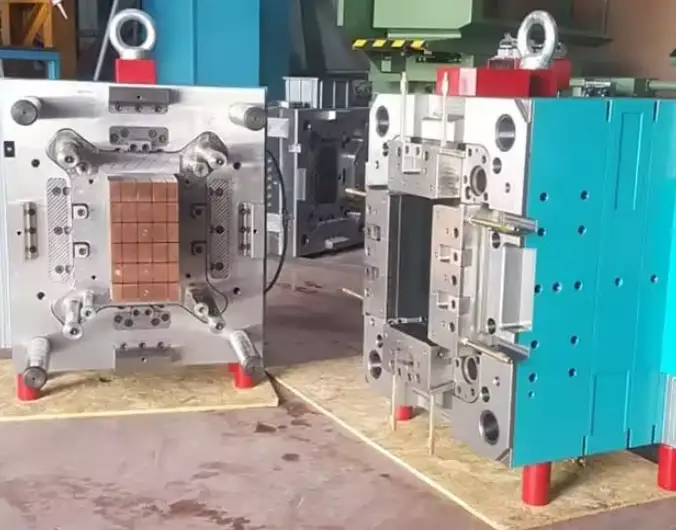
Mold engineering is a central aspect of injection engineering. Proper custom mold design and tooling ensure repeatable, high-quality parts.
Considerations in Mold Design
- Multi-cavity mold engineering for high-volume production
- Gate and runner design to optimize flow and filling
- Mold cooling design for rapid and uniform solidification
- Mold venting engineering to reduce trapped air and blocked cavities
- Advanced mold materials for high-temperature and high-performance thermoplastics
- Precision tooling to maintain tight tolerances and surface quality
Injection engineers utilize CNC machining and mold flow analysis to simulate plastic filling, packing, and cooling, reducing defects and production risks.
Plastic Part Prototyping and Development
Plastic part prototyping allows engineers to test designs, materials, and tolerances before full-scale production. Techniques include:
- Prototype injection molding for functional and dimensional validation
- Sample parts production for customer approval and testing
- Plastic part prototyping services with rapid tooling or low-volume molds
Prototyping supports design modifications, development of specifications, and performance testing, ensuring molded part performance aligns with customer requirements.
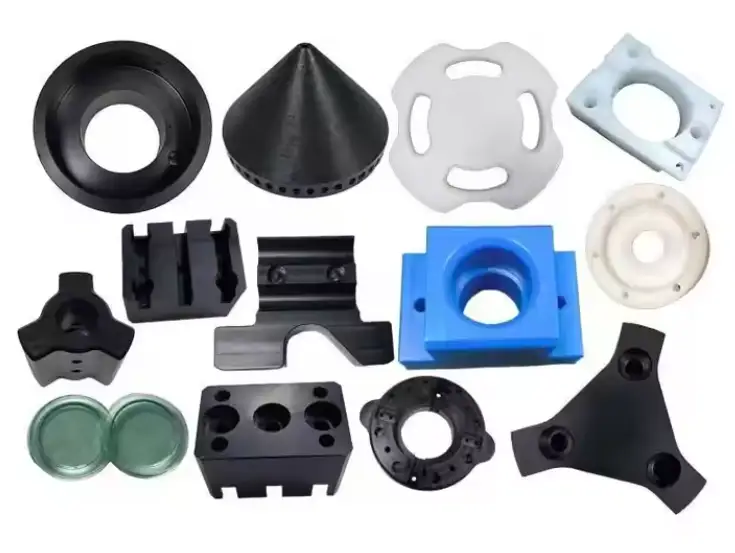
High-Volume vs Low-Volume Injection Engineering
Injection engineers address different production scales:
High-Volume Production
- Uses high-volume production molds and automated injection systems
- Focus on efficiency, consistency, and quality
- Applied in cars, electronics, and consumer goods
Low-Volume Injection Engineering
- Focuses on custom mold design and prototype development
- Enables testing of materials, dimensions, and tolerances
- Reduces initial tooling costs and supports flexible production
Advanced Injection Engineering Techniques
- Overmolding Engineering: Combining materials or colors in a single part
- Insert Molding Engineering: Embedding metal or other components
- High-Temperature Plastic Molding: For engineering plastics like PEEK or Ultem
- Automated Injection Systems: Reduce human error, improve repeatability
- Mold Maintenance Engineering: Ensures tool longevity and part consistency
- Defect Reduction in Molding: Minimizing sink marks, voids, warpage, and shrinkage
These advanced techniques enable precision molding, structural plastic components, and high-performance parts.
Industrial Applications of Injection Engineering
Injection engineering supports many industries, including:
- Automotive: Plastic components for cars, dashboards, connectors, and housings
- Aerospace: High-performance structural plastic components, brackets, and insulation
- Medical Devices: Housings, implants, surgical instruments, and high-precision plastic parts
- Consumer Products: Packaging, electronics, household appliances
- Industrial Equipment: Mechanical assemblies, electrical components, plastic part assemblies
Injection engineers ensure materials, design, and processes meet performance and quality standards for each application.
Quality Control in Injection Engineering
Quality is critical in plastic part engineering. Measures include:
- Injection molding tolerances and dimensional verification
- Surface inspection for smooth, defect-free finishes
- Mold flow analysis validation for filling, packing, and cooling
- ISO-certified injection engineering standards
- Process control systems for repeatable, high-precision production
Strict quality control ensures molded part performance, durability, and customer satisfaction.
Cost Considerations in Injection Engineering
Key cost factors include:
- Material selection: Engineering plastics vs commodity plastics
- Mold complexity: Multi-cavity molds, mold materials, and CNC machining
- Production volume: High volume reduces unit costs, and low volume reduces initial investment
- Post-processing and assembly: Overmolding, insert molding, finishing
- Automation and tooling: Reduce labor costs and improve efficiency
Injection engineers balance performance, cost, and project timelines to deliver timely solutions.
Emerging Trends in Injection Engineering
- Lightweight plastic engineering for automotive and aerospace
- Sustainable materials and chemical resistance
- Injection molding simulation and mold flow analysis
- Automated injection systems and real-time process monitoring
- Advanced mold materials for high-temperature applications
- Prototype injection molding for faster development cycles
These trends enhance part performance, reduce defects, and optimize production for industrial plastic design.
Choosing an Injection Engineering Partner
When selecting a partner, consider:
- Experience in injection molding design, mold engineering, and thermoplastic engineering
- Capabilities in high- and low-volume production
- Tooling and CNC machining expertise
- Process optimization, scientific molding, and defect reduction
- Plastic part prototyping and custom mold design
- ISO-certified injection engineering standards
A reliable partner ensures enhanced performance, defect-free molded parts, timely delivery, and cost-effective solutions.
Conclusion
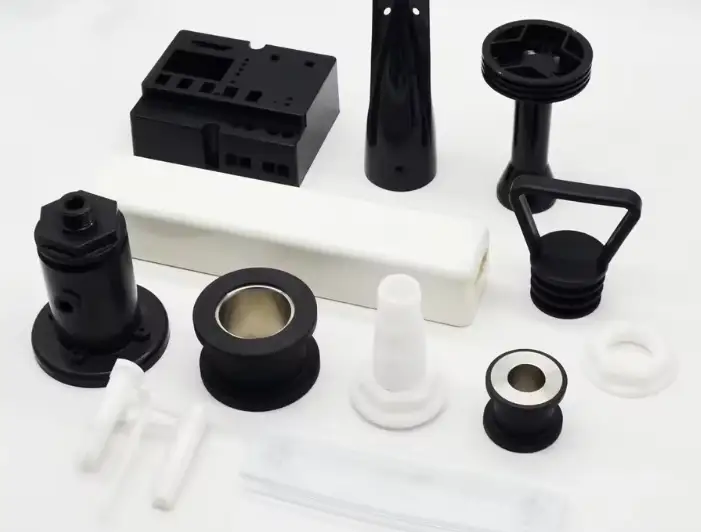
Injection engineering integrates plastic injection molding, mold engineering, material selection, process optimization, and quality control to produce high-performance structural plastic components.
By leveraging advanced tooling, CNC machining, thermoplastic engineering, overmolding and insert molding, mold flow analysis, and precision production, engineers deliver defect-free, high-quality plastic parts across many industries.
From prototype injection molding to high-volume production molds, injection engineering ensures performance, surface quality, and dimensional accuracy, helping OEMs and manufacturers achieve timely, cost-effective, and reliable plastic solutions.