
High temp plastics—often called high temp plastic, high-heat plastic, or heat-resistant plastic—play a crucial role in industries where materials must withstand continuous heat, chemical exposure, mechanical stress, or extreme environmental conditions.
These high-performance plastics show exceptional thermal resistance, dimensional stability, chemical resistance, and mechanical strength, making them indispensable in automotive, aerospace, electronics, medical devices, and industrial equipment.
Unlike standard plastics, which lose strength or deform at elevated temperatures, high-temperature plastics maintain their performance at continuous service temperatures ranging from 150°C to over 300°C, depending on the polymer. Their unique ability to withstand high temperatures, resist creep, and deliver reliable electrical insulation makes them ideal for demanding high-temperature applications.
This article explores the world of high-temperature materials, compares top engineering resins like PEEK, PTFE, PEI, Vespel, Torlon, and outlines how to choose the right heat-resistant materials for your parts, components, and manufacturing needs.
What Are High-Temperature Plastics?
High temp plastics are a class of engineering plastics and high-performance thermoplastics designed to operate in continuous temperatures that exceed the capabilities of standard polymers. These materials deliver excellent mechanical properties, heat resistance, wear resistance, and chemical stability even in harsh environments.
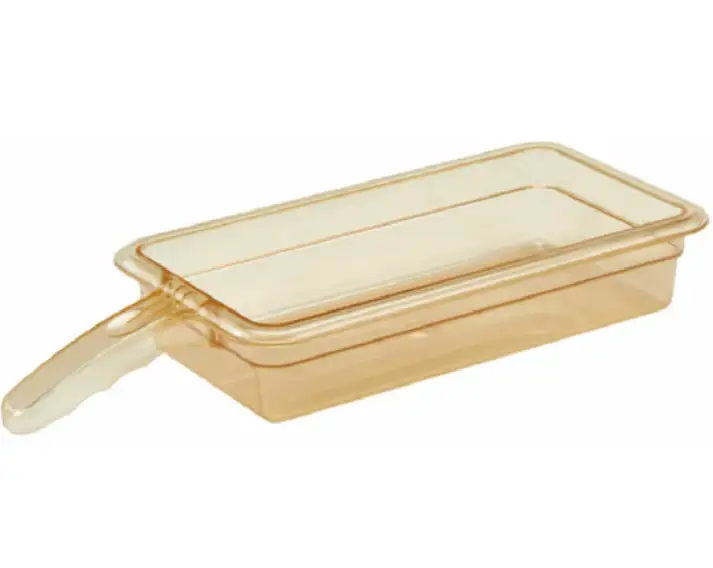
Typical characteristics include:
- High heat resistance (many exceed 260°C continuous operation)
- High melting point / high melting temperatures
- Dimensional stability under heat
- Low creep and deformation
- Outstanding chemical resistance
- Good electrical insulation properties
- Low coefficient of friction (especially PTFE-based materials)
- Excellent thermal resistance
- Ability to withstand extreme heat, extreme temperatures, and harsh chemicals
In industrial environments where metals may corrode or where weight reduction is essential,high-temperature materials offer a superior combination of performance and reliability.
Why High Temp Plastics Are Important in Modern Engineering
Continuous Service Temperature
The ability to maintain function at a high operating temperature or continuous service temperature is critical. Many high-temp polymers can function continuously at 200–300°C, and some thermosets and polyimides exceed 350°C.
Mechanical Strength at High Heat
Unlike standard plastics that soften quickly under heat, high heat polymers retain:
- High tensile strength
- Stiffness
- Impact resistance
- Wear resistance
This makes them ideal for heat-resistant parts and high heat components in engines, turbines, medical sterilization environments, and industrial machinery.
Dimensional Stability
Dimensional stability is crucial for tight-tolerance parts, electrical components, and precision assemblies. High-performance plastics show minimal expansion when exposed to high temperatures, making them reliable for precision engineering.
Chemical Resistance and Electrical Insulation
Polymers like PTFE, PEEK, and Vespel offer strong resistance to corrosive chemicals, solvents, and fuels. Many of these materials also deliver:
- Highest dielectric strength
- Excellent electrical insulation
- Resistance to arc-tracking and thermal degradation
This explains their widespread use in circuit boards, connectors, and electrical insulation molded parts.

Top 5 Heat-Resistant Plastics (High-Temperature Polymers)
Below are the most commonly used high heat plastics, widely recognized for their performance, mechanical strength, and ability to withstand extreme temperatures.
PEEK (Polyetheretherketone) — A High-Performance Thermoplastic
PEEK is one of the world’s most elite high-temperature plastics, commonly used for:
- Aerospace parts
- Automotive under-hood components
- Medical devices (sterilization-resistant)
- Industrial machinery
- Oil & gas applications
Service Temperature: 250–300°C
Key Advantages:
- High heat resistance
- Excellent mechanical properties
- Strong chemical resistance
- Dimensional stability
- Wear and friction resistance
- Suitable for high temp molding and high heat molding
Because polyetheretherketone is highly heat-resistant, it is often selected for parts that must operate under extreme heat and high stress.
PTFE (Polytetrafluoroethylene) / Teflon
As one of the most chemical-resistant and heat-tolerant plastics, PTFE offers:
- Low friction
- Chemically inert stability
- High melting point (327°C)
- Excellent dielectric strength
Service Temperature: Up to 260°C continuous
PTFE is frequently used for:
- Electrical insulation
- Chemical processing parts
- Seals, gaskets, and industrial coating applications
- Extreme temperature plastic applications
Its low coefficient of friction makes it ideal for friction and wear performance at high temperatures.
PEI (Polyetherimide) / Ultem
PEI, often known by its trade name Ultem, is widely used in medical, aerospace, and electronic components.
Service Temperature: 170–200°C
Benefits:
- High strength
- Outstanding thermal resistance
- Good electrical insulation
- Dimensional stability
- Flame resistance
Ultem is an ideal material for high-temperature applications requiring flame resistance, stability, and mechanical performance.
Torlon (PAI – Polyamide-Imide)
Torlon is one of the highest-performing engineering plastics used in extreme conditions.
Service Temperature: Up to 275°C
Advantages:
- Exceptional mechanical strength
- High heat tolerance
- Wear and creep resistance
- Excellent chemical resistance
Torlon is used in aerospace bearings, high-temp industrial equipment, and precision mechanical parts.
Vespel (Polyimide)
Vespel is often the material of choice when no other polymer can survive.
Service Temperature: 300°C+
Applications:
- Aerospace
- High-heat industrial machines
- Vacuum environments
- Cryogenic to extreme heat transitions
Vespel offers excellent dimensional stability, creep resistance, and the ability to function in extreme temperature ranges.
High-Temperature Thermosets vs Thermoplastics
High-temperature polymers come in two main categories:
Thermoplastics
Examples: PEEK, PTFE, PEI, PAI, PI
Characteristics:
- Melt when heated
- Re-moldable
- Ideal for high temp plastics injection molding
- Excellent mechanical properties
Thermosets
Examples: epoxy, phenolic, polyimide
Characteristics:
- Heat-cured and permanently cross-linked
- Cannot melt once set
- Exceptional thermal stability
- Highly resistant to creep
- Ideal for extreme heat plastic applications
Thermosets are often chosen for:
- Electrical insulation
- Circuit boards
- High-heat molded parts requiring rigidity
- Industrial and aerospace components
High-temperature thermoset resins include:
- Epoxy
- Phenolic
- Melamine molding compounds
- High-temperature polymer composites
- Bulk Molding Compound (BMC)
- Sheet Molding Compound (SMC)
Thermosets excel in applications requiring rigidity, high dielectric strength, and heat-cured performance.
Key Properties of High-Temp Plastics
High-performance plastics are defined by several specialized properties.
Heat Resistance
Properties include:
- High melting points
- Heat deflection temperature far exceeding standard polymers
- Ability to withstand continuous temperatures without losing structural integrity
- Thermal stability for long-term exposure
Mechanical Properties
These plastics maintain:
- Tensile strength
- Flexural strength
- Stiffness
- Low creep
- Wear resistance
Even at high heat, their performance and reliability remain consistent.
Chemical Resistance
Many engineering polymers can withstand:
- Acids
- Bases
- Fuels
- Solvents
- Corrosive chemicals
This makes them essential for chemical processing, fuel systems, and industrial equipment.
Electrical Properties
Many high-temperature plastics offer:
- Excellent electrical insulation
- Highest dielectric strength (PI, PTFE)
- Arc-track resistance
- High-frequency signal stability
Ideal for:
- Circuit boards
- Electrical insulation molded parts
- Electronic components
Dimensional Stability
Dimensional stability is influenced by:
- Glass transition temperature
- Coefficient of thermal expansion
- Creep resistance
- Polymer chain structure
Materials like PEEK and PI maintain precise tolerances under heat and mechanical load.
High-Temp Plastics in Key Industries
Automotive
High temp plastics are used for:
- Under-hood parts
- Fuel system components
- Turbo and engine bay components
- Electrical connectors
- Sensors
- Thermal insulation parts
Their ability to withstand extreme heat makes them vital in modern engine design.
Aerospace
High-temp polymers like Vespel, PEEK, and Torlon are common in:
- Turbine components
- Thermal insulation
- Lightweight structural parts
- High-heat aerospace components
The combination of lightweight, chemical resistance, and extreme thermal resistance makes them superior to metals in certain applications.
Electronics
Used for:
- Circuit boards
- Electrical insulation
- High-dielectric components
- Coil forms
- Connectors
Their heat resistance allows them to withstand soldering temperatures and ongoing electrical stress.
Medical Devices
Materials like PEEK and PEI are used in:
- Sterilization-resistant components
- Surgical tools
- Implants
- Diagnostic equipment
Because many are chemically inert, biocompatible, and capable of surviving repeated autoclave cycles.
Industrial Equipment
Applications include:
- High-heat gears
- Pumps
- Seals
- Bearings
- Robotics components
- Processing equipment
Industrial systems rely on these materials to survive continuous stress and high heat.
Choosing the Right High Temp PlasticsMaterial
Selecting the right polymer depends on:
- Maximum operating temperature
- Continuous service temperature
- Chemical exposure
- Mechanical load
- Electrical insulation requirements
- Wear and friction performance
- Environmental conditions
- Budget and availability
For example:
- PEEK → Best all-around high-performance material
- PTFE → Best for low friction & chemical resistance
- PEI / Ultem → Electrical & structural stability
- Vespel → Extreme conditions
- Torlon → High mechanical strength under heat
Each polymer is engineered for specific performance and reliability.
High Temp Plastics Injection Molding
Many high-temperature plastics are suitable for:
- High-temp injection molding
- High heat molding
- High-temperature parts production
Key considerations:
- High mold temperature
- Specialized injection molding machines
- Longer cooling times
- High-temperature mold steel
- Material flow characteristics
Advanced injection molding techniques allow manufacturers to produce:
- Heat-resistant parts
- High-temp components
- High-heat thermoplastic assemblies
This makes high-performance plastics ideal for automotive, aerospace, and electronics manufacturing.
Advantages of High Temp Plastics
- Lightweight compared to metals
- Highly durable
- Chemically inert
- Heat resistant
- Electrically insulating
- Wear-resistant
- Good dimensional stability
- Maintain strength under heat
- Withstand harsh chemicals
- Ideal for extreme high heat environments
These high-temperature materials offer a performance level that standard plastics cannot match.
Conclusion: High Temp Plastics Enable Advanced Engineering
High-temperature plastics are essential materials for modern engineering, enabling manufacturers to design high-heat, chemically resistant, dimensionally stable, and electrically insulated components for the most demanding applications.
Whether you need:
- High-heat resin for aerospace
- Heat-tolerant plastic for automotive engines
- High-temp engineering plastic for electrical components
- High heat thermoplastic for industrial machinery
There is a high-performance polymer capable of meeting your needs.
By understanding each material’s properties, temperature limits, and performance requirements, engineers can choose the right high-temperature plastic and ensure optimal functionality, sustainability, and long-term reliability.