

In the rapidly evolving manufacturing industry, custom mold and design have become an indispensable cornerstone for producing high-quality, precise, and durable components. From industrial applications to medical devices, from automotive interiors to consumer goods, the ability to create tailored injection mould designs allows companies to meet exacting requirements, optimise production, and maintain a competitive advantage.
Whether you are planning your next project or exploring advanced mould technology, understanding the process, materials, tooling design, and custom mold engineering capabilities is critical to success.
This comprehensive guide will explore every aspect of custom mould manufacturing, from precision components and silicone molds to conformal cooling, CAD/CAM mould development, and bespoke mould fabrication, ensuring your organization is fully prepared to leverage high-performance moulds for any application.
Understanding Custom Mold and Design
Custom mould engineering refers to the process of designing and fabricating molds specifically tailored to the geometry, material, and functional requirements of a particular part or product. Unlike standard tooling, custom tooling solutions focus on precision, efficiency, and long-term, durable mold materials to ensure consistent production performance.

Key components of custom mold and design include:
- Tailored injection mould design for specific part geometries
- Multi-cavity moulds for high-volume industrial markets
- Silicone molds for flexible applications and prototype tooling
- Conformal cooling channels to reduce cycle time and improve quality
- Precision mold making to ensure dimensional accuracy
- Custom mould components for intricate designs and functional features
Custom mold and design not only ensures parts meet client specifications but also provides companies with the ability to optimise manufacturing costs, reduce scrap rates, and maintain a competitive advantage in industrial applications.
Why Custom Mold Design is Critical
Investing in custom mould manufacturing is a game-changer for industrial, medical, and consumer products. The precision tooling engineering embedded in custom molds ensures surface finish, structural integrity, and long mold life while enabling flexible production.
Precision and Performance
With precision mold making and custom cavity layout, manufacturers can produce components with tolerances as tight as ±0.005 mm. This is critical for medical devices, defense components, and industrial machinery, where part failure is not an option.
Cost and Efficiency
While the initial investment in high-precision tooling may be higher, custom mold and design reduces:
- Material waste
- Cycle time through optimized mould performance
- Maintenance life costs
- Defect rates
A well-designed mold maximizes efficiency across the production process.
Competitive Advantage
Companies with strong custom tooling solutions and experienced design teams benefit from:
- Faster time-to-market
- Higher product quality
- Enhanced industrial capabilities
- Ability to explore new opportunities in industrial applications
By leveraging advanced mould technology and custom tooling expertise, businesses meet customer requirements while reducing production costs.
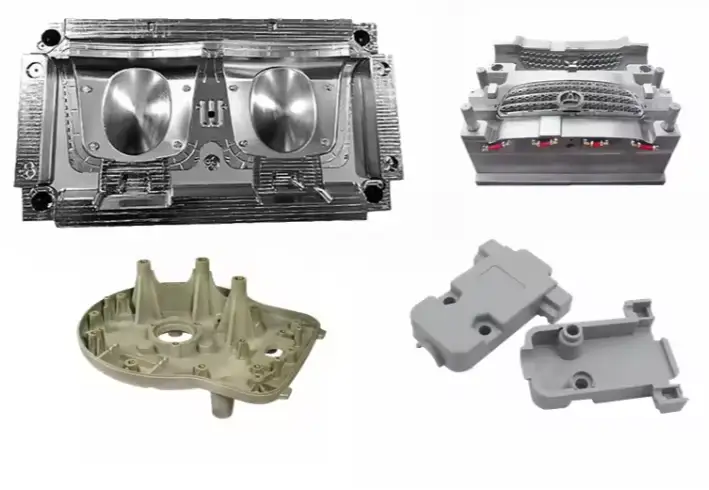
The Custom Mold Design Process
The custom mold fabrication process is highly structured, combining engineering expertise, design for manufacturability (DFM), and precision tooling engineering.
Initial Project Analysis
Understanding project requirements is essential. During this stage, designing considers:
- Material selection (ABS, PP, PC, PPSU, PMMA, POM, TPU, Silicone)
- Part application (medical devices, industrial markets, consumer goods)
- Functional needs (mechanical strength, chemical resistance, thermal stability)
- Volume expectations (multi-cavity molds for high-volume production)
- Budget and lead times
Design for Manufacturability (DFM)
DFM is a cornerstone of precision mold making. Experienced teams evaluate:
- Uniform wall thickness
- Draft angles
- Rib structures and bosses
- Undercuts and side actions
- Gate and runner placement
- Shrinkage prediction and mould flow analysis
- Warpage minimisation
By focusing on designing at this stage, companies reduce defects and ensure optimized mould performance.
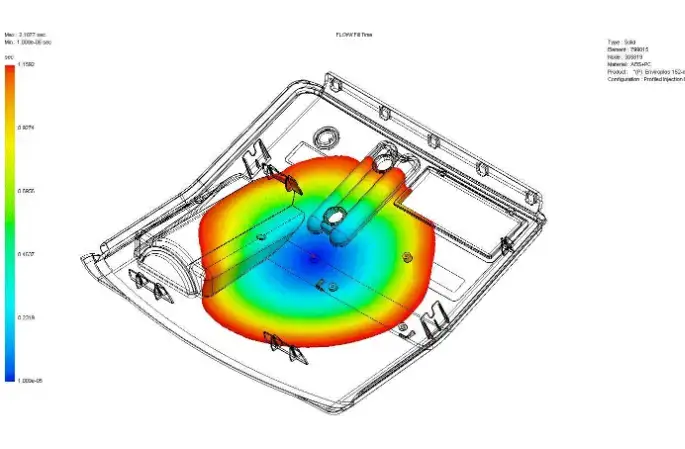
Mold Flow Simulation
Using 3D mold design, CAD/CAM mould development, and mould flow analysis, engineers simulate:
- Melt flow and pressure
- Air traps and weld lines
- Cooling efficiency through cooling channels
- Cycle times and material distribution
Simulation reduces trial-and-error, ensuring efficient production and high-quality surface finishes.
Tooling Design
Tooling design includes:
- Mold structure design and custom cavity layout
- Gate and runner design for optimal material flow
- Cooling system design and conformal cooling channels
- Selection ofdurable mold materials and steel (S136, H13, NAK80, 718H)
- Ejector pins, sliders, lifters, and inserts for complex mould geometries
This step ensures precision components and high-performance moulds for reliable industrial applications.
Prototype Mold Design and Rapid Tooling
Prototype mold design allows clients to test concepts before full-scale production. Rapid tooling design can:
- Reduce lead time
- Validate surface quality and mechanical performance
- Allow iteration on tooling design improvement
Bespoke mould fabrication at this stage ensures tailored injection mould design meets customer approval before committing to full production mould design.
Mold Fabrication and Assembly
The mold fabrication process typically involves:
- CNC milling and EDM for high-precision parts
- Polishing or texturing for cosmetic surface quality
- Assembly of custom mould components
- Initial trial runs and quality control checks
Pilot mold design ensures that molds perform optimally and meet design standards.
Testing and Approval
Mould quality control includes:
- Dimensional checks with CMM
- Visual inspection for surface defects
- Functional tests for mechanical performance
Once clients approve, the custom mold moves into mass production.
Types of Custom Molds
Custom injection moulding requires a variety of mold types:
- Single-cavity molds for large or low-volume parts
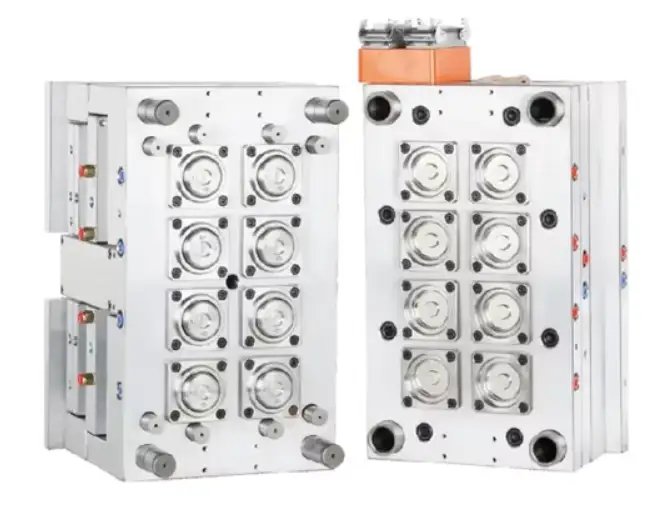
- Multi-cavity molds for high-volume industrial applications
- Family molds for related parts
- Hot runner molds to reduce waste and improve cycle time
- Cold runner molds for simpler, cost-effective production
- Silicone molds for flexible and prototype mold design
- Precision medical molds for medical device applications
By selecting the right mold type, companies maximise efficiency, quality, and life of the tooling.
Key Design Considerations
Cooling System and Conformal Cooling
Cooling channels and conformal cooling are crucial for optimized mould performance:
- Faster cycle times
- Reduced warpage
- Consistent surface finish
- Extended mold life
Advanced cooling system design is essential in industrial markets, medical devices, and high-performance molds.
Gate and Runner Design
Correct gate and runner design impacts material flow, surface quality, and structural integrity. Options include:
- Edge gates
- Submarine gates
- Pin gates
- Fan gates
Choosing the right gating system ensures efficient production and reduces defects.
Steel Selection and Durable Materials
Steel selection for molds is critical. Options depend on:
- Volume
- Resin type
- Surface requirements
- Polishing needs
High-quality steels ensure precision tooling engineering, and long-term mold life.
Surface Finish and Texture
Surface design affects cosmetic appeal and functional performance. This includes:
- Polished finishes for clarity
- Textured finishes for aesthetics or grip
- Chemical etching or laser engraving for precision detail
Industries Benefiting from Custom Mold and Design
Custom mold engineering serves multiple industrial markets:
Automotive Industry
- Interior panels, clips, and connectors
- High-volume multi-cavity molds
- Emphasis on durable mold materials and precision
Medical Devices
- Surgical tools, housings, and diagnostic devices
- Precision components and high-precision tooling
- Sterile manufacturing environments
Industrial Applications
- Control panels, electronic housings, machinery components
- Complex mould geometries and tooling design improvements
Consumer Products
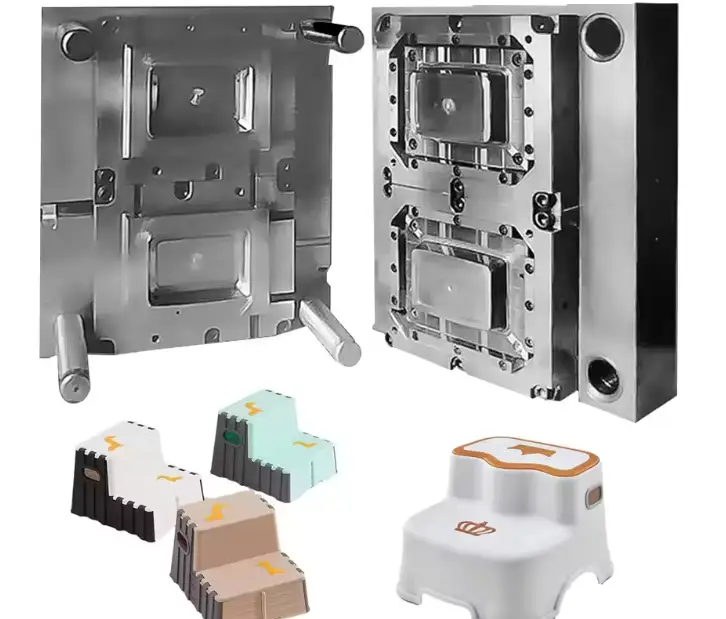
- Toys, appliances, household items
- Emphasis on surface quality, conformal cooling, and efficient production
Defense and Aerospace
- High-performance custom molds for critical components
- Emphasis on precision, durability, and tailored injection mould design
Advanced Technologies in Custom Mold Design
Companies are adopting advanced mould technology to improve industrial applications:
- 3D mold design and CAD/CAM mould development for complex shapes
- Mould flow analysis to optimise gate and runner design
- Automated inspection systems for consistent surface quality
- Conformal cooling as a game changer for efficient production
- Rapid tooling design to reduce lead times for prototype mold design
Exploring these opportunities gives companies an advantage in competitive markets.
Choosing the Right Mold Manufacturer
When selecting a custom mould manufacturing partner, consider:
- Experienced design team and precision tooling engineering expertise
- Best-in-class equipment for production
- Custom mold components and engineered mold solutions
- Capability to meet industrial and medical requirements
- Track record of approval and quality from clients
- Ability to create efficient and flexible production molds
Selecting the right company ensures optimized mould performance, reduced costs, and high-quality production.
Best Practices for Custom Mold Projects
- Start with detailed CAD designs and DFM analysis
- Engage in mold design consultation early
- Choose appropriate materials for durable mold materials
- Test prototype mold designs before mass production
- Focus on surface quality, cooling system design, and tooling design improvement
- Consider long-term mold life and industrial production requirements
Future Trends in Custom Mold and Design
The future of custom mold and design is driven by technology and innovation:
- AI-driven injection molding for process optimization
- Digital twin simulation for mould quality control
- Advanced materials for industrial and medical applications
- 3D printed inserts for rapid tooling design
- High-speed injection molding for shorter cycle times
- Sustainable mold materials for eco-friendly production
These developments create opportunities for companies to optimize performance, reduce costs, and explore new industrial applications.
Conclusion
Custom mold and design is a critical investment for any company seeking precision, efficiency, and innovation in manufacturing. By leveraging bespoke mould fabrication, precision mold making, tailored injection mould design, and advanced mould technology, clients can achieve:
- Exceptional surface quality and precision components
- Reduced production costs and cycle times
- Reliable industrial applications across automotive, medical, consumer, and defense sectors
- High-performance moulds that endure life-long production cycles
The custom mold engineering process — from tooling design consultation, CAD/CAM mould development, and mould flow analysis to multi-cavity molds, conformal cooling, and prototype mold design — ensures companies can meet requirements, create competitive advantages, and deliver high-quality products for the future.
Investing in custom molds is more than a project—it’s an opportunity to innovate, optimize, and transform your production capabilities.