
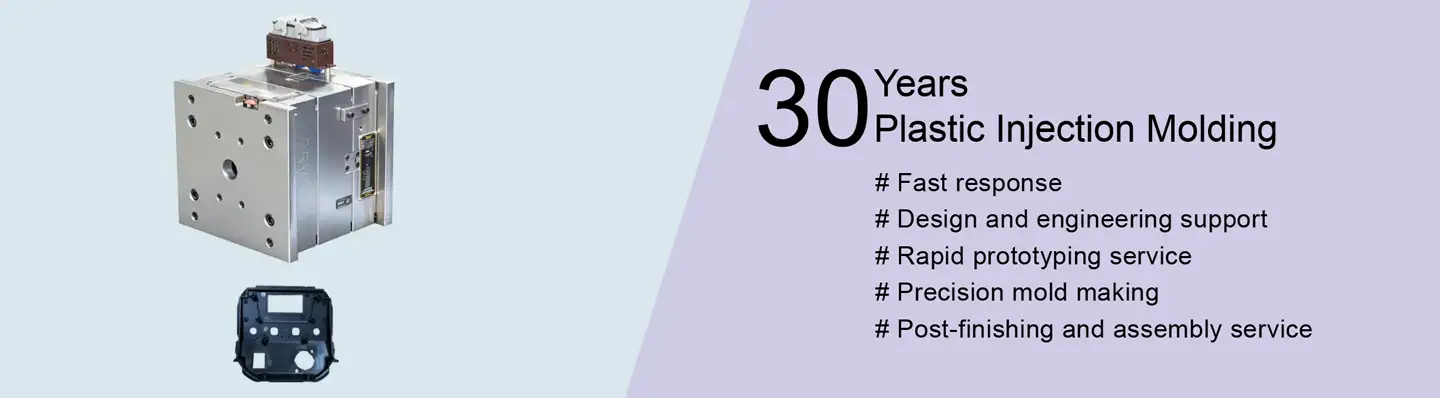
The aerospace industry has evolved dramatically over the past two decades, driven by lightweight engineering, complex geometries, higher safety standards, and rapid growth in both commercial aviation and aerospace and defense programs. Today, aerospace injection molding has become one of the most important manufacturing technologies for producing flight-ready plastic components, offering unmatched efficiency, precision, and material performance.
Modern aerospace manufacturers, including OEMs, Tier 1 suppliers, avionics companies, and defense contractors, increasingly rely on aerospace plastic injection molding to deliver lightweight aerospace components, tight-tolerance assemblies, and high-performance polymer parts used in the aerospace industry.
From aircraft cabin plastic components to fuel-resistant plastics used near power systems, and from thermoplastic composites for aerospace to high-performance aerospace plastics, injection molding makes it possible to manufacture durable, flame-retardant, chemically resistant, and cost-effective parts at scale.
This comprehensive guide explores how injection molding for the aerospace industry works, why it is critical for aviation innovation, which aerospace injection molding materials dominate the market, and how aerospace companies can benefit from state-of-the-art injection molding technology for future programs.
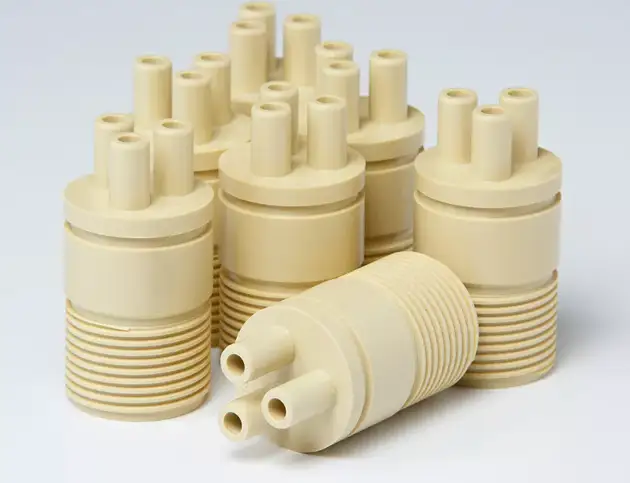
Introduction to Aerospace Injection Molding
Aerospace injection molding refers to the precision manufacturing of aerospace components using molten plastic injected into a high-tolerance injection mold. Unlike standard injection molding, aerospace plastic molding requires:
- Aerospace-grade polymers
- AS9100-compliant processes
- Rigorous quality control
- Aerospace-specific tooling
- Specialized engineering and mold design
- Full material traceability
- Flight-approved processing parameters
These requirements stem from the extreme performance and safety expectations of aircraft systems. Every injection-molded aerospace part must withstand demanding environments—heat, vibration, stress, fuel exposure, hydraulic fluids, UV radiation, and continuous cycles of expansion and contraction.
Because many aerospace applications depend on lightweight polymer components, injection molding provides a scalable, cost-effective way to deliver consistent high-strength molded parts that meet strict aerospace part tolerance and safety regulations.
Why the Aerospace Industry Depends on Plastic Injection Molding
Lightweight Engineering for Fuel Efficiency
One of the strongest forces shaping modern aviation is fuel efficiency. Replacing heavy metallic parts with lightweight aerospace components helps:
- Reduce aircraft weight
- Lower fuel consumption
- Extend flight range
- Improve carbon footprint
Injection molding produces lightweight polymer components far cheaper and faster than machining aluminum or titanium.
High-Performance Thermoplastic Materials
Many aerospace parts used today rely on high-performance and engineering thermoplastics, such as:
These aerospace-grade polymers deliver:
- Heat resistance
- Flame retardancy
- Chemical resistance
- Dimensional stability
- Strength-to-weight advantages
- Fatigue and impact resistance
They are ideal for producing injection-molded parts used in aircraft interiors, avionics housings, interior and exterior components, and structural plastic parts.
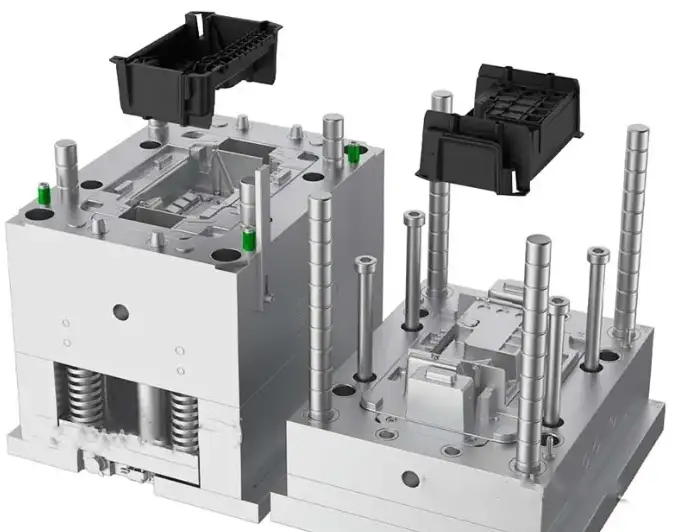
Complex Geometries Made Simple
Injection molding produces complex geometries that are impossible or cost-prohibitive using CNC machining or sheet metal fabrication.
With advanced mold design, overmolding, and insert molding, engineers can incorporate:
- Fasteners
- Threads
- Reinforcements
- Metal inserts
- Multi-material structures
This reduces assembly time and improves performance.
Scalable Production for Large Quantities
For aerospace companies building thousands of identical components, injection molding produces large quantities with repeatability and extremely tight-tolerance injection molding.
Once the state-of-the-art injection molding tool is engineered, scaled manufacturing becomes one of the most cost-effective solutions in the aerospace engineering world.
Aerospace Applications for Injection Molding
Aerospace plastic injection molding is used in virtually every part of an aircraft. Below are the primary categories where molded plastic aircraft parts are essential.
Aircraft Interior Components
Plastics dominate aircraft cabin interiors. Common plastic components for aircraft interiors include:
- Lighting housings
- Vent bezels
- Support brackets
- Cabin trim
- Seat components
- Tray tables
- Luggage compartment parts
- In-flight entertainment housings
These components must meet FAA flame-retardant aerospace plastics requirements.
Avionics and Electrical Housings
Aerospace-grade resins support electrical insulation, stability, and heat resistance, making them ideal for:
- Connectors
- Sensor housings
- Electronic brackets
- Wiring guides
- Switch housings
- Radar components
Injection molding produces precision aerospace molding needed for avionics stability and long-term reliability.
Engine & Fuel System Components
High-temperature plastic parts are essential in:
- Fuel system housings
- Engine bay brackets
- Thermal insulation enclosures
- High-strength clips
- Ducting components
These parts must survive chemicals, jet fuel, heat cycles, and vibration.
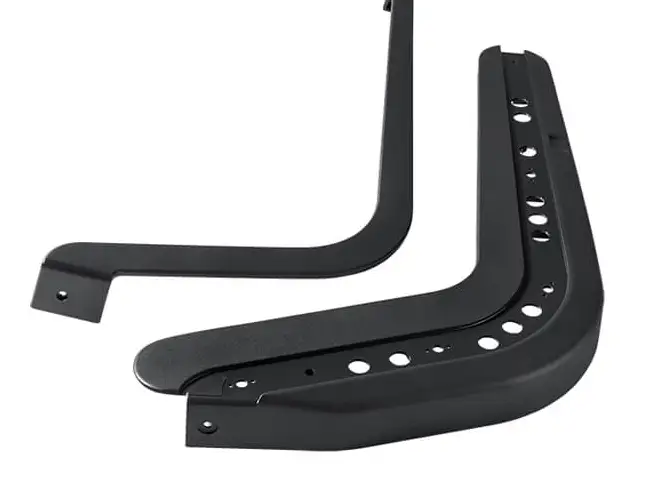
Defense Injection Molding Applications
The aerospace and defense sector uses injection molding for:
- Drone components
- Weapon system housings
- Military-grade connectors
- Surveillance equipment
- Tactical gear systems
- High-strength molded parts
Defense injection molding demands rigorous quality control processes and full compliance.
Spacecraft & Satellite Polymer Components
Aerospace thermoplastic molding is used in:
- Satellite brackets
- Sensor mounts
- Low-outgassing polymer components
- Electronics insulation
- Covers and housings
These must meet space-grade durability and precision.
Types of Injection Molding Used in Aerospace
Standard Injection Molding
Used for most interior housings and structural plastics.
Advanced Injection Molding
Includes:
- High-performance aerospace plastics
- Flame-retardant materials
- High-temperature polymers
- Composite-infused polymers
Overmolding
Combines two materials for:
- Grip features
- Soft-touch parts
- Electrical insulation
- Vibration damping
Insert Molding
Encapsulates metal inserts inside molded plastic aircraft parts for:
- Stronger mounting points
- Electrical conductivity
- Threaded features
Aerospace Composite Molding
Thermoplastic composites for aerospace provide:
- Extremely high strength
- Lightweight performance
- Fuel resistance
These components are used in advanced aerospace engineering programs.
Aerospace Injection Molding Materials
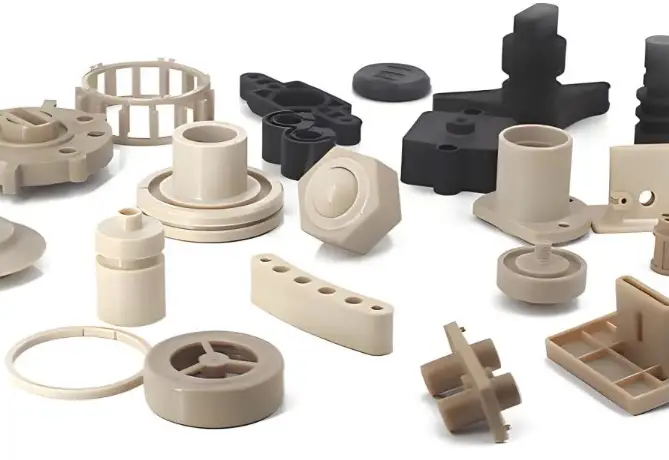
PEEK (Polyether Ether Ketone)
Aerospace manufacturers use PEEK for:
- High-temperature plastic parts
- Fuel-resistant plastics
- Structural brackets
- Avionics components
PEI (Ultem)
Ideal for:
- Aircraft cabin plastic components
- Interior panels
- Connectors
- Insulators
PPS (Polyphenylene Sulfide)
Used in:
- Fuel system housings
- High-temperature applications
- Chemical-resistant parts
Reinforced Nylon
Perfect for:
- Structural plastic parts
- Brackets
- Clips
- Mechanical housings
Other Aerospace Injection Molding Materials
- PC
- PC/ABS
- LCP
- TPU
- TPE
- POM
- Composite-filled polymers
These materials are selected to withstand performance requirements and safety standards required in aerospace applications.
The Aerospace Injection Molding Process
Aerospace Mold Design
Aerospace mold design must achieve:
- Ultra-tight tolerance
- Multi-cavity precision
- Complex geometries
- Thermal balance
- Predictable shrinkage
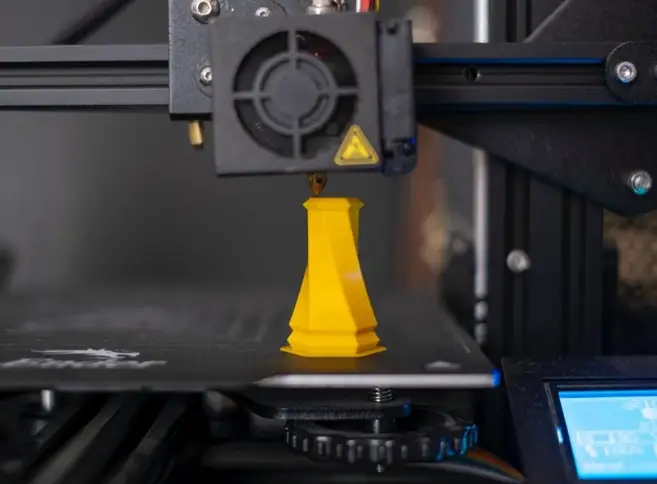
Prototyping with 3D Printing
Before investing in aluminum or steel tool production, aerospace manufacturers often use:
- 3d printing prototypes
- In-house rapid tooling
- Low-volume mold design verification
This reduces risk and speeds time-to-market.
Mold Manufacturing & Tooling
Aerospace injection molding requires:
- Hardened steel tools
- Complex cooling systems
- Insert molding capabilities
- Composite-compatible tooling
Injection Molding Production
The injection molding process includes:
- Heating resin
- Injecting molten plastic
- Cooling the molded parts
- Ejecting the components
Every step requires precision and accuracy to comply with aerospace standards.
Assembly & Secondary Operations
After molding, parts may need:
- Assembly
- Ultrasonic welding
- Hardware insertion
- Painting or coating
- Inspection
Rigorous Quality Control
Aerospace companies must follow:
- AS9100
- ISO standards
- Material traceability
- FAI documentation
- Performance testing
These ensure safety and performance for parts used in aerospace applications.
Benefits of Injection Molding for the Aerospace Industry
Production of Lightweight Components
Injection molding produces lightweight aerospace components used in aircraft interiors and structural assemblies.
High Precision, High Tolerance
Aerospace injection molding achieves:
- Tight-tolerance injection molding
- Dimensional accuracy
- Repeatability across millions of parts
Cost-Effective & Scalable
Once the tool is made, injection molding solutions are extremely cost-effective for:
- Large quantities
- Long-term aerospace projects
- Replacement parts
Design Flexibility
Injection molding produces:
- Thin walls
- Curved features
- Integrated fasteners
- Multi-material assemblies
Chemical Resistance & Performance
Aerospace injection molding materials resist:
- Jet fuel
- Hydraulic fluids
- UV
- Cleaning chemicals
- Extreme heat
Enhanced Safety
Flame-retardant aerospace plastics meet FAA and MIL requirements.
Trends in Aerospace Injection Molding
Aerospace Manufacturing Plastics Are Growing Rapidly
As more parts transition from metal to plastic, aerospace OEMs increasingly rely on engineering polymers for aerospace.
Smart Materials and Composite Integration
Thermoplastic composites for aerospace support:
- Strength
- Fatigue resistance
- Heat stability
3D Printing + Injection Molding Hybrid Programs
3D printing accelerates:
- Tool development
- Prototyping
- Low-volume validation
State-of-the-Art Injection Molding Cells
Factories now use:
- In-house automation
- Robotics
- Real-time SPC
- Machine-learning quality control
Increased Use in UAV and Space Systems
Many aerospace and defense projects rely on injection molding for:
- Drones
- Satellites
- Environmental housings
- Electronics packaging
Choosing an Aerospace Injection Molding Partner
An aerospace program requires manufacturing partners that offer:
- Aerospace-qualified molding
- AS9100 molding supplier certification
- Advanced injection molding machines
- In-house engineering
- Aerospace tooling and molding expertise
- Custom injection capabilities
- Full compliance with ISO and aerospace regulations
A strong partner ensures high-quality injection molding products that meet all performance requirements.
Conclusion: The Future of Aerospace Engineering Runs on Injection Molded Plastics
Aerospace injection molding is no longer optional—it is a foundational manufacturing method for producing high-performance aerospace plastics, lightweight components, and flight-ready assemblies used across the aerospace and defense sectors.
Because it is cost-effective, scalable, precise, and adaptable, injection molding produces many aerospace components that were once metal, reducing weight while improving performance and safety. From aircraft plastic components to aviation plastic molding, the future of aerospace engineering depends on the intelligent application of state-of-the-art injection molding technology.
As aerospace companies innovate toward lighter aircraft, electric aviation, autonomous drones, and reusable space systems, aerospace plastic injection molding will remain a central force behind next-generation aerospace solutions.