
Introduction
In modern plastics manufacturing, molded parts must satisfy increasingly complex performance, aesthetic, and regulatory requirements. Achieving these targets often depends on the strategic selection of polymer additives, plastic reinforcement materials, and mineral fillers in plastics.
These supplementary materials transform base resins into engineered compounds capable of delivering the mechanical strength, stability, durability, and cost-efficiency demanded by today’s industrial applications.
Additives and fillers affect nearly every stage of the molding process—from melt flow behaviour to cooling rate and dimensional stability. The right combination can significantly improve part performance, while the wrong selection may lead to brittleness, warpage, or long-term degradation.
This article explores how performance-enhancing additives, mechanical strength enhancers, lightweight filler materials, and other advanced modifiers influence molded plastic components across industries.
Understanding Additives and Fillers in Plastics
What Are Polymer Additives?
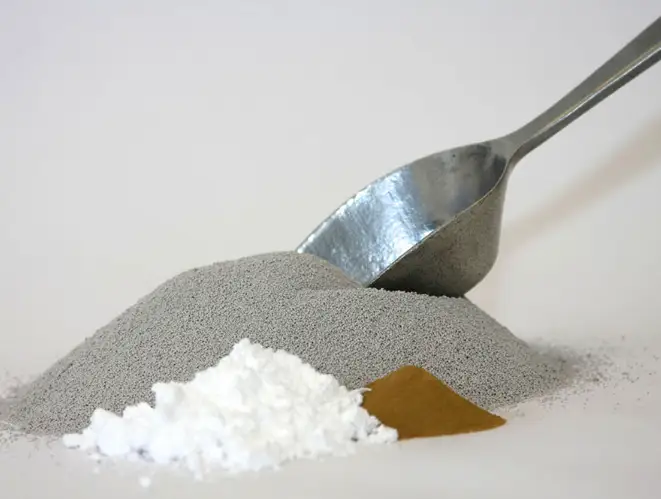
Polymer additives are specialized compounds introduced in small quantities to improve a resin’s processability, strength, appearance, and resistance to environmental stressors. Common categories include:
- Flame-retardant additives
- UV stabilizers for plastics
- Impact modifiers
- Heat stabilizers
- Anti-oxidant additives
- Color masterbatch additives
- Processing aids
- Plasticizer compounds
These performance modifiers allow molded parts to withstand heat, mechanical stress, UV light, chemicals, and environmental aging.
What Are Fillers?
Fillers are typically incorporated in larger proportions than additives, and they significantly influence density, stiffness, thermal behaviour, and cost.
Common fillers include:
- Calcium carbonate fillers
- Talc-filled polymers
- Silica fillers
- Glass fiber reinforced plastics
- Mineral fillers in plastics
- Nanocomposite additives
- Lightweight filler materials
- Thermal conductivity fillers
Fillers may reduce compound cost, but more importantly, they tailor the polymer’s mechanical and physical performance to meet application-specific requirements.
Types of Additives and Their Influence on Molded Parts
Flame Retardant Additives
These additives improve fire resistance by:
- Slowing ignition
- Reducing heat release
- Minimising smoke generation
Flame retardants are essential in electronics, appliances, automotive interiors, aerospace components, and building materials.
UV Stabilizers
UV stabilizers for plastics prevent polymer degradation due to sunlight exposure. Effects include:
- Reduced colour fade
- Prevented cracking and chalking
- Improved outdoor lifespan
These stabilizers are vital for automotive trim, outdoor furniture, agricultural films, and construction materials.
Impact Modifiers
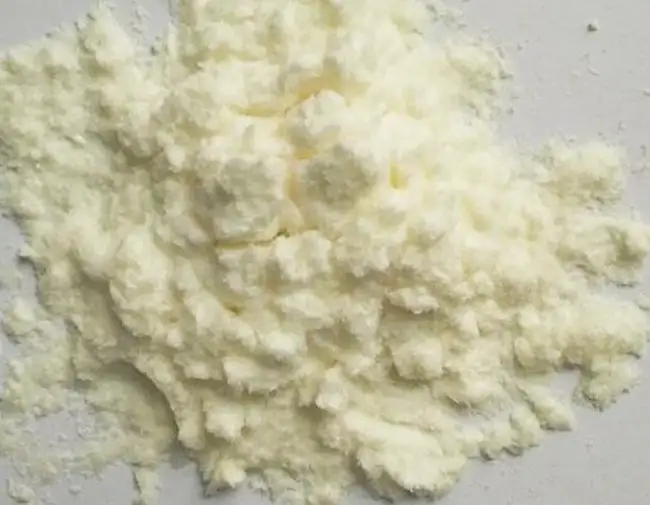
Impact modifiers enhance toughness and reduce brittleness, especially in:
- Cold environments
- High-impact applications
- Thin-walled molded parts
They work by absorbing and distributing energy during impact, making them crucial for housing, containers, and protective equipment.
Anti-Oxidant and Heat Stabilizers
Anti-oxidant additives and heat stabilizers protect polymers during:
- Melt processing
- High-temperature exposure
- Long-term service life
They reduce thermal degradation, discoloration, and molecular breakdown in automotive components and electrical housings.
Color Masterbatch Additives
These ensure:
- Uniform pigmentation
- Colour consistency between production batches
- Resistance to fading and chemical exposure
Masterbatch technology supports brand-specific colour requirements and controlled aesthetics.
Plasticizers and Processing Aids
Plasticizer compounds soften polymers, improving flexibility and elongation.
Processing aids optimize melt flow, reduce friction, and prevent melt fracture, resulting in smoother surfaces and faster cycle times.
Types of Fillers and Their Performance Impact
Calcium Carbonate Fillers
Used widely because of cost-effectiveness and easy dispersibility, calcium carbonate improves:
- Dimensional stability
- Stiffness
- Heat deflection
- Surface finish
It also reduces shrinkage in injection molding.
Talc-Filled Polymers
Talc contributes to:
- Higher stiffness
- Improved heat resistance
- Reduced warpage
Talc-filled polypropylene is common in automotive dashboards and appliance housings.
Silica Fillers
Silica enhances:
- Abrasion resistance
- Creep resistance
- Hardness
- Dielectric properties
Ideal for industrial components and electrical insulation.
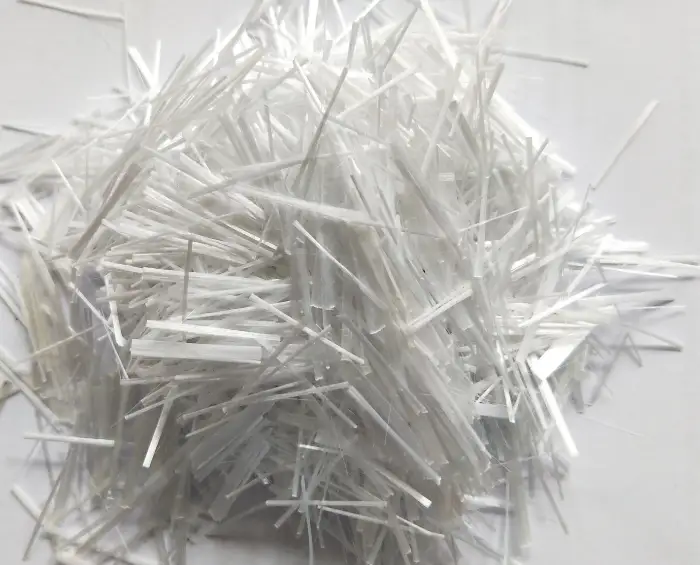
Glass Fiber Reinforcement
Glass fiber reinforced plastics are used for high-performance, structural applications where the strength-to-weight ratio is crucial. Benefits include:
- Significant tensile and flexural strength increases
- High-dimensional accuracy
- Temperature resistance
Common in automotive, aerospace, and industrial machinery.
Nanocomposite Additives
Nanoparticles improve material characteristics at extremely low loadings:
- Barrier properties
- Thermal resistance
- Flame retardancy
- Electrical conductivity
Industries such as electronics and medical devices have rapidly adopted nanocomposites.
Lightweight Fillers
These reduce density while maintaining performance. Applications include:
- Drone components
- Automotive interior parts
- Sporting goods
Lightweight fillers support weight reduction strategies without weakening mechanical performance.
Thermal Conductivity Fillers
Used in LED housings, electronics, and heat-management components, these fillers enhance heat dissipation and reduce thermal stress.
How Additives and Fillers Affect Molding Processes
Influence on Injection Molding
Additives and fillers alter:
- Melt viscosity
- Flow behaviour
- Cooling rate
- Shrinkage
- Molded part ejection
For example:
- Glass fibres increase viscosity, requiring higher injection pressure
- Plasticizers reduce viscosity for easier flow
- Mineral fillers accelerate cooling due to thermal conductivity
Impact on Mold Design
Fillers and additives require modifications to:
- Gate sizing
- Runner layout
- Venting
- Wall thickness
- Cooling channel design
Glass-filled materials demand wear-resistant steel because fibres cause abrasion.
Processing Temperature Adjustments
Nanocomposites, heat stabilizers, and flame retardants may change:
- Melt temperature window
- Screw speed
- Back pressure
- Cooling time
Improper settings lead to burn marks, warpage, and dimensional instability.
How Additives Influence Part Performance
Mechanical Strength
Strength-enhancing additives such as:
- Glass fibres
- Mineral fillers
- Nanocomposites
…provide controlled stiffness and improved load-bearing capability.
Durability and Environmental Resistance
UV stabilizers, heat stabilizers, and antioxidants protect parts from:
- Thermal cycling
- UV light
- Oxidative degradation
Resulting in longer product life.
Dimensional Stability
Fillers reduce shrinkage and warpage, making them ideal for:
- Precision housings
- Structural frames
- Connectors
- Enclosures
Aesthetic and Colour Quality
Color masterbatch additives ensure:
- Uniformity
- Gloss or matte finishing
- Opaque or transparent effects
They also improve batch-to-batch consistency.
Flame Resistance and Safety
Flame-retardant additives help molded components meet:
- UL 94 standards
- Automotive flammability regulations
- Building code safety requirements
Additive and Filler Selection for Different Industries
Automotive Industry
Commonly used modifiers:
- Glass fiber reinforcement for under-hood components
- Flame retardants for electrical connectors
- Impact modifiers for bumpers
- UV stabilizers for exterior trim
Electronics and Electrical
Popular choices include:
- Flame-retardant additives
- Thermal conductivity fillers
- Dimensional stability fillers
- Anti-oxidants and heat stabilizers
Medical Devices
Demand:
- High-purity modifiers
- Biocompatible additives
- Nanocomposites for antimicrobial properties
Consumer Goods
Often use:
- Color masterbatch additives
- Impact modifiers
- Plasticizers
- Cost-saving fillers
Industrial & Structural Applications
Require:
- Glass fiber reinforcement
- High-modulus mineral fillers
- Wear-resistant additives
Future Trends in Additives and Fillers
Growth of Nanocomposites
Nanomaterials will dominate future plastics due to exceptional performance at low loading levels.
Sustainability and Bio-Additives
Manufacturers are shifting toward:
- Bio-based fillers
- Natural fibre reinforcements
- Low-toxicity stabilizers
Additives for Lightweighting
Critical for automotive and aerospace sectors, where weight reduction drives efficiency.
Smart and Functional Additives
Emerging trends include:
- Conductive fillers for smart electronics
- Self-healing polymers
- Antimicrobial additives
Conclusion
Additives and fillers play a transformational role in plastics molding, allowing manufacturers to engineer materials tailored for strength, durability, heat resistance, flame safety, UV stability, and cost-effectiveness. Whether using glass fiber reinforced plastics, talc-filled polymers, calcium carbonate fillers, or nanocomposite additives, the right combination enhances both processing efficiency and final product performance.
From automotive components to medical devices and high-precision industrial parts, modern molded plastics rely heavily on performance-enhancing additives, mechanical strength enhancers, and thermal conductivity fillers to meet today’s demanding application requirements.
Additives and fillers are not just enhancements—they are essential engineering tools that define the performance, reliability, and future potential of molded plastic parts.