Email: keenhu@lztooling.com | Whatsapp/Wechat/Phone: +86 134 1694 6882
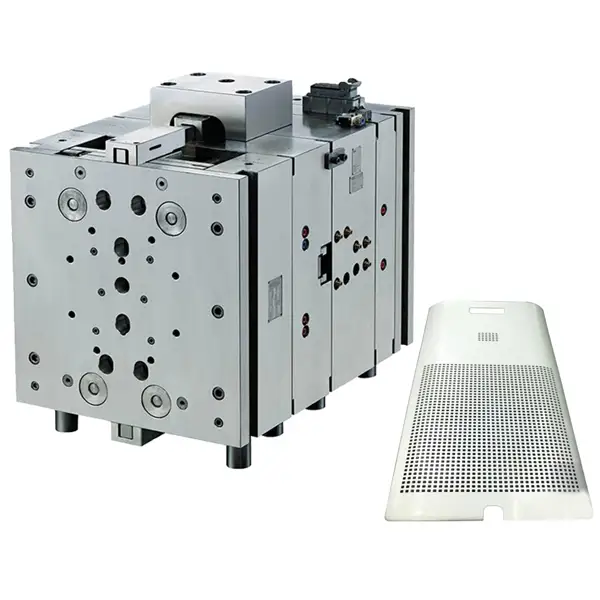
Custom polycarbonate injection molding with LTC Plastic, with design and engineering support, DFM, OEM, ODM, mold making, post-finishing, and shipment support.
Polycarbonate (PC) is a high-performance, high-temperature thermoplastic widely used in modern manufacturing. Known for its exceptional impact resistance, clarity, and dimensional stability, polycarbonate is a top choice for plastic products in automotive, electronics, medical devices, optical lenses, and industrial components. When it comes to shaping this material into durable and precise parts, polycarbonate injection molding stands out as the most reliable and cost-effective method.
Through well-controlled injection molding processes, manufacturers can create consistent, accurate, and high-quality injection molded parts with excellent surface appearance and tight tolerances. The polycarbonate molding process supports complex geometries, strong mechanical properties, and transparency, making it ideal for clear polycarbonate molding and high-performance engineering components.
This guide introduces the fundamentals of PC injection molding, covering material behaviour, tooling requirements, best practices, and common challenges. Whether you’re developing a new polycarbonate part or optimizing a plastic molding polycarbonate project, understanding the right processing parameters is essential for achieving superior results in every production run.
Polycarbonate injection molding is an advanced fabrication method where molten injection molding PC resin is forced into a precision steel cavity to create strong, accurate, and impact-resistant plastic molding components. As a high-performance thermoplastic, polycarbonate must be processed with careful control of temperature and pressure to ensure stable part quality.
The process begins by feeding PC pellets into the machine, where the resin is heated and melted. The molten material is then injected into the cavity under carefully managed injection speed and injection pressure, both of which are crucial for filling complex geometries. Afterward, the part cools within a controlled mold temperature environment to form solid molded polycarbonate components with excellent strength and clarity.
Because PC is often used for optical-grade polycarbonate products, such as a lens, its quality heavily depends on precise polycarbonate mold design, gate placement, and cooling channels. As a result, engineering thermoplastic molding for polycarbonate requires more accuracy than standard plastics.
Compared with PP or PE, PC demands higher processing temperatures and stronger tooling materials to handle its rigidity and viscosity. When properly controlled, this process delivers durable, transparent, and dimensionally stable components for a wide range of applications.
To understand why PC is ideal for injection molding, it’s important to review the main polycarbonate material characteristics and how they influence the polycarbonate injection molding process.
Extremely high impact resistance
High tensile strength (60–70 MPa)
Excellent dimensional stability
High stiffness and rigidity
Good fatigue resistance
Low shrinkage rate (0.5–0.7%)
Heat deflection temperature: ~125°C
Wide working temperature range: -40°C to 130°C
High glass transition temperature (Tg): 147°C
Capable of withstanding high temperatures without severe degradation
Flame-retardant and UV-stable polycarbonate parts available
Up to 90% transparency
High light transmission
Suitable for optical components such as a lens and lighting covers
Strong electrical insulation
Stable dielectric performance
Resistant to:
Alcohols
Greases
Oils
Sensitive to:
Strong acids
Solvents
Aromatic hydrocarbons
These properties directly affect tooling, settings, and production efficiency:
High viscosity requires a higher injection pressure for polycarbonate.
Proper polycarbonate molding temperature ensures stable flow and prevents defects.
The PC melt flow index helps determine injection speed and filling behaviour.
Low shrinkage improves dimensional accuracy but increases stress sensitivity.
Optical clarity requires moisture control and optimized flow paths.
Understanding these characteristics ensures PC performs reliably in automotive, electrical, industrial, and other applications of polycarbonate, and helps operators set the injection molding machine correctly for consistent results.
Injection molding polycarbonate is widely preferred because the material delivers an exceptional balance of strength, clarity, and thermal performance. Whether used for structural components or visually critical items, PC consistently produces high-quality injection molded parts thanks to its robust mechanical properties and stable molding behaviour.
Polycarbonate is nearly unbreakable, offering far greater toughness than acrylic or standard plastics. This makes PC ideal for:
Safety helmets
Protective covers
Automotive components
Security windows
Machine guards
Its amorphous structure and resilience help manufacturers achieve stress-free PC molded parts with long-term durability.
PC supports high transparency similar to glass, suitable for:
Lenses
Light diffusers
LED housings
Medical viewing devices
Different grades of polycarbonate formulations are available for optical or functional performance.
Dimensional stability polycarbonate ensures parts retain their geometry under mechanical load or temperature changes—crucial for:
Precision connectors
Mechanical components
Electronic housings
This enhances assembly accuracy and minimizes warpage across all molded parts.
PC performs reliably at elevated temperatures due to its high melt temperature and ability to meet UL-94 flame ratings. Flame-retardant polycarbonate molding is ideal for:
Electrical devices
Automotive interiors
Lighting fixtures
PC plastic part surfaces can be machined, bonded, coated, painted, or polished, offering flexibility for both aesthetic and functional applications.
Polycarbonate blends well with additives such as:
UV stabilisers
Glass fibres
Flame retardants
Impact modifiers
This adaptability influences polycarbonate tooling requirements and process parameters, allowing manufacturers to tailor the polymer for different performance needs.
Overall, the versatility and reliability of PC make it one of the most capable materials for high-performance injection molded components.
While the basic molding workflow is similar to other plastics, polycarbonate molding requires tighter processing control due to its viscosity, sensitivity to moisture, and need for consistent optical quality. These polycarbonate injection molding techniques ensure high durability, dimensional accuracy, and stable cycle time across different types of polycarbonate.
Polycarbonate is highly hygroscopic, so proper drying is essential to prevent bubbles, splay, brittleness, and yellowing.
Recommended settings:
Temperature: 120–130°C
Time: 3–4 hours
Moisture content: <0.02%
Using UV stabilizers or additives does not eliminate the need for thorough drying. Poor drying remains one of the main disadvantages of polycarbonate injection molding because it affects clarity and strength.
Inside the barrel of the injection molding machine, pellets melt evenly.
Typical melt temperature: 260–320°C, depending on grade and geometry.
Higher temperatures improve flow for transparent injection molded parts, but overheating may cause polymer degradation—a common disadvantage of polycarbonate.
The molten PC is injected into the mold cavity with controlled force and speed.
Key parameters:
Injection pressure: 80–150 MPa
Injection speed: medium to high
Screw speed: 30–60 rpm
A faster fill helps reduce flow lines, crucial for molded polycarbonate parts used in optical and aesthetic applications.
This stage compensates for shrinkage and ensures dimensional accuracy.
Holding pressure: 50–70% of injection pressure
Holding time: 5–15 seconds
Proper pressure ensures stable geometry for automotive polycarbonate components, medical-grade PC molding, and electrical enclosure polycarbonate parts.
PC cools more slowly than many materials, affecting cycle time.
Mold temperature: 80–120°C
Cooling time: 10–40 seconds
A heated mold reduces internal stress and promotes better clarity for consumer products and other applications of polycarbonate injection molding.
After the part solidifies, it is ejected carefully to avoid marks.
Considerations:
Avoid ejector pin damage
Use uniform cooling
Apply draft angles of 1–3°
When optimized, the process delivers durable, precise components with low cost per part, making PC ideal for high-volume production despite some processing challenges.
Below are recommended processing conditions for PC injection molding (adjustable depending on grade):
| Parameter | Recommended Range |
|---|---|
| Drying temperature | 120–130°C |
| Drying time | 3–4 hours |
| Melt temperature | 260–320°C |
| Mold temperature | 80–120°C |
| Injection speed | Medium–High |
| Injection pressure | 80–150 MPa |
| Holding pressure | 50–70% of injection pressure |
| Back pressure | 5–10 MPa |
| Screw speed | 30–60 rpm |
| Cooling time | 10–40 seconds |
| Moisture content | <0.02% |
These parameters may vary depending on:
Wall thickness
Mold design
Part size
PC grade (transparent, flame-retardant, glass-filled, UV-resistant)
Designing a mold for polycarbonate plastic requires careful engineering to handle its viscosity, thermal behaviour, and clarity requirements. Proper tooling ensures stable molding conditions, lower defects, and reduced cost of injection molding in long-term production.
PC demands elevated injection temperature and high injection pressure, so the mold must withstand heat and wear.
Recommended materials: H13 or S136 steel.
These materials maintain accuracy over long runs and help produce durable polycarbonate parts.
For high-clarity injection molding, especially optical components, the cavity must be highly polished:
Use SPI A1 or A2 mirror finishes
Eliminate machining marks
Maintain consistent cavity temperature
This ensures clean flow and clarity with minimal stress.
Proper venting prevents air traps and burning.
Vent depth: 0.02–0.04 mm
Effective gate options include:
Fan gate
Edge gate
Direct sprue gate for thick parts
Submarine gate for automation
Correct gate dimensions improve flow and reduce molded-in stress.
Avoiding sharp transitions reduces defects such as:
Sink marks
Bubbles
Warpage
Internal stress
Smooth transitions help maintain stability and clarity.
1–3° for standard surfaces
5–8° for textured finishes
Proper draft allows a cleaner release and reduces reliance on mold release agents.
Efficient cooling is essential for optical quality and cycle optimization.
Uniform cooling improves clarity
Proper PC part cooling time reduces internal stress
Conformal cooling is ideal for complex geometries
A well-designed cooling system shortens cycle time and improves part consistency, further reducing total production cost.
Even though parts from polycarbonate offer excellent performance and many advantages of polycarbonate, defects can still occur if processing conditions are not well controlled. Because PC is an amorphous thermoplastic with high viscosity, proper temperature control, venting, and pressure parameters are essential.
Below are the most frequent issues and how to solve them, especially when dealing with optical, structural, or heat-resistant plastic parts.
Cause: Moisture in the resin or poor polycarbonate viscosity control
Fix:
Improve drying conditions
Reduce barrel temperature
Increase back pressure to stabilise melt flow
Cause: Inadequate packing or trapped moisture
Fix:
Ensure proper drying
Increase holding time and pressure
Adjust PC mold shrinkage rate compensation
Cause: Air traps, poor venting, or overheating
Fix:
Enhance venting and air escape paths
Optimise gate design for polycarbonate
Reduce injection speed or melt temperature
Cause: Low melt temperature or insufficient injection speed
Fix:
Increase the melt temperature
Raise the mold temperature
Boost injection speed for smoother flow
Cause: Uneven cooling or internal stress
Fix:
Improve mold temperature uniformity
Maintain consistent wall thickness
Reduce holding pressure
Consider reinforced polycarbonate molding for dimensional stability
Cause: Overheating or resin degradation
Fix:
Reduce barrel temperature
Lower screw speed
Check residence time
Cause: High internal stress or poor geometry design
Fix:
Increase mold temperature for smoother flow
Add radii to eliminate sharp corners
Adjust cooling to reduce stress concentration
Proper process optimisation ensures strong, stable, and high-quality PC parts, making polycarbonate one of the most reliable materials for precision-molded components.
Polycarbonate is a versatile thermoplastic material widely adopted across multiple industries because polycarbonate has excellent strength, clarity, and heat resistance. Its reliability in injection molding plastic production makes it ideal for both functional and aesthetic parts, especially when tight tolerances and consistent performance are required.
PC is extensively used for precision polycarbonate components thanks to its toughness and optical clarity. Applications include:
Headlamp housings and polycarbonate lens molding
Light covers and reflectors
Dashboards, panels, and interior trims
Instrument clusters
Engineers often perform polycarbonate mold flow analysis to optimise wall thickness and flow for these complex geometries.
Because polycarbonate resin offers high heat resistance and strong insulation, it is ideal for:
Connectors
Electrical enclosures
LED housings
Switches and device frames
These parts benefit from stable molding parameters and a controlled injection machine setup.
With strong clarity and biocompatible grades, PC is widely used for:
Diagnostic device housings
Surgical tools
Clear safety shields
Sterilizable components
PC enables precise, complex injection of optical-grade items such as:
Lenses
Diffusers
Light guides
Reflectors
Uniform flow of molten polycarbonate is essential to avoid optical defects.
Because of its impact resistance, polycarbonate is chosen for:
Machine guards
Riot shields
Helmets
Protective covers
Many of these products are exposed to UV, so stabilised grades are used.
Due to its durability and formability, polycarbonate is found in:
Water bottles
Eyewear frames
Appliances
Toys and sports gear
Polycarbonate can also be applied in building and structural products, such as:
Glazing panels
Skylights
Transparent roofing
Safety windows
Across all these sectors, the benefits of polycarbonate—clarity, toughness, heat resistance, and dimensional stability—make it a top choice for dependable, high-performance molded parts.
Polycarbonate stands out for its exceptional clarity, impact strength, and temperature resistance. Compared with ABS, acrylic, nylon, PBT, and PETG, PC provides the most balanced performance for optical-grade and high-strength parts. Injection molding makes PC suitable for precise components, while blow molding supports larger, lightweight structures.
| Material | Impact Strength | Clarity | Heat / Temperature Resistance | Cost | Common Uses | Notes |
|---|---|---|---|---|---|---|
| Polycarbonate (PC) | Excellent | Excellent | High | Medium | Optics, safety parts | Injection molding makes PC ideal for high-precision parts; blow molding also used. Polycarbonate is often used where clarity + toughness are required. |
| ABS | Good | Fair | Medium | Low | Housings, toys | Good for low-cost structural components. |
| Acrylic (PMMA) | Poor | Excellent | Low | Medium | Displays, lenses | High clarity but brittle and low heat performance. |
| Nylon (PA) | Good | Opaque | Good | Medium | Gears, mechanical parts | Strong and wear-resistant, but not transparent. |
| PBT | Good | Opaque | High | Medium | Electrical components | Excellent stability and heat resistance. |
| PETG | Moderate | Excellent | Low | Low | Packaging | Clear and low-cost but limited heat capability. |
With proper machine settings, PC forms durable, stable parts under high heat. Common uses for polycarbonate include lighting lenses, safety shields, medical housings, and automotive components. Because polycarbonate is often used in environments requiring toughness and transparency, it remains one of the most versatile engineering plastics.
Polycarbonate injection molding refers to the process of feeding polycarbonate into a mold under high pressure to create precise and durable parts. Because polycarbonate is used in optical, automotive, and structural components, stability and clarity are critical. Below are key practices when using injection molding for PC.
Always Dry the Resin
PC has strict PC resin drying requirements. Proper drying prevents bubbles, splay, and reduced strength.
Use High Mold Temperatures
Higher tool temperatures reduce internal stress, improve clarity, and ensure a smooth surface—especially important for injection molded optical lenses.
Maintain Uniform Wall Thickness
Consistent walls improve flow and reduce warping, which is essential for mechanical parts and molded PC housings.
Avoid Sharp Corners
Sharp edges create stress concentrations. Round corners help prevent cracking and material fatigue.
Use Proper Runner and Gate Size
Because PC has relatively high viscosity, larger flow channels are used in injection molding to achieve complete filling.
Control Shear Rates
Excessive shear can cause yellowing, while insufficient shear may lead to flow defects. Balanced shear is key.
Consider Additives
Additives like UV stabilisers, flame retardants, and glass fibres enhance durability depending on the application.
Post-Mold Annealing
For high-precision or optical parts, annealing reduces residual stress. Injection molding allows tight tolerances, and injection molding is often chosen when high clarity and strength are required.
Polycarbonate injection molding is one of the most important technologies in polycarbonate product manufacturing, delivering components that combine clarity, toughness, and precision. When material handling, tooling, and processing are optimised, manufacturers can achieve consistent results in consumer electronics, medical devices, automotive systems, industrial safety products, and optical parts.
Because polycarbonate is quite versatile and polycarbonate is a strong engineering material, it offers excellent dimensional stability, transparency, and heat resistance. These properties make it ideal for demanding environments where alternatives fall short. As far as injection molding goes, PC continues to outperform many other plastics thanks to its durability and optical quality.
Modern advancements in resin technology and moulding machinery are further reducing polycarbonate molding cycle time, allowing faster mass production and better efficiency. With new grades emerging and better process control systems available, polycarbonate molding will remain a cornerstone of modern product development and large-scale manufacturing.
If you need a detailed guide on gate design, grade selection, or processing parameters, just let me know—I can assist with tooling specs, gate recommendations, parameter tables, or full workflow optimisation.