Email: keenhu@lztooling.com | Whatsapp/Wechat/Phone: +86 134 1694 6882

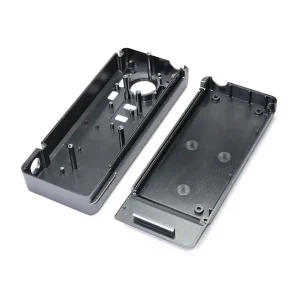
Custom plastic electrical enclosures with LTC Plastic, with design and engineering support, DFM, OEM, ODM, mold making, post-finishing and shipment support
Introduction: Why Plastic Electrical Enclosures Matter More Than Ever
In today’s fast-moving world of automation, smart electronics, renewable energy, and intelligent control systems, the enclosure has become far more than just a protective shell. A well-designed plastic electrical enclosure now plays a direct role in safety, performance, and long-term reliability. From compact plastic enclosure boxes for electronics to large enclosure boxes used in industrial power systems, the right box protects sensitive electrical components from moisture, dust, heat, and impact.
Compared with metal options, plastic, especially ABS plastic, offers excellent insulation, lightweight strength, corrosion resistance, and superior design flexibility. This makes plastic electronic enclosures and plastic electronics enclosures ideal for modern applications where space, cost, and durability all matter.
As devices become smaller and smarter, custom plastic electronic enclosures are increasingly developed to meet exact technical and environmental requirements standards.
From control panels and sensors to power supplies and communication systems, plastic enclosures for electronics are now used across almost every industry. Many designs are also fully weatherproof, allowing safe operation in harsh outdoor environments. As demand grows for reliable, cost-effective protection, the importance of high-quality plastic electrical enclosure solutions continues to rise.
Plastic electrical enclosures are protective housings designed to safely contain electrical and electronic components, including wiring, control systems, and circuit boards. These enclosures act as the first line of defense against environmental threats, including dust, moisture, chemicals, vibration, UV exposure, and accidental human contact. In both indoor and outdoor applications, waterproof junction boxes and sealed project boxes are widely used to protect sensitive electronics from harsh conditions.
Modern plastic electronic enclosures are commonly manufactured from durable materials such as ABS and polycarbonate, offering excellent electrical insulation, impact resistance, and long-term durability. A plastic enclosure for electronics prevents short circuits, reduces fire risk, and minimizes the chance of electrical shock, making it essential for safety-critical systems.
Typical equipment housed inside a plastic electronics enclosure or plastic box enclosure includes:
Circuit breakers
Terminal blocks
PCB boards
Power supplies
PLC controllers
Sensors and signal modules
Whether referred to as plastic enclosures electronic, or a plastic electronic enclosure, these protective boxes are fundamental to reliable electrical system operation across industrial, commercial, and consumer applications.
While metal enclosures still play an important role in extreme industrial environments, plastic electrical enclosures have become the preferred choice for most modern electronic and electronics applications. From compact control units to large outdoor electrical junction box systems, plastic offers a smarter balance of safety, performance, and cost.
Whether it’s a polycarbonate cabinet, an ABS plastic enclosure for electronics, or a waterproof plastic enclosure box, plastic solutions outperform metal in multiple key areas—especially where weatherproof electrical enclosure performance, flexible size, and design freedom are required.
Electrical Insulation
Plastic is naturally non-conductive, making every plastic box for electronic device enclosure inherently safer and eliminating grounding risks in electrical enclosure systems.
Corrosion Resistance
Unlike metal, plastic will not rust or oxidize. This makes plastic ideal for outdoor, marine, chemical, and high-humidity areas where long-term durability is critical.
Lightweight Construction
Plastic enclosures can weigh up to 70% less than metal, reducing transport, mounting, and installation costs for both industrial and DIY electronic enclosure box projects.
Design Flexibility
Injection molding allows vents, clips, snap fits, seals, and mounting features to be integrated directly—perfect for electronic plastic enclosures for DIY, clear plastic electronic project box enclosures, and custom industrial cabinets.
NEMA & Weatherproof Performance
High-quality plastic enclosures can meet strict NEMA and IP standards, turning a standard cabinet into a fully sealed weatherproof electrical enclosure or outdoor electrical junction box.
Cost Efficiency
Lower tooling costs, faster production cycles, and minimal secondary processing reduce overall unit cost—especially for large-volume electronics production.
Plastic electrical enclosures are available in many structures and configurations based on application, design, protection level, and installation method. From small DIY electronics to large industrial systems, both ABS electrical enclosures and polycarbonate electrical enclosures are widely used due to their strength, insulation, and durability.
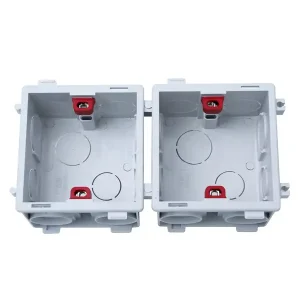
Used to protect cable connections in residential, commercial, and industrial wiring systems.
Wall-mounted
Surface-mounted
Outdoor waterproof versions
Often certified to UL standards
Available as flame-retardant plastic enclosure models
Also known as a plastic control panel enclosure, these are designed to house industrial control systems.
PLC controllers
HMI panels
Power relays
Factory automation equipment
Common in industrial plastic enclosures applications
Used for modular electrical devices mounted on standard DIN rails.
Circuit breakers
Timers
Signal converters
Compact electronics plastic enclosure formats
Designed for portable instruments and electronic project enclosure use.
Measurement devices
Scanners
Remote controllers
Small plastic enclosures electronics enclosure box
Clear plastic enclosures for electronics for visual inspection
Built for harsh environments with reinforced sealing and structure.
UV resistance
Rain, dust, and snow protection
High-temperature tolerance
Often with a hinged cover design
Large electronic enclosures plastic cabinets for power distribution and automation systems.
Energy storage systems
Control cabinets
Industrial panels
Heavy-duty electronics plastic enclosure solutions
Selecting the correct plastic material is essential for ensuring the durability, safety, and regulatory compliance of plastic electronic enclosure boxes. The right material directly impacts resistance to heat, impact, chemicals, dust, and long-term performance in both indoor and outdoor use environments.
Whether protecting delicate PCB enclosure plastic, electronic instrument enclosure, or switch box plastic enclosure, material choice defines enclosure reliability.
Widely used for indoor plastic electronics enclosures due to its balance of performance and cost.
Excellent impact resistance
Smooth surface finish
Easy to mold for complex custom plastic electrical housings
Cost-effective for mass production
Ideal for wiring protection and general electrical components
Limitations: Lower UV and heat resistance, not ideal for prolonged outdoor use.
Considered a premium material for demanding industrial and equipment protection.
Extremely high impact and heat resistance
Available in transparent and tinted versions
Excellent flame-retardant performance
Ideal for rugged electronic instrument enclosures and device protection
Common in enclosures requiring strict NEMA ratings
Used in automation systems, power distribution, and harsh environment applications.
Used for custom plastic enclosures for electronics requiring balanced properties.
Improved thermal stability
Good impact resistance
Excellent molding performance for complex designs
High moisture and chemical resistance
Lightweight structure
Suitable for corrosive environments and wash-down areas
Critical for electrical safety compliance in plastic electronics enclosures:
FR-ABS
FR-PC
Glass-fiber reinforced nylon
High mechanical strength
High temperature resistance
Suitable for load-bearing industrial enclosure component structures
To ensure long-term safety, performance, and legal compliance, plastic electrical enclosures are designed to meet strict international standards. Whether used as a small plastic electronics enclosure, a handheld electronic enclosure, or a large rack-mount plastic enclosure, certification confirms that the enclosure is durable, reliable, and suitable for real-world operating environments.
IP ratings define protection against dust and water for non-metallic enclosures.
IP54 – Dust and splash resistant for indoor control systems
IP65 – Fully dustproof electrical enclosure with water jet protection
IP67 – Temporary water immersion
IP68 – Continuous submersion for extreme applications
These levels are essential for outdoor wiring systems, sensor housings, and electrical terminal enclosure installations.
NEMA standards focus on mechanical strength and environmental protection.
NEMA 1 – Indoor protection
NEMA 3R – Outdoor rainproof
NEMA 4 / 4X – Waterproof and corrosion resistant
NEMA 6 – Submersible
Many UV-resistant plastic enclosure designs are built to meet NEMA 4X for long-term outdoor exposure.
Fire resistance is critical in small plastic and industrial enclosures.
UL94 V-0 – Highest fire resistance
UL94 V-1, V-2 – Controlled flame performance
UL Listed
CE
RoHS
REACH
Modern enclosures often include integrated mounting plates, secure latch systems, and sealed structures to meet global certification requirements for commercial and OEM markets.
Injection Molding: The Industry Standard
Plastic injection molding is the core production method for custom plastic enclosures for electronics due to its precision, efficiency, and scalability. Compared with steel fabrication, injection molding delivers lighter, more reliable, and cost-effective housing solutions, especially for wall-mount electrical enclosures, hinged lid plastic enclosures, and tamper-resistant plastic enclosure designs.
This process is widely used for producing plastic enclosures for electronics, heavy-duty industrial cabinets that must withstand harsh environmental and corrosive conditions. Materials such as PC and ABS ensure long-term durability and electrical insulation.
Plastic resin is heated and melted
Molten material is injected into the electronic enclosure plastic mold
Cooling and solidification inside the mold cavity
Automatic ejection of the finished enclosure
Trimming, inspection, and dimensional verification
This method ensures consistent wall thickness, clean surface finish, and repeatable accuracy for mass production.
High-performance molds for plastic enclosures electronics require:
Uniform wall thickness
Proper draft angles for easy ejection
Gate and runner optimization
Effective venting design
Integrated screw bosses, clips, and latch structures
Precision gasket-sealed enclosure channels for waterproof performance
After molding, enclosures may undergo:
CNC drilling
Laser cutting
Silk-screen or UV printing
EMI shielding coating
Final assembly of seals, hinges, and hardware
These processes transform molded parts into fully functional, market-ready enclosure systems.
Professional enclosure design plays a critical role in ensuring the safety, durability, and long-term performance of enclosures for electronics. A well-designed injection-molded plastic enclosure not only protects internal components but also supports reliability in harsh external and industrial environments. From small plastic electronic enclosures to large industrial cabinets, every detail must align with real-world operating conditions.
The surrounding environment directly affects material selection and structure.
UV exposure for long-term outdoor use
Moisture and dust protection
Chemical contact in industrial facilities
Extreme temperature fluctuations
Often designed to meet NEMA 4X standards
Required for corrosion-resistant electrical box applications
Proper thermal management is essential for smart device enclosure casing and control systems.
Vent slots
Filter membranes
Heat sink integration for active electronics
Used in plastic waterproof enclosures for electronics and sensor enclosure plastic designs.
Rubber gaskets
Overmolded seals
Ultrasonic welding for permanent sealing
Ensures mechanical durability in demanding applications.
Internal rib reinforcement
Thickened mounting points
Shock absorption structure
Critical for signal-sensitive systems.
Conductive coatings
Metal inserts
EMI gaskets
Improves assembly efficiency and serviceability.
DIN rail mounts
Wall-mount brackets
Snap-fit designs
Tool-free assembly
All modern designs must also consider RoHS-compliant enclosures requirements, ensuring that approved plastics for electronic enclosures meet global environmental and safety regulations.
For OEMs and product manufacturers, a custom plastic electronics enclosure offers unmatched flexibility, performance, and branding potential. Compared with metal housings, an electronic plastic enclosure is lighter, more impact-resistant, corrosion-free, and easier to adapt for both indoor and outdoor use.
From small plastic enclosures for electronics to large industrial cabinets, customization allows each enclosure to be engineered precisely for its electric device and operating harsh environment.
Modern electronics enclosures plastic solutions are widely used in automation, energy, medical, and telecom equipment enclosure systems. With advanced tooling, injection-molded plastic electronic enclosures deliver high precision, durability, and mass-production efficiency.
Perfect structural fit for internal electronics
Optimized airflow and waterproof sealing
Embedded branding, logos, and product identity
Integrated mounting features and cable routing
Reduced assembly parts and fast installation
Improved overall product appearance and user experience
Fully resistant to corrosion, moisture, and vibration
Material selection: ABS, PC, Nylon, flame-retardant plastics
Color matching for brand identity
Surface textures (matte, gloss, anti-slip)
Transparent windows for inspection
Custom cable entry holes and glands
Custom ports and knockout designs
Logo embossing or laser marking
Professional enclosure manufacturers provide complete OEM & ODM services:
OEM production based on customer drawings
ODM structural design and product development
DFM optimization for stable mass production
Rapid prototyping and 3D sampling
Precision tooling development
Large-volume manufacturing with strict quality control
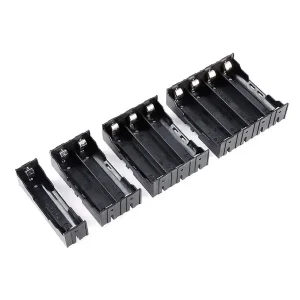
These services support a wide range of products such as power supply enclosure boxes, control panels, and battery enclosure plastic systems.
Waterproof designs are essential for outdoor applications and severe industrial environments. Depending on exposure level, enclosures may comply with NEMA 1 (basic indoor protection) or NEMA 4 (waterproof and wash-down protection).
Key Design Features
Silicone or rubber gaskets
Tight screw compression
Overmolded sealing structures
IP65–IP68 waterproof ratings
UV-resistant materials
Built-in drainage designs
Typical Applications
Outdoor lighting systems
Solar power installations
Marine electrical equipment
Construction site control panels
Agricultural electrical systems
Fire safety is non-negotiable for electrical systems.
Why Flame Retardancy Matters
Prevents fire spread
Protects internal electronics
Complies with strict safety regulations
Reduces operational and insurance risks
Common Flame-Retardant Materials
FR-ABS (UL94 V-0)
FR-PC
Glass-filled flame-retardant nylon
Strict quality control is essential to ensure that high-quality and customizable electrical enclosures perform reliably in real-world conditions. Whether producing a small junction box, a surface mount enclosure, or a transparent lid plastic enclosure, manufacturers apply rigorous testing to verify that products meet safety, durability, and performance requirements. Because plastic enclosures are designed to protect sensitive components, every inspection step is critical.
For plastic enclosure electronics, plastic electronic project box enclosures, and plastic electronics enclosure project box applications, quality testing ensures that enclosures provide consistent protection for devices used in industrial, commercial, and consumer markets. Enclosures used for plastic enclosures for electronic instruments must also meet higher accuracy and stability standards.
Dimensional accuracy inspection to ensure a perfect fit and assembly
IP waterproof testing, including protection for 4 and 4X-rated enclosures
Flame-retardant testing for fire safety compliance
Impact resistance testing to verify mechanical strength
Heat aging testing for long-term thermal durability
UV resistance testing for outdoor exposure performance
Salt spray testing for corrosion resistance
Electrical insulation testing to confirm safe operation
Through these quality control processes, manufacturers ensure that every plastic enclosure electronics product delivers stable performance, safety, and long service life across demanding applications.
As electrical systems become smaller, smarter, and more widely used in the toughest environments, plastic electrical enclosures are no longer just an option—they are now the global standard for modern protection. From dry indoor control rooms to wet, dusty, and even marine environments, advanced plastic for electronics enclosure solutions delivers unmatched performance and reliability.
The unique combination of electrical insulation, flame retardancy, waterproof sealing, lightweight structure, and unmatched flexibility makes plastic ideal for protecting sensitive electronics. Whether it is a thermostat, sensor system, power module, or low-voltage electrical enclosure, plastic outperforms traditional metal in corrosion resistance, safety, and design freedom.
From compact small plastic enclosures for electronics to large industrial control box enclosure systems, plastic solutions meet the demands of automation, renewable energy, telecommunications, medical equipment, consumer electronics, and smart infrastructure. Well-known solutions such as polycase plastic electronic enclosures further demonstrate the industry’s shift toward durable, customizable plastic designs.
For manufacturers and OEMs, investing in custom plastic electrical enclosures means improved product reliability, stronger branding, faster development cycles, and greater long-term competitiveness. As technology continues to evolve, plastic enclosures will remain the foundation of safe, reliable, and future-ready electrical protection.