Email: keenhu@lztooling.com | Whatsapp/Wechat/Phone: +86 134 1694 6882

Custom dashboard panel with LTC Plastic, with design and engineering support, DFM, OEM, ODM, mold making, post-finishing and shipment support
The custom dash panel has evolved far beyond a basic control interface inside a vehicle. Today, it represents a sophisticated fusion of dashboard product design, advanced materials, human–machine interaction, brand identity, and strict safety standards. Whether in passenger cars, commercial trucks, electric vehicles, or specialty equipment, the automotive dashboard panel plays a central role in both functionality and visual appeal.
A well-engineered custom car dashboard enhances driver comfort, improves control accessibility, and elevates the overall car interior dashboard experience. Modern vehicle dashboard trim is no longer limited to aesthetics—it also integrates digital displays, smart sensors, climate controls, and safety systems into one seamless custom instrument panel.
As consumers demand more personalised interiors, suppliers are pushing forward with lighter materials, modular structures, and intelligent surface finishes.
From sleek luxury interiors to rugged off-road applications, the dash panel is now a key branding element as well as a functional core of the cockpit. With rapid innovation in electric vehicles and smart mobility, the global demand for advanced custom dashboard panel solutions continues to rise, reshaping how drivers and passengers interact with modern vehicles.
A custom dashboard panel is a specially engineered control and display surface installed inside a vehicle or industrial equipment, designed to meet specific functional, aesthetic, and structural requirements. Unlike off-the-shelf dashboards, custom dash panels are tailored to precise dimensions, control layouts, and branding goals. They are commonly produced as a molded dashboard panel using advanced custom dashboard molding technologies to ensure accuracy, strength, and long-term durability.
Most modern designs rely on an injection-molded dashboard, allowing manufacturers to create complex shapes, integrated mounting points, and smooth surface finishes in a single process. The result is a high-performance plastic dashboard panel that combines lightweight construction with excellent impact resistance, heat stability, and surface quality.
The outer dashboard fascia panel serves as the visual and functional face of the cockpit, housing critical systems while maintaining a refined appearance.
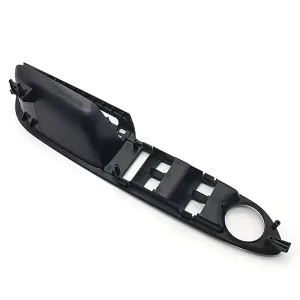
A typical automotive interior panel integrates essential components such as instrument clusters, digital screens, switches, air vents, HVAC controls, infotainment systems, warning indicators, and decorative trims. In addition to the main structure, protective custom dashboard covers and custom dash covers can be added as an optional layer for enhanced protection, UV resistance, and wear reduction—especially in commercial or off-road applications.
Customization gives manufacturers and vehicle owners full control over layout, material selection, color, texture, lighting, branding, and surface treatments. Whether for passenger cars, trucks, electric vehicles, or specialty equipment, a custom dashboard panel is not just a design feature—it is a functional command center that enhances usability, safety, comfort, and interior identity.
The dashboard is one of the most complex and functionally critical interior systems in any vehicle. A well-designed custom panel does far more than hold instruments—it directly affects safety, comfort, branding, and overall driving performance. Whether it’s an OEM dashboard panel or a new custom dash panel, precision engineering and perfect fit are essential.
A properly engineered vehicle instrument panel ensures clear visibility, fast recognition, and reduced distraction. A high-quality dashboard housing and dashboard bezel secure sensitive components while maintaining structural stability. Thoughtful placement of gauges, alerts, and controls allows drivers to react quickly in emergencies. Protective dashboard cover panels also help reduce glare and surface wear, improving long-term safety.
Modern vehicles rely heavily on digital technology. Precision-built custom dashboard parts allow optimized touchscreen angles, intuitive button placement, and ergonomic hand reach. When the layout is engineered correctly, it reduces driver fatigue and creates a smoother, safer user experience.
Automakers use the dashboard as a visual signature. Through custom car interior trim, unique surface textures, premium finishes, and tailored color options, each brand can create a distinct interior identity. A custom dash is no longer just functional—it is a powerful branding tool.
From climate control to navigation and advanced driver systems, the dashboard serves as the vehicle’s command center. A precision-built OEM dashboard panel offers full integration of electronics, controls, and safety systems in one unified structure, delivering both performance and design excellence.
Today’s suppliers don’t just manufacture dashboards—they offer fully integrated custom panel solutions that combine safety, innovation, and visual impact into one seamless interior system.
Material selection plays a decisive role in the strength, appearance, safety, and service life of every custom dashboard panel. For any dashboard panel supplier or dashboard panel factory, choosing the right material ensures the final product can install easily, perform reliably, and support long-term upgrade options for each vehicle model.
The ABS dashboard panel remains one of the most widely used options in automotive interior production. It is lightweight, cost-effective, and offers excellent impact resistance. ABS is easy to mold into complex shapes, making it ideal for textured dashboard panels and illuminated dashboard panels with integrated lighting features.
Polycarbonate is chosen for high-transparency applications such as display windows and lighting lenses. It delivers outstanding heat resistance and impact strength, making it suitable for advanced digital dashboard systems.
This hybrid material balances the rigidity of PC with the flexibility of ABS. It is widely applied in modern interior trims, offering strength, surface quality, and dimensional stability in one solution.
PP is valued for its chemical resistance, light weight, and fatigue durability. It is commonly used for structural dashboard components and internal support frames.
A soft-touch dashboard panel enhances comfort and tactile quality. TPU dashboard covers provide a rubber-like feel, anti-slip protection, and premium surface finishes for luxury interiors and protective accessory applications.
High-performance applications such as racing, aviation, and industrial control systems often use aluminum or fiberglass composites for superior rigidity, heat resistance, and weight control.
By selecting the right material combination, manufacturers can deliver dashboards that meet aesthetic demands, functional requirements, and long-term durability across all automotive and industrial applications.
Developing a custom dashboard panel is a highly technical, data-driven process that combines precision engineering, ergonomic principles, and aesthetic design. Whether creating a custom speedometer panel, center dashboard panel, or a full dashboard air vent panel, the goal is to ensure perfect fit, functionality, and visual appeal in the interior of your car.
Engineers begin by gathering detailed measurements of the target vehicle model, including mounting points, structural framework, steering column placement, HVAC duct routing, and wiring harness layout. This step ensures that the dashboard panel replacement will align seamlessly with all existing components and interfaces.
Using advanced software such as SolidWorks, CATIA, or UG NX, designers create precise 3D models of the dashboard assembly. This includes structural frames, surface contours, dashboard trim molding, control layouts, and display positioning. The goal is to customize each element so it integrates perfectly with the vehicle’s interior trim and overall style.
Digital human models simulate hand reach zones, sight lines, seat positioning, and safety angles. This ensures that buttons, displays, and the custom speedometer panel are intuitively placed, reducing driver fatigue and improving operational efficiency.
Prototypes are produced using CNC machining, 3D printing, or vacuum casting. These allow designers and engineers to validate dashboard panel design, evaluate surface textures—including wood and plastic finishes—and fine-tune any areas requiring adjustment before final production.
Final prototypes undergo rigorous testing for vibration resistance, structural rigidity, button durability, heat deformation, and electrical interference. Only after passing these tests can the best custom dashboard panel be approved for production, ensuring it fits perfectly, functions reliably, and enhances the aesthetics of the interior of your car.
The production of custom dashboard panels depends on the material, design complexity, and production volume. Modern manufacturing techniques ensure that each panel, from a digital instrument cluster housing to a full car dashboard shell, meets high standards of precision, durability, and aesthetic appeal.
Injection molding is the most widely used method for producing interior plastic car parts and dashboard frame panels. It offers high precision, excellent repeatability, and cost-effectiveness for medium to high-volume production. Injection molding also supports complex geometries, enabling dashboard panel customization with integrated vents, mounts, or decorative surfaces that are easy to install.
This technique is ideal for thick rubber, composite, or specialty velour surfaces. It allows manufacturers to create robust, high-strength panels that can restore worn dashboards or produce premium tactile finishes in custom applications.
Vacuum forming is used for low-volume, large-area shells. It is particularly suitable for lightweight car interior panel supplier projects where fast turnaround and flexible design adjustments are needed.
CNC machining is employed for aluminum, prototype dashboards, and high-performance racing dashboards. This method produces highly accurate panels and components that fit precisely during installation, including digital instrument cluster housing and intricate dashboard frame panels.
By combining these techniques, manufacturers can deliver panels that are both functional and visually appealing. From dashboard panel customization for modern vehicles to interior plastic car parts that restore and upgrade older models, the production process ensures a perfect fit, durability, and seamless integration with the vehicle’s car dashboard shell.
The surface finish of a dashboard panel defines both aesthetic appeal and perceived quality. For luxury car dashboard panels, EV dashboard panels, or standard vehicles, finishing techniques allow manufacturers to personalize the car interior fascia and deliver a premium look and feel.
Common surface treatments include:
Texture Etching – Adds grip and visual depth
Paint Coating – Enhances color, gloss, and durability
Soft-Touch Overmolding – Provides a premium tactile feel
Film Lamination – Offers decorative patterns and wear resistance
IMD (In-Mold Decoration) – Integrates graphics or patterns during molding
IML (In-Mold Labeling) – Adds durable labels or logos directly to the surface
Laser Engraving – Creates precise markings or branding
Chrome Plating – Gives metallic accents for luxury interiors
These processes improve scratch resistance, UV protection, anti-fade performance, and tactile comfort. They also enable updates to interior styling or functional features. Properly executed during dashboard panel tooling, each panel achieves a flawless fit and finish, ensuring that it enhances both usability and the overall interior design of the vehicle.
When selecting a dashboard panel manufacturer, several key factors ensure high-quality, reliable production for both prototypes and dashboard panel mass production.
Automotive Experience – Look for suppliers with a proven track record in automotive cockpit module design and manufacturing.
In-House Tooling & Prototyping – A capable manufacturer can produce accurate dashboard panel prototypes and efficiently scale to made-to-order production.
Injection Molding Capacity – Ensure the factory can handle complex parts with precise dimensions and consistent quality.
Material & Surface Expertise – Expertise in plastics, suede, and composite materials allows for durable finishes. Advanced dashboard surface finishing, including dashboard panel coating, dashboard panel painting, and overmolding, can enhance both tactile feel and visual appeal.
Quality Control & Testing – OEM-level inspection ensures structural integrity, safety, and reliable functionality.
Global Logistics Stability – A reliable supply chain guarantees timely delivery and consistent production for long-term projects.
By partnering with the right manufacturer, you gain access to feature-rich, customizable dashboards that perfectly fit your vehicle’s interior design while providing durability, aesthetic appeal, and consistent performance throughout their lifecycle.
The dashboard panel assembly has evolved far beyond a structural interior component—it now serves as the functional heart, digital control hub, and visual identity centerpiece of modern vehicles. From passenger cars and trucks to electric vehicles, heavy machinery, and industrial systems, high-quality custom automotive interior parts directly influence safety, usability, branding, and overall driver satisfaction.
Manufacturers and designers rely on experienced dashboard component suppliers and automotive dashboard OEMs to deliver precision-engineered solutions. Advanced technologies in car interior injection molding factories, innovative materials, lightweight engineering, and digital interface integration ensure that each dashboard panel assembly meets exacting standards of durability, functionality, and aesthetic appeal.
Global demand for custom dashboards continues to rise, making dashboard panel export an important consideration for manufacturers seeking international markets. By investing in cutting-edge design, advanced molding processes, premium surface finishing, and stringent quality control, suppliers can deliver custom automotive interior parts that enhance both form and function.
Whether developing a new vehicle model, upgrading interiors, or launching an aftermarket program, partnering with a professional automotive dashboard OEM or experienced dashboard component supplier is a critical step toward long-term success and a premium in-car experience.