Email: keenhu@lztooling.com | Whatsapp/Wechat/Phone: +86 134 1694 6882

Custom automotive injection molding with LTC Plastic, with design and engineering support, DFM, OEM, ODM, mold making, post-finishing and shipment support
The modern automobile is no longer dominated by metal alone. Today, the automotive industry relies heavily on advanced plastic materials to deliver lighter weight, improved fuel efficiency, enhanced safety, and greater design flexibility.
At the core of this transformation is the automotive injection mold process, which enables the mass production of high-precision injection molded plastic parts used throughout every vehicle.
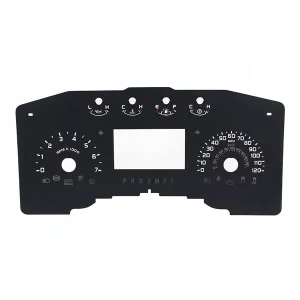
From interior trims, dashboards, and door panels to exterior styling elements and functional under-the-hood components, automotive plastic injection molding supports nearly every automotive part category. This high-efficiency process allows manufacturers to produce complex automotive molded components with consistent quality, tight tolerances, and excellent durability.
As a result, car plastic parts manufacturing and auto parts injection molding have become essential to modern vehicle production.
Each molded part is engineered to meet strict performance, safety, and longevity requirements. With the growing demand for electric vehicles, smart interiors, and lightweight structures, automotive plastic injection molding continues to evolve as a key driver of innovation in the global automotive supply chain.
Automotive injection molding is an advanced molding process used to manufacture high-precision, high-volume plastic components for a wide range of automotive applications. In this injection molding process, thermoplastic materials are heated until molten and then injected under high pressure into a precisely engineered mold. Once cooled and solidified, the finished molded plastic product is ejected with exceptional accuracy, surface quality, and consistency.
This injection-molding technology is widely adopted by global automotive manufacturers because it supports fast production cycles, stable quality, and excellent part-to-part uniformity. Leading injection molding companies rely on this process to produce complex automotive components that meet strict dimensional, mechanical, and safety requirements.
From structural housings and under-the-hood assemblies to interior trim and electronic enclosures, injection-molded parts are used across nearly every vehicle system. Modern vehicles contain hundreds or even thousands of molded car parts, covering functional, decorative, and safety-critical roles.
What makes this process especially valuable to the automotive sector is its ability to combine design flexibility, material versatility, and cost efficiency at scale. As lightweighting, electrification, and smart vehicle technology continue to shape the industry, injection molding remains a core production method for next-generation automotive solutions.
The modern automotive industry demands extreme standards in performance, durability, safety, and cost control. To meet these requirements, automotive OEMs increasingly rely on automotive injection molding companies and professional injection molding services to produce high-quality auto parts at scale.
By using advanced plastic materials, manufacturers can create strong, lightweight, and cost-efficient vehicle plastic components for every vehicle system.
Compared with metal, injection-molded plastic is significantly lighter. By replacing heavy components with plastic injection molded structures, automakers can effectively reduce overall vehicle weight, improving:
Fuel economy in traditional vehicles
Driving range in electric vehicles (EVs)
Emissions compliance for global markets
As a result, plastic car parts now dominate many structural and decorative functions.
Through precision automotive molding and advanced automotive polymer molding, manufacturers achieve micron-level dimensional accuracy required for:
Sensor housings
Electrical connectors
ADAS system components
Battery modules
This level of precision ensures reliability and safety in demanding automotive environments.
With automotive thermoplastic molding and automotive custom molding, complex shapes and integrated functions become possible, including:
Snap-fits, clips, and sealing ribs
Surface textures and branding features
Color integration without secondary painting
This flexibility supports both engineering performance and visual design across interior automotive plastic parts and exterior trim.
Once tooling is established, automotive plastic fabrication through injection molding delivers extremely low per-part cost at high volumes—making it the most economical solution for large-scale automotive production.
Understanding the automotive injection molding process helps explain why injection molding is used so widely by original equipment manufacturers and suppliers across the global automotive sector. This highly controlled method ensures fast production, repeatable quality, and precise parts and components for every vehicle system.
The process begins with choosing the right injection molding materials based on strength, heat resistance, chemical stability, and durability requirements. Many thermoplastics used in thermoplastic injection molding must be carefully dried to eliminate moisture before processing. This step is critical for preventing surface defects and ensuring strong injection molded plastic parts.
The dried plastic pellets are fed into a heated barrel. A rotating screw applies heat and friction, turning the solid resin into smooth, uniform molten plastic ready for injection.
The molten plastic is injected into a closed mold cavity under high pressure. This allows the material to fill even the most complex mold features with extreme accuracy. This stage defines the final shape of the automotive parts and components.
Once inside the mold, the plastic cools under controlled temperature conditions. The material solidifies into its final shape while maintaining tight dimensional tolerances.
Ejector pins push the finished part from the mold. The cycle then repeats immediately, enabling high-speed production for automotive OEM programs. By using injection molding, manufacturers achieve consistent output, high efficiency, and scalable production.
Cycle times typically range from a few seconds to under one minute, depending on part size, wall thickness, and material type.
Material selection plays a decisive role in determining the performance, durability, appearance, and cost of molded car components. In both high-volume automotive molding and custom automotive plastic injection molding, each resin is chosen to match specific functional and environmental requirements.
ABS is widely used in dashboard injection molding, automotive trim molding, and plastic instrument panel molding because it offers:
Excellent surface finish
Strong impact resistance
Good rigidity
Cost efficiency for mass production
It is a preferred material for interior applications where appearance and toughness are equally important.
PP is one of the most common plastics used in car bumper injection molding, automotive air vent molding, and interior panels. It is valued for:
Lightweight properties
Chemical resistance
Fatigue durability
Low material cost
This makes it ideal for both exterior automotive plastic parts and internal airflow systems.
Nylon is essential for under-the-hood plastic components, such as:
Engine covers
Intake manifolds
Gears and fasteners
It delivers excellent heat resistance, high mechanical strength, and outstanding wear performance.
PC is widely applied in automotive lighting plastic parts, transparent covers, and optical lenses due to its:
Exceptional impact resistance
High optical clarity
Dimensional stability
These materials are commonly used in automotive connector molding and sensor housings for their:
Heat resistance
Electrical insulation
Long-term dimensional stability
TPU, TPE are used for seals, gaskets, soft-touch surfaces, and vibration dampers, offering flexibility, elasticity, and comfort.
Often combined with insert molding, these materials deliver high structural strength while maintaining lightweight performance—ideal for load-bearing molded car components.
With the rapid growth of global automotive production, advanced injection molding technology has become essential for manufacturing high-performance, lightweight, and cost-efficient vehicle parts. From interior to exterior and electronic systems, injection molding enables mass-producing plastic components that meet strict automotive standards.
Today’s parts manufacturer relies heavily on automotive tooling and molding, custom auto injection molds, and multi-cavity automotive molds to supply every major vehicle platform.
Modern automotive interior systems demand both aesthetics and durability. Using custom plastic materials and precision molds, manufacturers produce:
Dashboards
Door panels
Center consoles
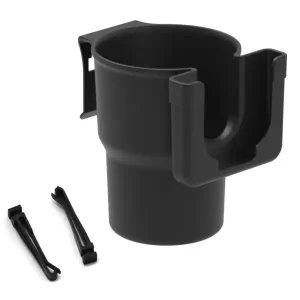
Cup holders
Seat components
HVAC vents
These parts define the comfort, style, and usability of every injection-molded car.
Exterior plastic parts must withstand weather, impact, and UV exposure. Injection molding allows consistent shaping and high-strength performance for:
Bumpers
Grilles
Mirror housings
Fender liners
Spoilers
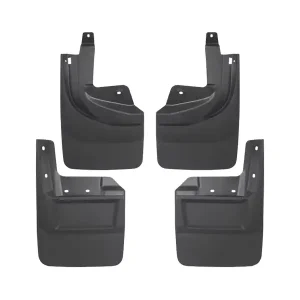
Through automotive tooling and molding, exterior components achieve both structural strength and modern design flexibility.
High-temperature and chemical-resistant plastics are used to produce critical functional assemblies, including:
Engine covers
Intake manifolds
Battery housings
Fluid reservoirs
Air ducts
These parts demand high precision and durability under extreme operating conditions.
Injection molding supports the protection and insulation of sensitive electronic systems, such as:
Sensor housings
Control module enclosures
Wire connectors
Fuse boxes
For electric vehicles, injection molding plays a growing role in producing:
Battery modules
Charging connectors
Thermal management parts
Power electronics enclosures
With scalable output and tight tolerances, injection molding remains the backbone of modern automotive manufacturing.
In the automotive manufacturing process, the mold itself is the most critical and cost-intensive element. High-performance automotive mold manufacturing directly determines the accuracy, durability, and surface quality of every injection-molded part.
From interior components to structural body panels and functional door handles, high-quality tooling is essential to ensure performance, safety, and long-term reliability—while also supporting vehicle lightweighting for improved fuel efficiency.
Different mold structures are selected based on production scale and part complexity:
Single-cavity molds – Ideal for large or low-volume parts
Multi-cavity molds – Designed for mass production of small, high-volume components
Family molds – Used to mold multiple related parts in one cycle
Hot runner molds – Reduce material waste and shorten cycle times
Advanced processes such as insert molding for automotive, overmolding automotive parts, and automotive two-shot molding further expand functional design possibilities.
Tool material selection directly affects mold life and part precision:
Hardened tool steel (P20, H13, S136) for long production runs
Aluminum for rapid prototyping and short-run tooling
Through precision mold making for automotive, engineers focus on:
Gate location
Uniform wall thickness
Cooling channel layout
Ejection system design
Shrinkage control
Weld line placement
These principles apply across ABS automotive injection molding, PP automotive plastic parts, nylon automotive injection molding, and PBT automotive molding.
High-quality tooling ensures longer mold life, stable part output, reduced scrap rates, and lower long-term maintenance costs.
In the global automotive supply chain, plastic injection molding automotive production must meet some of the strictest quality and safety requirements of any industry.
Because injection molding in automotive directly affects performance, safety, and reliability, every injection molding manufacturer must follow rigorous international standards to ensure consistent, defect-free output of automotive injection molded parts and automotive plastic parts used across a wide variety of automotive systems and parts for cars.
This is the core global quality management system for the automotive sector and replaces ISO/TS 16949. It ensures that injection molding techniques, process control, and continuous improvement are standardized across automotive production worldwide.
ISO 9001 provides the foundation for general quality management systems. It ensures that injection molding expertise, documentation, traceability, and customer satisfaction processes are fully controlled within plastic injection molding applications.
PPAP verifies that production automotive injection molded parts fully meet OEM engineering drawings, performance requirements, and functional specifications before mass production begins.
IMDS tracks material composition to ensure environmental compliance for every high-quality plastic used in automotive manufacturing.
Modern OEMs demand full production traceability and zero-defect targets. Injection molding allows manufacturers to maintain digital records, batch tracking, and real-time quality monitoring throughout the entire production cycle.
Although injection molding offers powerful advantages for applications in the automotive industry, it also presents several technical and operational challenges.
As injection molding is a manufacturing method built on precision and repeatability, any weakness in control can directly affect the quality of automotive injection-molded parts. For every automotive plastic injection molding company, managing these risks is essential to consistent success in the competitive auto industry.
Key challenges include:
High upfront mold costs, especially for multi-cavity and complex tools
Long tooling development cycles can slow product launches
Strict tolerance and surface finish requirements, especially for visible plastic decorative elements
Material price volatility, especially for specialty resins
Complex regulatory compliance, including environmental and safety standards
High customer audit and documentation demands from OEMs and Tier 1 suppliers
During the production phase, melted plastic must flow evenly and cool precisely to avoid defects in molded plastic parts. This becomes even more demanding when working with glass-filled nylon automotive parts, heat-resistant automotive plastics, and lightweight automotive plastic materials, which require narrow processing windows.
Successful injection molder teams rely on:
Advanced simulation software to optimize tooling and material flow
In-house mold design and engineering for faster development
Smart manufacturing systems for real-time monitoring
Robust quality control for stable, repeatable output when producing plastic parts at scale
Because injection molding is one of the most critical production methods in modern vehicle manufacturing, only companies with strong technical capability, process control, and material expertise can meet today’s automotive performance and reliability expectations.
The rapid global shift toward electric mobility is transforming the automotive supply chain and placing new technical demands on injection molding.
As EV platforms evolve, every automotive OEM plastic supplier, Tier 1 automotive plastic supplier, and Tier 2 automotive molding supplier must meet higher standards for safety, performance, and lightweight design. Injection molding now plays a central role in enabling efficient, scalable, and compliant EV manufacturing.
Electric vehicles rely heavily on advanced polymers to support both structural and electronic systems, including:
Lightweight battery housings made from high-strength automotive polymers
High-voltage connector systems produced with flame retardant automotive plastics for fire safety
Thermal management components are designed to withstand continuous heat exposure
Insulated electronic enclosures for power control units and inverters
UV-resistant automotive plastics for long-term exterior and underbody protection
Compared with internal combustion vehicles, EVs contain a higher density of electronic systems, sensors, and battery-related assemblies. This increases the need for precision-molded, fire-safe, and electrically insulated plastic parts produced through injection molding.
Injection molding allows EV manufacturers to achieve lightweighting, part integration, and high-volume scalability at competitive cost. Complex geometries, integrated cooling channels, and reinforced structures can all be formed in a single molding cycle.
As electric vehicles continue to dominate future automotive production, injection molding will remain a core manufacturing technology—connecting material innovation, safety compliance, and efficient mass production across the entire EV supply ecosystem.
As the use of plastic continues to expand across every vehicle platform, selecting the right manufacturing partner has become a critical decision for global automakers and Tier suppliers. Since molding is a manufacturing process that directly affects product quality, lead time, and cost, choosing a qualified supplier can determine the long-term success of an entire vehicle program.
Today, injection molding has become a core production method within global automotive injection molding supply chains.
When evaluating an automotive plastic parts factory or overseas partner, such as an automotive plastic manufacturer China, buyers should carefully assess the following capabilities:
Proven automotive industry experience
IATF 16949 certification for automotive quality management
In-house mold design and tooling development
Strong material engineering and application knowledge
Advanced process control and smart manufacturing systems
Precision quality inspection equipment
Reliable global logistics and delivery support
Strong OEM and Tier-1 customer references
Capability as an automotive plastic export supplier
These factors ensure the supplier can support both prototype development and high-volume mass production.
A qualified automotive injection molding partner delivers:
Stable long-term production consistency
Shorter development and tooling cycles
Lower defect rates through strong quality control
Better cost control through optimized processes and material selection
With the right partner in place, manufacturers gain not only production capacity but also engineering support, supply chain stability, and long-term competitiveness in the global automotive market.
Automotive injection molding is no longer just a basic plastic forming method—it has become a core manufacturing technology that drives performance, efficiency, safety, and continuous innovation in modern vehicles. From traditional internal combustion models to advanced electric and autonomous platforms, manufacturers also use injection molding to produce a vast range of precision plastic components.
Whether selecting the right material for your automotive applications or developing complex multi-functional parts, injection molding delivers unmatched flexibility and production efficiency. Today’s suppliers operating under ISO certified automotive molding and IATF 16949 automotive molding standards ensure consistent quality, full traceability, and global compliance across the entire automotive supply chain.
With its proven ability to deliver lightweight structures, superior dimensional accuracy, high-volume scalability, cost efficiency, and advanced material performance, injection molding continues to outperform many alternative manufacturing methods.
Its importance is even greater in the fast-growing electric vehicle sector, where electric vehicle plastic parts molding supports battery systems, electronics protection, thermal management, and lightweight body structures.
As automotive technology continues to evolve toward electrification, intelligence, and sustainability, injection molding will remain one of the most critical production technologies shaping the future of global vehicle manufacturing.