
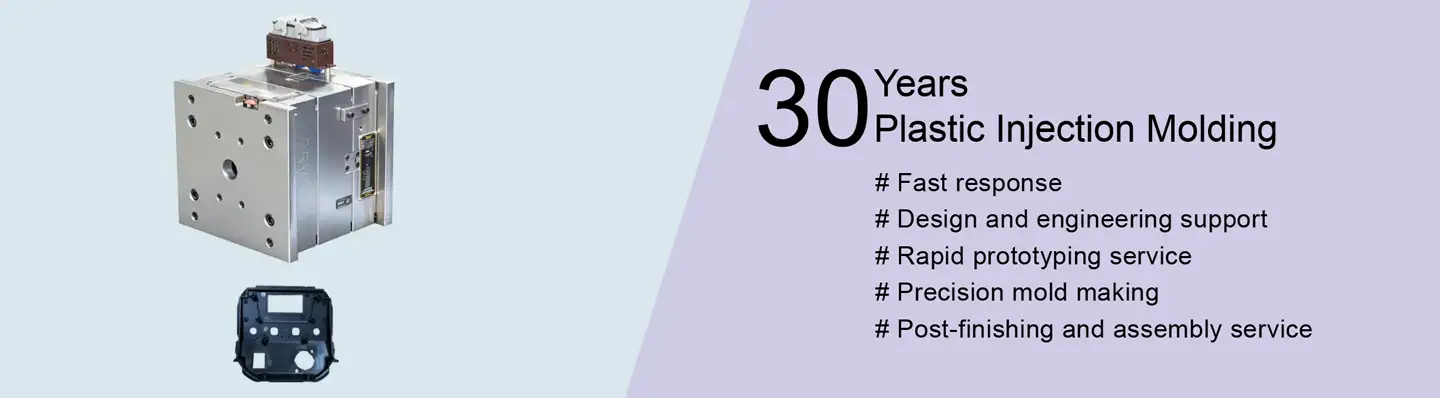
PFA injection molding continues to advance as one of the most critical processes for producing high-quality, high-performance fluoropolymer parts used across semiconductor, aerospace, chemical, and medical industries. As a melt-processable fluoropolymer, PFA (Perfluoroalkoxy) offers a unique combination of chemical resistance, high temperature durability, purity, and precision moldability unmatched by other plastics.
This comprehensive guide provides a deeper understanding of PFA injection molding, the process, material characteristics, tooling guidelines, equipment requirements, and how PFA compares to PTFE, FEP, ETFE, PVDF, and other fluoropolymers.
It explains how PFA products, PFA-engineered components, semiconductor-grade PFA parts, and PFA custom-molded parts are manufactured using specialized fluoropolymer injection molding technology.
What Is PFA (Perfluoroalkoxy)?
PFA is a perfluoroalkoxy polymer resin, part of the broader fluoropolymer family that includes PTFE, FEP (fluorinated ethylene propylene), ETFE, and PVDF. Unlike PTFE, which cannot be melt-processed, PFA is fully injection moldable. This allows manufacturers to use traditional injection molding methods to create complex shapes, precision features, tight tolerances, and ultra-clean components.

Characteristics of PFA Material
PFA offers an exceptional set of unique properties:
- High temperature resistance (continuous use between 260°C and 330°C)
- Melting temperature around 305°C
- Unmatched chemical resistance across acids, bases, and solvents
- Low friction surface and anti-stick performance
- High-purity PFA components suitable for semiconductor fabs
- Low permeability and high dielectric performance
- Excellent surface finish in molded products
Its combination of purity, stability, and melt-processability positions PFA as a top PTFE alternative material for industries requiring ultra-clean, corrosion-resistant plastic parts.
Why Choose PFA Injection Molding?
1. Advanced Moldability Compared to PTFE
PTFE must be processed via compression molding, sintering, or machining, whereas PFA injection molding enables:
- Thin walls
- Precise surface features
- Multi-cavity mold production
- Repeatable dimensions
- High-volume efficiency
This results in major cost savings, better production efficiency, and improved quality of the product.
2. Chemical Resistance and High Purity
PFA is used extensively for:
- Semiconductor fluid handling plastics
- Chemical-resistant PFA plastics
- Pharmaceutical processing components
- PFA tubing and fittings molding
- PFA food-contact grade parts
Its chemical-resistant nature ensures long-term durability even in the presence of corrosive chemicals.
3. High Temperature Stability
As a high-temperature PFA molding material, PFA tolerates:
- Constant use at 260°C
- Mold temperatures between 80°C and 120°C
- Melt temperatures between 305°C and 380°C
This high-performance fluoropolymer remains stable under thermal cycling, making it ideal for electronics, aerospace, and industrial heating applications.

PFA Injection Molding Process
The PFA injection molding process follows the principles of traditional injection molding, but with specialized parameters tailored to melt-processable fluoropolymers.
1. Preheat and Resin Preparation
PFA resin does not absorb moisture, so drying is unnecessary. However, preheat steps may be used to stabilize melt flow.
2. Melting Temperature and Heating Requirements
- Melt temperature: 360–380°C
- Melting point: approx. 305°C
- The heating temperature of the machine must be closely controlled to avoid PFA degradation.
3. Injection and Packing
Typical fluoropolymer parameters:
- Injection pressure: 800–1200 bar
- Holding pressure: 80–120 bar
- Holding time: 20–60 seconds
These ranges ensure precise cavity filling without cracking of the product.
4. Mold Needs and Mold Temperature
The design of the mold must consider:
- Fluoropolymer corrosion
- Hot runner system or cold runner system
- Venting and gating
- Temperature of the mold (80–120°C)
A well-balanced runner system and accurate temperature control ensure that the PFA flows uniformly into the cavity.
5. Cooling Process
PFA’s cooling time generally ranges from:
- 20–40 seconds, depending on size and shape
Optimized cooling prevents deformation and preserves molding quality.
6. Ejection
Due to low friction fluoropolymer materials, PFA parts eject cleanly without sticking.

PFA Mold Design Guidelines
Tool Materials
The mold (tool) must withstand:
- High temperature
- Corrosive fluoropolymers
- Long production cycles
Preferred materials include:
- High-grade stainless steel
- Nickel-based molds
- Corrosion-resistant tool steels
Hot Runner System and Cavity Design
A well-designed hot runner system maintains consistent melt temperature and flow balance.
The cavity must support uniform shrinkage and prevent part deformation.
Tolerances and Warpage Control
Because PFA undergoes high thermal expansion:
- Precision PFA injection molding uses tight tolerance strategies
- Cooling uniformity is crucial
- Mold flow simulation is recommended
This minimizes warpage, cracking, or quality variations.
Applications of PFA Injection Molded Parts
1. Semiconductor Industry
PFA is essential for:
- Semiconductor-grade PFA parts
- Ultra-clean PFA manufacturing systems
- High-purity PFA components
- Wafer cleaning equipment
- Chemical distribution tanks
Its low extractables and unmatched chemical resistance are ideal for ultra-pure environments.
2. Chemical Processing
PFA is widely used in:
- PFA chemical processing equipment
- Acid transfer systems
- PFA heat-stable components
- Corrosion-resistant plastic parts
Because PFA is used where failure cannot occur, it remains the gold standard for aggressive chemical contact.
3. Medical Applications
PFA for medical applications includes:
- Sterile lab components
- Microfluidic parts
- Anti-stick containers
- Transparent diagnostic valves
Its biocompatibility and purity outperform traditional plastics.

4. Aerospace and Defense
In aerospace, PFA is used for:
- High-performance wire coatings
- Chemical-resistant fluid parts
- Highly stable insulators
5. Electronics and Electrical
Used for:
- PFA electrical insulation parts
- High-voltage wire jackets
- RF components
Its dielectric stability surpasses many conventional plastics.
Comparisons: PFA, PTFE, FEP, ETFE, PVDF
PFA, PTFE, FEP, ETFE, and PVDF are widely used fluoropolymers, each offering unique strengths in chemical resistance, purity, flexibility, and heat performance. Understanding their differences helps engineers choose the right material for demanding applications in electronics, chemical processing, automotive components, and high-purity fluid systems.
| Property | PFA | PTFE | FEP | ETFE | PVDF |
|---|---|---|---|---|---|
| Injection moldable? | Yes | No | Limited | Yes | Yes |
| Melting point | ~305°C | 327°C | 260°C | 270°C | 170°C |
| Processing | Injection molding | Compression molding | Injection molding | Injection molding | Injection molding |
| Purity | Very high | High | High | Medium | Medium |
| Chemical resistance | Unmatched | Excellent | Excellent | Very good | Very good |
| Flexibility | High | Medium | High | Medium | Medium |
| Cost | Higher | Medium | Medium | Lower | Lower |
This shows why PFA and PTFE differ significantly in production processes. Unlike PTFE, PFA ismelt-processable, allowing for:
- complex geometries
- multi-cavity production
- faster cycle times
- lower tooling costs
The combination ofmoldable fluoropolymer solutions and precision injection forming makes PFA the superior option for engineered designs.
Quality Control in PFA Molding
High-end industries require stringent controls:
Material and Resin Inspection
- PFA resin suppliers must certify purity levels
- Batch traceability is required
- Contamination tests ensure semiconductor compatibility
In-Process Quality Checks
- Dimensional accuracy
- Dielectric tests
- Surface clarity
- Strength and mechanical performance
Final Assurance
- Packaging in cleanroom environments
- Ultra-clean PFA manufacturing workflow
- Ensuring long-term stability
These measures guarantee the final product meets the requirements of the product and its intended application.
PFA Processing Challenges
Even though PFA is a premium material, it presents challenges:
- Requires extremely high heating temperatures
- Sensitive to shear
- Demands corrosion-resistant molds
- Needs specialized injection molding machine configurations
- High material cost compared to standard plastics
However, when done correctly, it results in superior PFA injection molded parts with exceptional engineering value.
Conclusion
PFA injection molding is a powerful manufacturing method for creating high-performance fluoropolymer components with precision, purity, and long-term stability. Its advantages over PTFE, FEP, and other plastics make it the preferred choice for semiconductor, medical, chemical processing, electronics, and aerospace applications.
From perfluoroalkoxy molding principles to hot runner system engineering, temperature control, and mold design guidelines, PFA manufacturing requires deep expertise and specialized equipment. But the result is world-class products that stand up to demanding environments.