
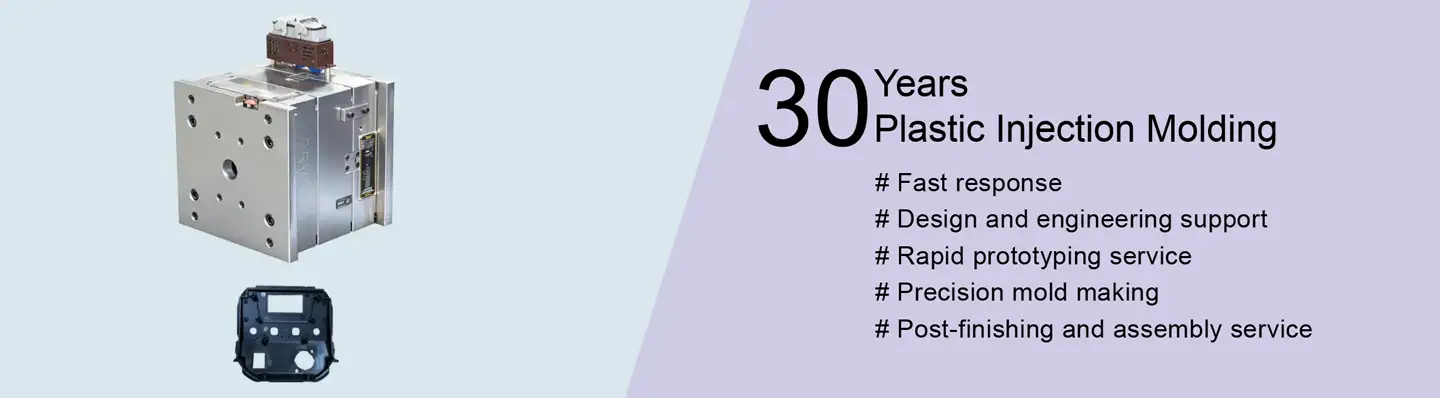
Injection molding plays a defining role in the modern automotive industry, shaping high-quality plastic parts, structural components, and precision assemblies used across nearly every category of vehicle manufacturing. Today, injection molding automotive parts are found in interior components, exterior parts, engine parts, EV systems, lighting elements, and safety-critical assemblies.
As automotive manufacturers push for lightweighting, cost reduction, and improved product life cycle efficiency, plastic injection molding automotive solutions continue to expand in both application and capability.
This comprehensive guide covers the full spectrum of injection molding automotive parts—the manufacturing process, materials, tooling, design principles, applications, and technological advancements. It also explains why injection molding stands as one of the most cost-effective, scalable, and reliable manufacturing methods for mass-producing plastic car parts.
Introduction: Why Injection Molding Is Used in the Automotive Industry
Injection Molding Is a Process Built for High-Volume Automotive Manufacturing
At its core, injection molding is a process that involves melting plastic resin, injecting molten plastic into a precisely designed automotive injection mold, and forming a stable part through controlled cooling.

This molding process produces consistent, high-quality plastic components quickly and efficiently. Because the injection molding process is ideal for mass-produced parts, it remains the foundation of automotive manufacturing.
The process supports the full ecosystem of automotive components—from lightweight components and custom plastic parts to high-strength and precision-molded parts that must meet tight tolerances. Compared to traditional manufacturing methods like machining or metal casting, injection molding offers:
- lower per-part cost
- faster cycle times
- predictable repeatability
- excellent surface finish
- broad material compatibility
- suitability for automotive-grade materials
These advantages help automotive OEMs, suppliers, and automotive plastic injection molding companies deliver millions of injection molding automotive parts with minimal defects.
What Are Injection Molding Automotive Parts?
Injection-molded car components are plastic parts or assemblies produced through injection molding specifically for vehicle applications. They encompass both visible and hidden components, ranging from aesthetic trims to high-performance under-the-hood pieces.
Common automotive plastic components include:
Interior Components
- dashboard injection molding parts
- plastic door panel components
- automotive interior plastic parts
- center console housings
- HVAC vents
- instrument panel sections
Exterior Parts
- automotive bumper molding
- mirror housings
- grille components
- headlamp and tail-lamp housings
- fender trim and seals
Under-the-Hood Plastic Parts
- engine compartment plastic parts
- PA66 automotive parts
- air intake systems
- coolant and fluid system housings
- heat-resistant automotive plastics
Structural and Functional Automotive Parts
- automotive connectors molding
- clips and fasteners
- automotive trim molding
- switch housings
- EV insulation components
Because these parts are made from plastic—often polypropylene, ABS, PC/ABS, PA6, PA66, and other thermoplastic materials—they offer excellent design flexibility and durability.

The Injection Molding Technology Used in Automotive Manufacturing
The Injection Molding Machinery Behind the Process
The injection molding process relies on advanced injection molding machines designed to control pressure, temperature, injection speed, and cooling with extreme precision. Modern injection molding machinery supports:
- multi-cavity molds for auto parts
- automated part handling
- insert molding
- overmolding
- thermoplastic injection molding
- advanced injection molding monitoring
Such systems enable automotive companies to mass-produce parts quickly with consistent quality.
Automotive Injection Mold Design
The automotive injection mold must be designed with exceptional accuracy. High-quality molds support:
- automotive injection molding process repeatability
- proper gate placement
- enhanced cooling systems
- minimal warpage
- reduced cycle time
Automotive part tooling often uses steel grades like S136, H13, or NAK80 to handle millions of molding cycles. Proper molding design follows a formal molding design guide and design for manufacturing (DFM) principles to ensure the tool can consistently produce high-quality parts.
The Complete Injection Molding Process for Automotive Parts
The automotive injection molding process includes several core steps:
Material Selection and Preparation
Choosing the right plastic materials is essential for performance, durability, and certification. The process often includes drying, blending additives, and preparing modifiers. Automotive plastics include:
- Polypropylene (PP automotive components)
- ABS automotive parts
- PA66 automotive parts
- PC, PC/ABS
- POM
- High-performance automotive plastics
- Engineering-grade thermoplastics

Melting and Injection
The process involves melting plastic until it becomes a homogeneous molten plastic resin. The injection molder then injects this material into the mold under controlled pressure.
Cooling and Solidification
Cooling time depends on wall thickness, thermoplastic grade, and mold design. Efficient cooling ensures:
- dimensional stability
- minimal warping
- high-quality surface finish
Ejection and Inspection
Once the part solidifies, ejector systems release the part from the mold. Automotive manufacturers conduct rigorous quality checks, including:
- dimensional measurement
- chemical resistance testing
- impact testing
- long-term durability evaluation
The result is a reliable injection-molded part that meets strict automotive standards.
Automotive Applications: Where Injection Molded Parts Are Used
The automotive sector relies on injection molding for the production of automotive components across all vehicle systems.
Interior Applications
Interior automotive components demand aesthetic quality, durability, and tactile appeal. Injection molding produces:
- automotive trim molding pieces
- glove box housings
- automotive plastic housings
- cup holders, compartments, and control buttons
- soft-touch insert molding components
Exterior Components
Exterior plastic car parts require UV stability, impact resistance, and long-term weathering durability.
Common examples include:
- bumpers
- grilles
- mirror assemblies
- lighting housings
- injection molded car components
Under-the-Hood and Engine Parts
These engine compartment plastic parts must withstand:
- heat
- vibration
- chemicals
- load-bearing forces
Examples include:
- PA66 automotive parts
- engine covers
- thermostat housings
- fluid reservoirs
Electrical and Electronic Automotive Parts
With vehicles becoming more electronic, injection-molded components support systems such as:
- sensors
- wiring harness connectors
- battery housing components
- EV insulation parts
- fuse boxes
EV and Next-Generation Automotive Applications
Injection molding for EV parts is one of the fastest-growing sectors. EV applications require:
- heat-resistant materials
- flame-retardant engineering plastics
- lightweight structural components
- battery module insulation

Materials Used in Automotive Plastic Injection Molding
Automotive part performance depends heavily on material selection. Leading automotive manufacturers use a broad range of automotive-grade materials, including:
Polypropylene (PP)
- lightweight
- cost-effective
- used for: interior trim, consoles, bumpers
ABS
- excellent toughness
- great surface quality
- ideal for interior decorative components
PA6 and PA66
- high mechanical strength
- can be glass-filled
- essential for engine parts and structural components
PC / PC-ABS
- used in lighting and transparent components
- impact-resistant
TPE, TPU
- soft-touch elements
- seals and gaskets
High-performance automotive plastics
Used for:
- EV components
- high-heat environments
- structural brackets
These plastic materials outperform metal in many cases due to lightweighting, cost, and flexibility.

Automotive Injection Molding Techniques and Variations
Insert Molding
Used for integrating metal inserts like threaded components or electrical terminals into a single molded part.
Overmolding
Allows bonding of two materials, creating combined hard–soft functionality.
Multi-Cavity Molding
Critical for injection molding automotive parts mass production, reducing the cost per part.
Custom Automotive Injection
Supports low-volume and specialty models, concept cars, and OEM-specific designs.
Advanced Injection Molding
Involves:
- conformal cooling
- metal 3D printed mold inserts
- predictive simulation
- automatic inline inspection
Design for Manufacturing (DFM) and Best Practices
Producing high-quality injection molding automotive parts requires strict adherence to automotive manufacturing practices and DFM guidelines.
Key considerations include:
- uniform wall thickness
- proper draft angles
- rib and boss optimization
- gate selection for appearance and flow
- warpage control
- tolerance planning
Following a strong design and manufacturing workflow reduces defects, cycle time, and lead time.

Automotive Tooling and Mold Engineering
Every reliable automotive plastic part begins with a high-quality automotive injection mold. Automotive tooling considerations include:
- mold steel selection
- cooling channel layout
- surface texture requirements
- parting line optimization
- hot runner vs. cold runner systems
- multi-cavity or family mold strategy
High-tier automotive part tooling is designed to support millions of cycles with minimal maintenance.
Benefits of Injection Molding for Automotive Companies
The automotive industry depends on injection molding because the process:
- mass-produces plastic parts efficiently
- reduces weight compared to metal parts
- improves vehicle fuel economy
- lowers the material and production cost
- delivers high-quality plastic car components
- supports innovative automotive components and EV systems
- produces intricate parts at scale
- ensures repeatability for OEM automotive plastic parts
This is why injection molding stands as one of the leading industrial processes used in the production of injection molding automotive parts worldwide.
Future of Automotive Injection Molding
The future of plastic injection molding automotive production includes:
Smart Manufacturing
AI-driven injection molding machines will optimize cycles, reduce scrap, and ensure consistent quality.
Sustainable Materials
Recycled PP, bio-based thermoplastics, and reclaimed automotive plastics will expand.
EV-Centric Components
Battery modules, structural EV parts, and thermal systems will drive new material and design innovations.
Lightweighting Initiatives
More components will replace metal, including lightweight automotive components for EV efficiency.
Conclusion
From engine parts and automotive interior plastic parts to automotive lighting components and injection-molded car components, the injection molding process delivers nearly all parts you need for modern vehicle production. It remains one of the most reliable, scalable, and technologically advanced ways to make parts for the automotive sector.
With superior precision, broad material choice, and unmatched scalability, injection molding automotive parts will continue supporting the global automotive industry—from ICE vehicles to the next generation of electric and intelligent vehicles.