
ABS injection molding service
Custom ABS injection molding parts with LTC Plastic, with design and engineering support, OEM, ODM, mold making, and post-finishing support.
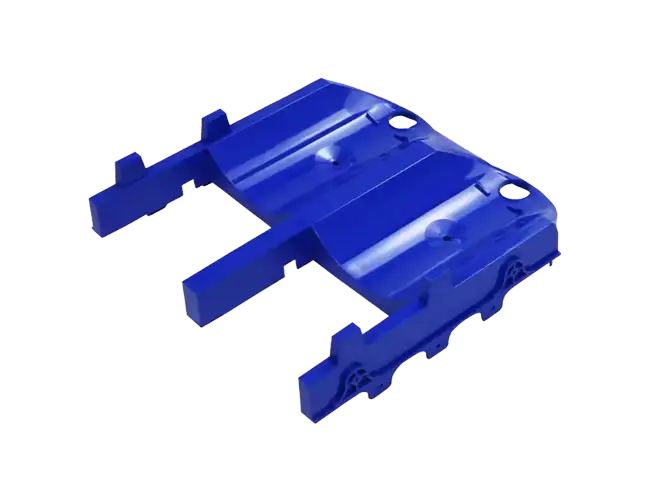
Acrylonitrile Butadiene Styrene (ABS) is one of the most versatile engineering plastics used today, widely recognised for its balanced strength, toughness, smooth surface quality, and overall cost efficiency. Because ABS plastic responds exceptionally well to plastic injection molding, it has become a top material choice for manufacturers seeking reliable, high-volume production. From automotive interiors and electrical housings to consumer electronics and industrial components, ABS injection molding continues to support global demand for durable, lightweight, and aesthetically refined ABS molded parts.
As industries prioritise performance and scalability, the ABS injection moulding process remains a preferred production route. The material’s stability, flow characteristics, and predictable behaviour inside an injection mold allow engineers and manufacturers to produce complex geometries with consistent accuracy. This combination of quality and efficiency has strengthened the role of ABS plastic molding in modern product development.
This guide delivers a detailed overview of acrylonitrile butadiene styrene molding, explaining the essential material properties, the full injection molding process, critical tooling considerations, and common applications. It also highlights the advantages and limitations of working with ABS, giving you clear insights on how to optimise your design, select appropriate materials, and improve part performance.
Whether you’re an engineer, procurement specialist, or product development professional, these insights will help you better understand how ABS behaves, how to leverage ABS injection molding, and how to create superior plastic components for various industries.

What Is ABS Injection Molding?
ABS injection molding is a manufacturing process in which ABS resin injection is heated, melted, and forced into a steel or aluminum mold under controlled injection pressure. As the molten material cools, it solidifies into precise injection molded parts, forming the final geometry with consistent detail and surface quality. This method is widely used to create durable plastic parts for automotive, electronics, appliances, and countless consumer products.
ABS, or acrylonitrile butadiene styrene, is a thermoplastic polymer composed of three monomers that each contribute essential performance characteristics. Acrylonitrile delivers heat stability and chemical resistance, butadiene enhances impact strength and toughness, while styrene provides rigidity, smooth finish, and aesthetic gloss. Together, these create well-balanced ABS material properties ideal for both functional components and visually refined housings.
During custom ABS molding, factors such as ABS molding temperature, mold design, gate placement, and cooling time play a crucial role in ensuring part consistency and dimensional accuracy. Thanks to its ease of processing and ability to support complex shapes, ABS remains one of the most trusted materials for producing reliable abs parts across many industries.
Why ABS Is Popular for Injection Molding
ABS is widely used in ABS plastic injection molding because it offers a strong balance of performance, processability, and cost. In many industries, this combination makes ABS one of the most frequently chosen materials for ABS part manufacturing and the broader plastic molding sector. Below are the main reasons why the material remains a top choice:
Excellent Impact Strength
The strong properties of ABS include outstanding toughness, even at low temperatures. This allows manufacturers to produce durable, complex parts and ABS plastic components that can withstand daily use and external forces.Good Dimensional Stability
With predictable shrinkage and consistent flow during the abs injection molding process, ABS helps maintain precise wall thickness, tight tolerances, and stable part geometry, making it ideal for detailed designs.Attractive Surface Finish
With the right ABS mold design and proper temperature control, ABS can produce glossy, matte, or textured finishes straight out of the mold—reducing or eliminating secondary finishing steps.Cost-Effective Material
ABS is more economical than many engineering plastics while still offering strong mechanical stability. This cost advantage makes it suitable for large production runs in any manufacturing process.Easy to Modify and Blend
ABS pellets can be combined with colorants, fillers, flame retardants, or UV stabilizers, allowing full customization during abs molding and improving performance for specific applications.Recyclable Thermoplastic
Because ABS can be melted and reprocessed, manufacturers can reduce material waste and improve sustainability while maintaining high-quality injection molded parts at controlled injection speed and pressure.
Material Properties of ABS
Before selecting ABS for any injection-molded part, it is important to understand its key physical and mechanical characteristics, as these properties directly influence performance, manufacturability, and even some disadvantages of ABS injection molding, such as sensitivity to temperature variation or surface flow marks.
General Material Properties
Density: 1.01–1.21 g/cm³
Melt Temperature: 200–260°C
Heat Deflection Temp: 80–100°C
Tensile Strength: 40–55 MPa
Flexural Strength: 60–95 MPa
Impact Strength: High
Shrinkage: 0.4–0.7%
Performance Highlights
ABS is widely valued for its:
Strong shock-absorbing capability
Moderate heat resistance suitable for most consumer and industrial applications
Excellent machining, sanding, and finishing performance
Resistance to cracking, warping, and deformation
Compatibility with chrome plating and detailed surface treatments
These advantages make ABS ideal for both aesthetic consumer housings and durable structural components. However, understanding the disadvantages of ABS injection molding—such as lower UV resistance, sensitivity to high molding temperatures, and potential surface defects—helps engineers optimise designs and select the correct processing parameters.


ABS Injection Molding Process: Step-by-Step
The guide to ABS molding begins with understanding how the injection molding machine processes the material through carefully controlled stages.
This workflow is essential for producing high-quality ABS injection molded parts, whether for ABS automotive parts, ABS enclosure molding, ABS industrial components, or general consumer plastic products. Below is a detailed breakdown of how manufacturers make ABS parts efficiently and consistently.
1. Material Preparation
ABS must be conditioned properly before molding because the properties of ABS plastic are sensitive to moisture. High humidity can cause splay, bubbles, or poor surface finishes.
Drying temperature: 80–90°C
Drying time: 2–4 hours
Ideal moisture content: Below 0.02%
Using clean, high-quality ABS pellets ensures stable melt flow and reliable results across different grades of ABS, especially in precision ABS prototype molding and large-scale ABS plastic injection molding services.
2. Melting and Plasticizing
Dried pellets enter the injection molding machine, where they are heated and sheared into molten ABS. Proper melting is essential to maintain uniform viscosity and strength.
Typical barrel temperature: 200–250°C
Stable plasticization supports consistent flow, strong bonding, and clean surface quality—crucial for injection molding projects that require cosmetic excellence or structural integrity.
3. Injection Phase
The molten polymer is injected into the mold cavity under controlled pressure.
Injection Speed: Medium
Injection Pressure: 60–100 MPa
Holding Pressure: 50–70% of injection pressure
Injection Time: A few seconds
Correct injection pressure prevents defects such as short shots, weld lines, and internal voids. This is a core aspect of injection molding design and essential for minimizing mold shrinkage.
4. Packing and Holding
Additional pressure is applied to pack the cavity and prevent shrinkage or sink marks. This step stabilizes part dimensions and strengthens the final product. For complex shapes or functional molding ABS components, this phase is especially critical.
5. Cooling Stage
The part cools inside the mold, transitioning from molten resin into a solid molding material.
Mold temperature: 40–80°C
Cooling time: 10–60 seconds
Efficient cooling reduces cycle time, contributes to low-cost production, and is key for companies offering ABS injection molding services or ABS tooling services.
6. Ejection and Part Removal
After cooling, the mold opens, and ejector pins remove the finished part. Proper ejection avoids scratches, dents, or stress marks—important in ABS plastic fabrication and high-precision ABS injection molding company operations.
7. Post-Processing (Optional)
Depending on the application, finished parts may undergo:
Painting or coating
Chrome electroplating
Ultrasonic welding
Pad printing
Machining
Heat staking
These finishing steps are common when producing decorative housings, ABS industrial components, or premium consumer surfaces.
Applications of ABS Injection Molded Parts
Because ABS is a versatile plastic material with excellent durability, impact strength, and surface appearance, it is widely used for injection molding across numerous industries. The material properties of ABS make it ideal for producing custom plastic parts, high-impact ABS parts, and other molded ABS products that require both strength and aesthetics. Below are the major application sectors.
1. Consumer Electronics
ABS is one of the most common materials used for electronic housings due to its stability, high-quality finish, and ability to support precision ABS molding. Many ABS plastic products in electronics include:
Laptop shells
Remote controls
Gaming consoles
Headphone components
Television frames
These enclosures, often made of ABS, benefit from consistent molding, tight tolerances, and long-term durability. The efficient ABS molding cycle further lowers production cost for high-volume devices.
2. Automotive Components
In the automotive sector, ABS delivers toughness and scratch resistance. Common injection-molded ABS parts include:
Dashboards
Pillar trims
Handles and knobs
Glove box components
Vent bezels
Blended grades such as ABS/PC are used for higher performance. Thanks to its stability and ability to withstand high injection pressures, ABS supports advanced ABS plastic engineering in vehicle interiors.
3. Household Appliances
Many appliance components are made of ABS because the material tolerates moderate heat and physical stress. Examples include:
Vacuum cleaner housings
Air conditioner covers
Rice cooker and blender bases
Refrigerator interior parts
The economical ABS molding cost makes it suitable for large appliance manufacturers seeking durable, repeatable parts.
4. Industrial and Mechanical Parts
ABS is often used for light-duty mechanical applications requiring durability and shape stability. Typical components include:
Gears
Pipe fittings
Tool housings
Machine guards
Instrument panels
These molded ABS products benefit from their reliable strength and ease of assembly, and some may utilize ABS overmolding to combine materials or enhance grip.
5. Toys and Sporting Goods
ABS is famous for its bright colorability and impact resistance—LEGO bricks are a classic example. Additional products include:
Helmet shells
Bike accessories
Protective gear
Its toughness makes it ideal for high-impact ABS parts in recreational and sports applications.
6. Medical Device Components
Although not used for long-term implants, ABS is widely employed in non-implantable medical and diagnostic products such as:
Diagnostic device housings
Disposable medical tools
Lightweight instrument holders
Its clean finish and structural reliability make ABS suitable for ABS plastic products used in daily medical environments.

Have a custom ABS plastic part project ?
Our expert team specializes in ABS injection molding, delivering precision, durability, and consistent quality ABS parts. Let us help you transform your design into reliable, custom ABS molded components that meet your exact specifications
Advantages of ABS Injection Molding
ABS injection molding offers a wide range of performance and production benefits, making it one of the most reliable methods for manufacturing plastic components. These advantages come from the balanced characteristics of ABS resin, its stability in molding, and the versatility provided by different grades of ABS. Below are the key strengths:
1. High Strength-to-Weight Ratio
ABS parts are lightweight yet durable, allowing manufacturers to create portable, handheld ABS products that maintain structural integrity. Despite the low density, the material supports impressive mechanical strength.
2. Excellent Aesthetic Quality
Because ABS flows smoothly and evenly in the mold, it delivers high-gloss, matte, or textured surfaces with minimal finishing. The controlled viscosity of ABS helps ensure a clean and consistent appearance.
3. Strong Impact Resistance
ABS provides exceptional toughness, allowing molded parts to handle repeated impacts without cracking. Its resilience makes it ideal for consumer goods, tools, and industrial housings.
4. Good Flow and Processability
ABS melts uniformly and fills complex cavities with ease. Proper ABS molding parameters improve flow behavior, support intricate geometries, and reduce common ABS molding defects. When needed, the material tolerates higher injection pressures to ensure complete fill.
5. Customizable and Colorable
Because ABS blends well with pigments, manufacturers can produce highly customized and fully color-matched designs. This characteristic provides ABS plastic with broad styling flexibility.
6. Low Cost
ABS remains cost-effective compared with engineering resins like PC or PEEK. Its low ABS shrinkage rate, fast molding cycles, and general ease of processing further reduce overall production expenses.
These advantages explain why ABS is widely used in injection molding due to its consistency, reliability, and performance. If you want to learn more about ABS injection, you can contact us for more details.

Limitations of ABS—and How to Overcome Them
Even though ABS is widely used across many ABS molding applications, the material has a few limitations that engineers must consider when selecting plastics for injection molding. Understanding these challenges is important whether parts are made from ABS, made of ABS plastic, or developed as ABS plastic prototypes. Below are the main limitations and practical solutions.
1. Limited UV Resistance
Prolonged outdoor exposure can lead to discoloration and surface embrittlement in ABS.
Solution: Apply UV stabilizers, add protective coatings, or use painted cap layers to shield molten ABS plastic surfaces from sunlight.
2. Moderate Heat Resistance
ABS typically softens around 90–100°C, which can limit use near heat sources or engines.
Solution: Upgrade to ABS/PC blends or choose higher-temperature materials when the cost of injection can justify performance improvements.
3. Poor Chemical Resistance to Strong Solvents
Harsh chemicals—such as ketones, esters, and certain hydrocarbons—can attack ABS.
Solution: Use chemical-resistant coatings or select alternative engineering plastics in environments not suitable for making ABS plastic parts.
4. Susceptible to Stress Cracking
Incorrect gate locations, uneven cooling, or sudden pressure changes can introduce stress.
Solution: Apply optimized mold design, simulate flow paths, and ensure uniform wall thickness, especially when replacing metal injection parts with ABS.
With proper design strategies and ABS finishing and polishing, manufacturers can successfully overcome these limitations while preserving performance and aesthetics.
Design Guidelines for ABS Injection Molding
To ensure high-quality plastic parts and optimal performance, engineers must follow key principles when working with ABS in injection molding. These guidelines help control the ABS molding process, reduce defects, and maximize efficiency when producing this versatile plastic.
1. Maintain Uniform Wall Thickness
Target thickness: 1.2–3.5 mm
Consistent wall thickness prevents warping, sink marks, and uneven cooling—especially important under high injection molding conditions where flow and temperature variations can affect stability.
2. Add Draft Angles
Use 0.5°–2° draft per side to simplify ejection and protect surface quality. Proper draft reduces friction during release, helping maintain tight tolerances.
3. Avoid Sharp Corners
Sharp corners increase stress concentrations and restrict flow. Smooth radius transitions support better material distribution under high injection molding pressure.
4. Optimize Gate Placement
Place gates in thicker sections to reduce weld lines, voids, and ABS shrinkage issues. Proper placement ensures a consistent fill throughout the abs molding process.
5. Reinforce with Ribs
Ribs increase stiffness without adding excessive material. Recommended rib thickness: 50–60% of wall thickness. This improves strength while maintaining a lightweight design.
6. Use Proper Venting
Good venting eliminates gas traps that cause burn marks or short shots. It is crucial when molding large or complex ABS geometries.
7. Use Texturing Strategically
Texture helps hide minor imperfections, enhances grip, and improves the final appearance of high-quality plastic parts.

ABS Molding Conditions: Optimal Parameters
Below is a reference table of common processing conditions:
| Parameter | Typical Value |
|---|---|
| Melt Temperature | 210–250°C |
| Mold Temperature | 40–80°C |
| Injection Pressure | 60–100 MPa |
| Holding Pressure | 40–70 MPa |
| Injection Speed | Medium |
| Drying Temperature | 80–90°C |
| Drying Time | 2–4 hours |
| Shrinkage | 0.4–0.7% |
These values vary depending on ABS grade, part geometry, and machine configuration.
ABS vs. Other Injection Molding Materials
Understanding how ABS compares with other plastics helps you select the right material.
| Material | Advantages Over ABS | Limitations vs. ABS |
|---|---|---|
| PP | Lower density, cheaper, excellent chemical resistance | Poor surface finish, lower stiffness |
| PC | High impact and heat resistance | More expensive, harder to process |
| Nylon (PA) | Superior strength and wear resistance | Absorbs moisture, warps more |
| PVC | Excellent chemical and flame resistance | Environmental concerns, processing hazards |
| HIPS | Cheaper, similar appearance | Lower strength and impact resistance |
ABS is the best choice when balancing cost, durability, appearance, and processability.
Common Defects in ABS Injection Molding and How to Fix Them
Although ABS is relatively easy to mold, defects can still appear during production. With the right process control and material handling, most issues are fully preventable.
1. Sink Marks
Cause: Thick sections or insufficient packing.
Fix: Reduce wall thickness and increase packing pressure. Because injection molding requires consistent material flow, evaluating plastic pellets' quality and performing ABS mold flow analysis helps engineers avoid localized shrinkage.
2. Weld Lines
Cause: Flow fronts meeting at low temperature.
Fix: Raise the melt temperature or increase the injection speed. Since ABS is used in many cosmetic-grade products, improving the weld line strength supports tighter ABS part tolerance and higher surface quality.
3. Warping
Cause: Uneven cooling or inconsistent geometry.
Fix: Maintain uniform wall thickness and adjust cooling layout. Manufacturing ABS components with proper thermal balance ensures dimensional accuracy, especially when ABS material grade selection affects shrink behavior.
4. Splay
Cause: Moisture in the resin.
Fix: Dry the material thoroughly before molding. Because ABS must be free of moisture for a stable melt, proper drying keeps the surface clean and preserves ABS plastic strength.
5. Short Shots
Cause: Low pressure or restricted flow.
Fix: Increase injection pressure, enlarge gates, or redesign the runner system. When the injection molding process begins, engineers must confirm that flow paths are smooth so ABS can also fill complex shapes reliably. ABS is one of the most versatile materials, but it requires optimized flow and pressure control for complete filling.
Selecting the Best ABS Grade for Injection Molding
Choosing the right ABS grade is a crucial step in ABS product development, as each formulation provides different mechanical, thermal, and cosmetic properties. Selecting appropriately ensures reliable performance and cost-effective ABS injection molding solutions.
1. General-Purpose ABS
This grade is ideal for everyday products such as housings, toys, display parts, and various consumer goods. It offers balanced strength and processability, making it suitable for most standard molding applications.
2. High-Impact ABS
Designed for parts that must withstand repeated stress or accidental drops, high-impact grades are widely used in automotive interior components, sports equipment, and heavy-duty enclosures. They deliver superior toughness without sacrificing moldability.
3. Flame-Retardant ABS
Essential for electronics, home appliances, IT equipment, and any product requiring fire-safety compliance. These grades meet specific flame-retardant certifications while maintaining good surface quality and dimensional stability.
4. Platable ABS
Formulated to accept chrome plating or decorative metal finishes, this grade is common in automotive trim, bathroom hardware, and high-end decorative parts. Its unique structure supports strong adhesion during the plating process.
5. ABS/PC Blends
These blends increase heat resistance, impact strength, and structural reliability. They are preferred for industrial components, equipment housings, and products that require enhanced durability under thermal or mechanical load.

Why Businesses Choose ABS for Injection Molding Projects
ABS remains one of the most versatile industrial plastics due to several performance and production advantages:
Low Production Cost
ABS keeps manufacturing economically, and during injection molding, ABS flows smoothly. As ABS plastic cools, it stabilizes quickly, supporting fast cycle times.Fast Mold Cycles
Because plastic may fill molds efficiently and ABS maintains good flowability, manufacturers achieve rapid turnaround for both prototypes and mass production.Excellent Part Aesthetics
Materials like ABS deliver smooth surfaces and visually appealing finishes, ideal for consumer products and high-quality ABS components.Reliable Mechanical Performance
ABS provides consistent toughness and strength across a wide temperature range, making it suitable for many demanding uses.Broad Temperature Stability
Even when exposed to fluctuating conditions, ABS maintains dimensional accuracy and durability.Compatibility With Mass Production
With predictable shrinkage and stable curing behavior, ABS is ideal for large-volume manufacturing.
Common applications of ABS include automotive trims, electronic housings, appliance parts, and general-purpose plastic components.
From start to finish, ABS offers dependable performance using ABS in injection molding across countless industries.
FAQs about ABS injection molding
1. What is ABS injection molding?
ABS injection molding is a manufacturing process where acrylonitrile butadiene styrene pellets are melted and injected into a mold to create durable, high-quality plastic parts.
2. Why is ABS commonly used for injection-molded parts?
ABS offers excellent impact resistance, good surface finish, dimensional stability, and competitive cost, making it ideal for consumer, automotive, and industrial applications.
3. What temperature is required to mold ABS?
Typical ABS melt temperature ranges from 200–260°C, depending on grade, part thickness, and mold design.
4. Is ABS easy to process compared to other plastics?
Yes. ABS flows well, fills complex molds, and supports fast cycles, making it easier to process than many engineering plastics.
5. What are common applications of ABS injection molding?
ABS is widely used for automotive interior parts, electronic housings, toys, appliances, protective gear, and custom plastic components.
6. What are the main advantages of ABS molding?
Key advantages include low cost, strong surface finish, high impact resistance, fast cycle times, and easy colorability.
7. What are the limitations of ABS injection molding?
ABS has moderate heat resistance, limited UV resistance, and poor chemical resistance to strong solvents, which may require stabilizers or protective coatings.
8. How strong are ABS injection-molded parts?
ABS parts offer excellent toughness with tensile strength around 40–55 MPa and high impact performance suitable for structural applications.
9. Does ABS shrink during molding?
Yes. ABS typically has a shrinkage rate of 0.4–0.7%, depending on mold design, thickness, and processing parameters.
10. What drying conditions does ABS require?
ABS must be dried at 80–90°C for 2–4 hours to prevent splay, bubbles, and cosmetic defects during molding.
11. Can ABS be overmolded with other plastics?
Yes. ABS is compatible with materials like TPU, PC, and some elastomers for overmolding functional or aesthetic features.
12. What is the typical molding cycle time for ABS?
ABS cycle times range from 20–60 seconds, depending on part geometry, mold temperature, cooling efficiency, and ABS grade.
Conclusion
ABS injection molding is a dependable and cost-effective solution for manufacturing durable, attractive, and high-precision plastic components. With its excellent surface appearance, mechanical strength, impact resistance, and ease of processing, ABS continues to dominate industries ranging from consumer electronics and automotive manufacturing to household appliances and industrial equipment.
Understanding ABS’s processing conditions, design considerations, and material characteristics is essential for achieving high-quality parts and efficient production. When used correctly, ABS offers an outstanding balance of performance and cost, making it one of the most trusted materials for injection molding worldwide.
If you need help with mold design, material selection, manufacturing feasibility, or a rewritten version for a specific industry, feel free to ask!
Get A Quote For Your ABS injection molding
Get a fast, accurate quote for your ABS plastic parts by uploading your CAD files or drawings. Our engineers review your design, recommend suitable materials, and provide a clear cost breakdown if needed. Start your project with confidence and move quickly into bulk production.
