
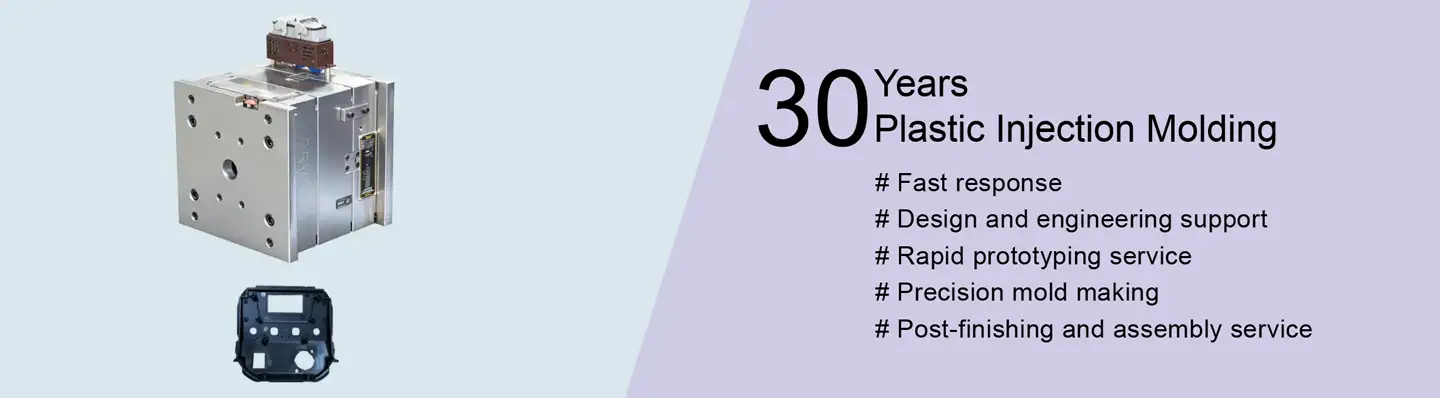
Side action injection molding has become one of the most versatile and widely adopted plastic forming processes for manufacturers who need precise, durable, and complex parts. As industries continue shifting toward advanced technologies, automation, and global competition, production teams are under pressure to save time, optimize tooling performance, and maintain consistent customer satisfaction.
Among the many innovations in the modern plastic injection molding landscape, the use ofside actions—commonly referred to as slides—offers unprecedented flexibility in forming undercut geometry, double-walled parts, and even hollow plastic products.
Combined with cutting-edge technologies, AI-assisted mold making, CNC machining, and the increasing role of additive manufacturing, side action injection molding supports mass fabrication of high-quality components across automotive, consumer electronics, industrial equipment, medical devices, and more.
This comprehensive guide takes you through the fundamentals of side action injection molding, explaining how the manufacturing process works, when it’s used, the benefits it offers, and how to design parts that leverage slides effectively. Whether you’re looking to produce hollow structures, eliminate multiple supplier prospects, or improve the overall efficiency of your system, this article provides powerful insights for engineers, procurement teams, and product developers.
What Is Side Action Injection Molding?
Side action injection molding is a specialized type of plastic injection process that uses laterally moving tooling components—known as slides or action molds—to form features that a straight pull mold cannot release. These side features are ideal for undercut features, side holes, ports, clip openings, or channels that sit perpendicular to the mold’s normal opening direction.

The process involves heating thermoplastic materials, injecting a molten plastic material into a cavity, letting it cool, and ejecting the finished part once the side actions retract. Because slides move horizontally or at an angle, they can form geometry that traditional tooling cannot reach.
Common features formed with side actions:
- Side holes or cross-holes
- Snap-fit tabs
- Lateral ribs
- Side-mounted bosses
- Engravings or recesses
- Undercut geometry
- Hollow internal or external cavities
In some cases, side actions are used alongside plastic casting techniques (such as urethane casting or rotational molding) for prototyping complex geometries before full-scale production.
Side Action vs. Straight Pull Mold
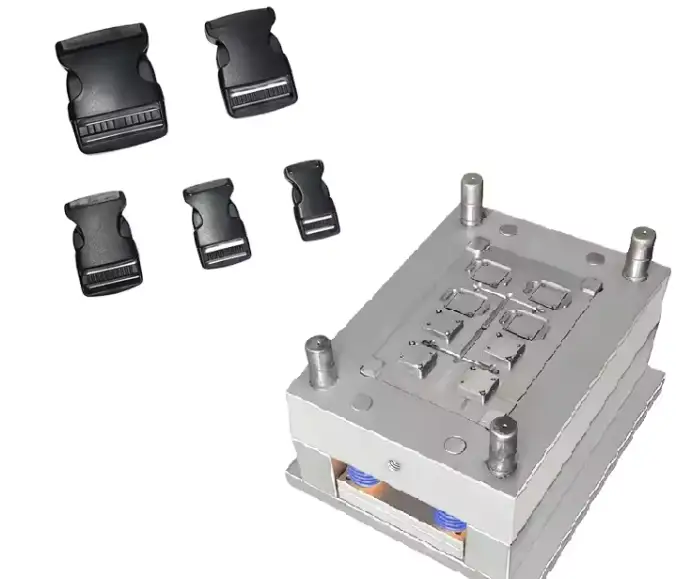
A traditional straight pull mold opens in a single direction and is ideal for simple geometries. However, when producing advanced plastic parts with lateral openings, reinforced sections, or functional side features, a standard mold cannot release the part without damaging it.
Side action injection molding solves this problem by integrating sliding components that move in and out to form and release complicated structures, allowing manufacturers to produce parts reliably and at scale.
How Side Action Mechanisms Work
Although tooling designs vary, most side action systems operate through the following sequence:
1. Mold Closing
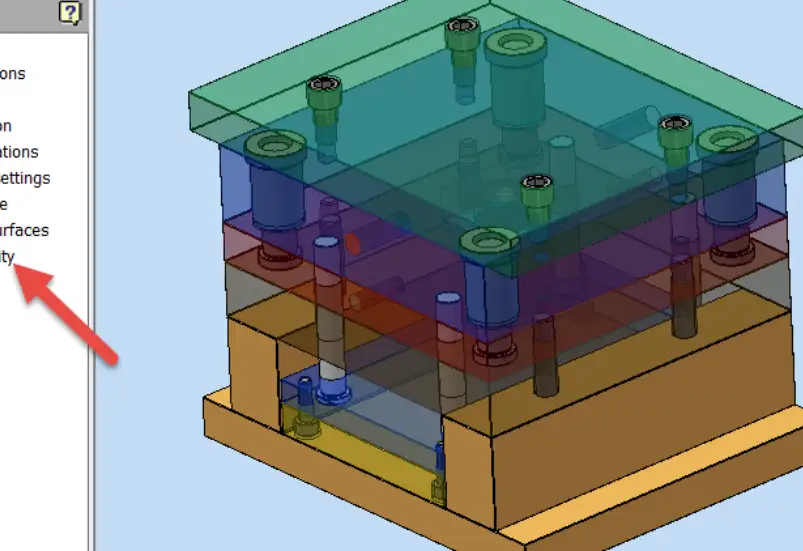
When the mold closes, angled cam pins push the slide blocks inward. These slides tightly form the side cavities of the part.
2. Injection Phase
Molten plastic material is injected into the cavity, filling the main cavity and the areas created by the slides. The system handles a variety of materials, including:
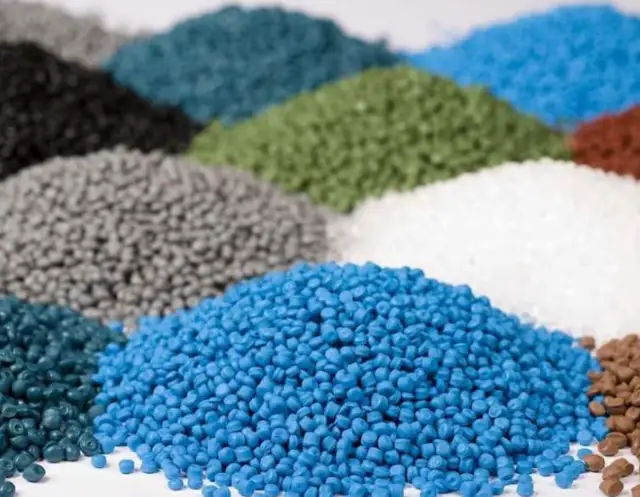
- Thermoplastic powdered resin
- Standard injection-grade pellets
- Engineering polymers
- Urethane polymer systems for specialized casting applications
- High-performance hi rel plastics used in aerospace or critical assemblies
3. Cooling
The plastic cools and solidifies around the slides.
4. Mold Opening
As the mold opens, the angled pins retract, causing the slides to pull away from the part.
5. Ejection
Once clear, ejector pins push the final part out.
This fully automated system enables fast mass fabrication of high-quality products, reducing labor costs and improving consistency.
Producing Hollow Plastic Products With Side Actions
Many engineers associate creating hollow plastic products exclusively with blow molding or rotational molding. However, modern side action designs—combined with collapsible cores or multi-slide systems—can also produce hollow structures with great precision.
Examples include:
- Hollow brackets
- Double-walled containers
- Fluid-handling components
- Plastic tubes
- HVAC functional parts
- Reinforced housings requiring internal channels
Using a hollow mold tool, manufacturers create shapes traditionally made via casting or rotational molding. And because injection molding is more precise, it ensures:
- Better dimensional control
- Higher production speed
- Improved surface finish
- Stronger mechanical properties
Side actions support this level of precision by enabling controlled internal cavities without relying on secondary machining.
Applications in Quality Plastics Manufacturing
Side action injection molding supports a wide range of industries that demand quality plastics and advanced part designs.
Common sectors:
- Automotive (e.g., vents, housings, gears)
- Consumer electronics (e.g., connectors, enclosures)
- Medical devices (e.g., handles, diagnostic housings)
- Industrial machinery (e.g., valve bodies, fluid components)
- Aerospace (high-reliability applications with hi rel plastics)
Because the method offers unmatched control for manufacturing plastic parts with difficult side features, it remains one of the top choices for engineering teams worldwide.
Material Choices for Side Action Injection Molding
The process works with a wide range of materials used in the plastic injection molding industry—including both general-purpose and high-performance polymers.
Commonly used materials:
- ABS
- Nylon (PA)
- Polycarbonate (PC)
- PP
- POM
- High-temperature plastics like PEEK
- Flexible urethane materials
- Thermoplastic materials specifically engineered for side action tooling
Material selection depends on heat resistance, shrinkage, flow characteristics, and whether the part includes internal or external undercuts.
The Role of Mold Making, CNC Machining, and Additive Manufacturing
Modern side action molds are built using a blend of:
- Precision CNC machining
- Additive manufacturing for complex cooling channels
- EDM for tight-tolerance features
- High-strength tool steels for longevity
- Polishing techniques for improved ejection
In major tooling hubs such as Grand Rapids, Michigan or Tool Anaheim in California, companies like MI Action Mold, or LTC plastic focus heavily on producing high-quality action molds for demanding industries. These facilities incorporate cutting edge technologies, fast-turnaround processes, and advanced tool steels to improve cycle times and accuracy.
Advantages of Side Action Injection Molding
- Ability to Form Undercuts
Perfect for complex locking features, sideways holes, and intricate geometry. - Reduces Secondary Operations
Eliminates machining, drilling, or assembly of multiple components. - Supports High-Volume Production
Ideal for mass fabrication and global supply chain manufacturing. - Compatible With a Wide Range of Materials
Works with standard thermoplastics, engineering materials, and urethane blends. - Superior Structural Strength
One-piece construction improves durability and precision. - Produces Hollow or Reinforced Parts
Great for channel structures, tanks, and integrated cavities.
Design Considerations for Side Action Parts
When designing for side actions, engineers must consider:
Draft Angles
Slides require a draft to release the part smoothly.
Wall Thickness
Uniform thickness ensures stable cooling.
Slide Stroke
Ensure adequate travel distance to clear the undercut.
Load-Bearing Requirements
Reinforce slide contact areas when necessary.
Fillets and Radii
Use rounded transitions to encourage smoother flow.
Avoiding Excessive Undercuts
Complex undercuts increase tooling cost.
Early DFM Collaboration
Work with a mold maker early to prevent redesigns.
Cost Factors to Consider
Side action injection molding is more complex than standard molds, so costs vary depending on:
- Number of slides
- Stroke length
- Resin type
- Tool steel choice
- Mold size
- Specifications questions requiring custom engineering
- Level of automation
Buyers often quote individually for each part, especially when working with custom side action tooling or hollow products.
Choosing the Right Manufacturing Partner
Selecting a reliable mold maker or injection molder is critical. When evaluating partners during sourcing—especially if you’re tired of manually sourcing across dozens of websites—look for suppliers who:
- Use modern CNC and EDM equipment
- Offer in-house mold making
- Support prototyping and additive manufacturing
- Produce high-quality products consistently
- Respond quickly to inquiries
- Keep yourinformation private
- Communicate clearly about timelines
- Can handle projects from prototype to mass production
Whether you’re searching for MI Action Mold, Action Mold, or an established facility in Grand Rapids, choose a company that aligns with your part complexity and production volumes.
Contacting a Supplier (Phone, Email & File Attachments)
Most professional suppliers provide clear ways to contact them, including:
- Contact phone
- Phone number for urgent requests
- Contact email for CAD files, drawings, or RFQs
- Online forms where you can attach files, such as STEP models or technical diagrams
This ensures seamless communication and faster quoting, especially for projects requiring side actions.
Conclusion
Side action injection molding remains one of the most powerful and flexible technologies for producing sophisticated plastic components—especially those with undercut features, hollow sections, and complex functional geometry.
By integrating sliding mechanisms with modern manufacturing processes, CNC machining, and additive manufacturing, companies can create robust parts efficiently, cost-effectively, and with superior accuracy.
Whether your goal is to produce hollow internal features, eliminate manually sourcing suppliers, improve structural strength, or enhance overall system performance, side action injection molding is one of the most dependable solutions available in the plastics industry today.