

High-density polyethylene (HDPE) is one of the most widely used plastic materials in modern manufacturing, thanks to its durability, versatility, and reliable impact resistance. From industrial containers to everyday consumer packaging, HDPE moulding plastic plays a central role in shaping countless products.
Using processes such as HDPE injection molding, blow molding, rotational molding, extrusion, and even custom injection mold tooling, manufacturers can produce strong and cost-effective components at scale.
Because high-density polyethylene offers excellent chemical resistance, dimensional stability, and a manageable melt temperature, it performs exceptionally well across different mold types and production methods. Whether a project requires complex geometries, lightweight structures, or high-volume production, HDPE provides consistent results across industries.
If you want a clear overview of how HDPE moulding works, when to choose HDPE injection molding, which process delivers the best performance, and what to evaluate when developing HDPE moulding parts, this comprehensive guide covers everything.
For professionals in packaging, construction, automotive, agriculture, and consumer goods, this article will help you make smarter decisions for your next HDPE moulding project.
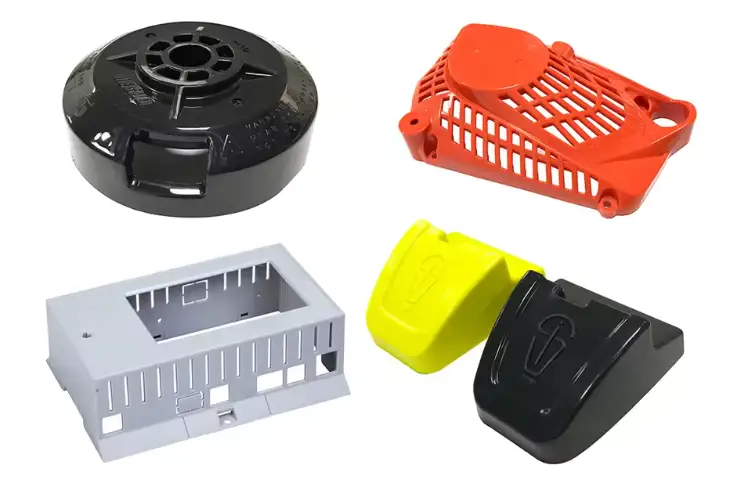
What Is HDPE? A Quick Overview
HDPE (High-Density Polyethylene) is a thermoplastic polymer produced from petroleum and widely used across modern hdpe molding applications. Known for its impressive tensile strength and durability, HDPE offers a strong balance of performance and processability, making it ideal for various molding services and manufacturing environments.
This material stands out for several key properties:
- High strength-to-density ratio
- Excellent chemical resistance
- Low moisture absorption
- Smooth, reliable molding process
- Outstanding impact resistance
- Long service life in tough environments
- Food-grade safety (depending on the grade)
Because HDPE flows well during processing and works efficiently with almost any tool and mold setup, manufacturers use it to create a wide range of strong, lightweight HDPE parts.
Common everyday products made from HDPE include:
- Bottles and containers
- Food storage bins
- Water and irrigation pipes
- Fuel tanks
- Toys
- Chemical drums
- Distribution pallets
- Automotive trim components
With a density typically ranging from 0.93 to 0.97 g/cm³, this material earns its “high-density” classification, delivering strength and structural stability without unnecessary weight.
Why HDPE Is Popular in Moulding Applications
HDPE’s molecular structure gives it an exceptional balance of performance, affordability, and durability—qualities that make it one of the most widely used injection molding materials in modern manufacturing. Across injection molding services, blow molding, and other processes, high-density polyethylene molding stands out for several key advantages:
1. Excellent Chemical Resistance
HDPE resists acids, bases, detergents, alcohols, and most solvents, making it ideal for HDPE molded parts used in chemical containers, industrial tanks, cleaning products, and long-term storage solutions. This chemical stability holds strong under a wide range of processing conditions.
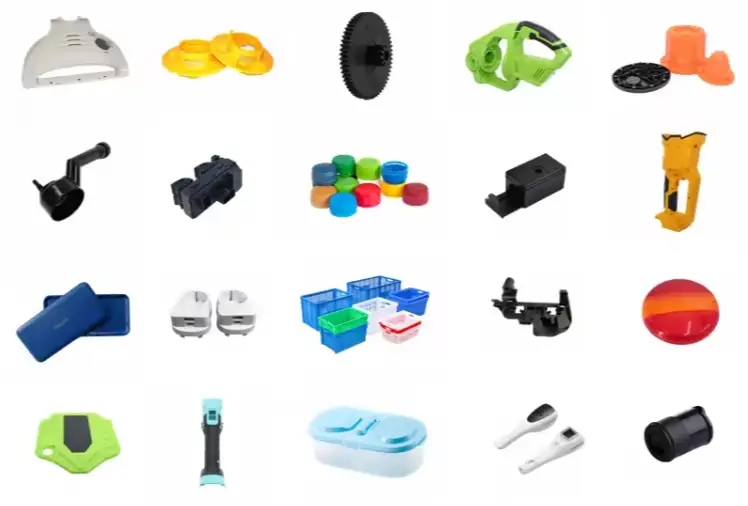
2. High Impact Strength
Compared with brittle plastics, injection-molded HDPE maintains toughness even at low temperatures. That’s why HDPE moulding plastic components are common in outdoor equipment, agricultural products, and heavy-duty industrial applications.
3. Lightweight but Strong
As a lightweight material with impressive tensile strength, HDPE reduces material usage, shipping weight, and overall cost. This makes HDPE injection molding an efficient choice for manufacturers prioritizing both performance and operational savings.
4. Easy to Process
During the HDPE molding process, the material flows well inside the mold cavity, enabling thin-wall designs, stable cycle times, and consistent quality. Its forgiving processing window makes it popular among manufacturers providing injection molding services.
5. Weather & UV Resistance
With the right stabilizers, HDPE withstands sunlight, moisture, oxidation, and temperature changes—making high-density polyethylene molding suitable for outdoor and long-term field applications.
6. Food-Safe & FDA-Approved Grades
Food-grade HDPE is widely used for beverage bottles, storage containers, and packaging that requires safety, strength, and hygiene.
7. Cost-Effective
Compared with engineering-grade materials like PEEK or PA, HDPE offers strong value—low material cost, simplified processing, and excellent long-term durability.
These combined benefits make HDPE moulding a preferred choice for companies seeking durable, economical, and high-performance HDPE plastic components across industries ranging from packaging and construction to agriculture and automotive.
Common HDPE Moulding Processes
In HDPE manufacturing, the choice of moulding technology depends on part size, geometry, production volume, and performance needs. Because HDPE material properties offer excellent impact resistance, chemical stability, and smooth flow, it adapts well to several production methods. Below are the most widely used processes for custom HDPE molding and HDPE part production.
HDPE Injection Moulding
Injection moulding is the most precise and scalable method for producing complex custom parts. The process involves HDPE pellet processing, melting the resin, and injecting it into a steel or aluminum cavity. Effective HDPE mold design, proper HDPE mold temperature, and controlled HDPE cooling time are essential for minimizing shrinkage and ensuring dimensional accuracy.
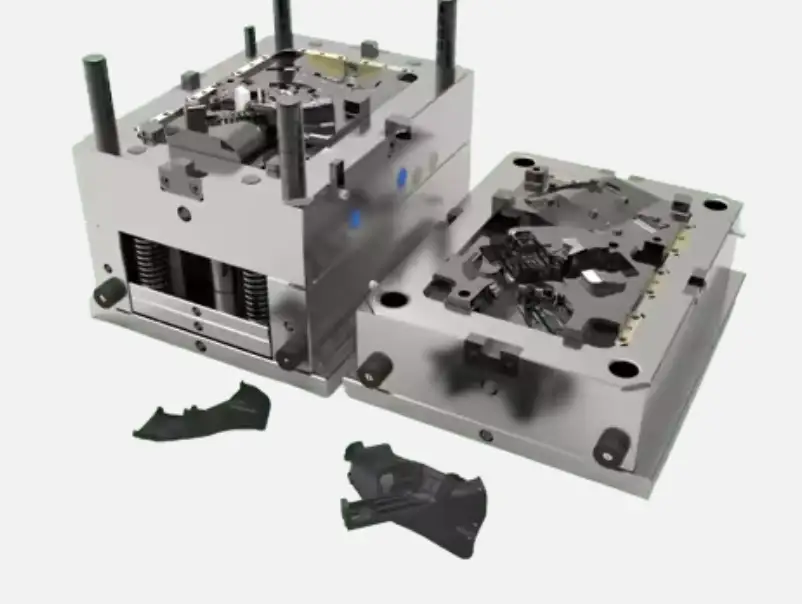
Typical Parts Made by HDPE Resin Molding
- Caps and closures
- Thin-wall containers
- Food storage items
- Household goods
- Small mechanical components
- High-volume industrial parts
This method delivers fast cycle times, excellent detail, and reliable results for high-volume production.
HDPE Blow Moulding
Blow molding HDPE is ideal for producing lightweight, hollow components. After the molten resin is extruded into a tube, air inflates it against the mould wall to create the desired shape.
Common Blow-Moulded HDPE Products
- Plastic bottles (water, milk, detergent, chemicals)
- Fuel tanks
- Drums and Jerry Cans
- Large industrial containers
Blow moulding supports multi-layer structures and remains one of the most cost-efficient methods for packaging.
HDPE Rotational Moulding (Rotomoulding)
Rotational moulding forms large, seamless parts by rotating a heated mould filled with HDPE powder. This process results in uniform wall thickness and zero weld lines.
Typical Rotomoulded Products
- Water tanks
- Kayaks
- Playground structures
- Agricultural bins and troughs
The tooling cost is low, making it suitable for oversized products, though the cycles are slower than injection moulding.
HDPE Extrusion Moulding
HDPE extrusion molding is used to produce continuous profiles with excellent mechanical strength. Molten resin is pushed through a die to form long structures.
Common Extruded HDPE Products
- Pipe and tubing
- Sheets and films
- Plastic lumber
- Cable insulation
Extrusion is essential in plumbing, construction, and packaging due to its high output and durability.
These processes make HDPE one of the most versatile materials in plastics manufacturing. However, depending on performance needs, potential alternatives to HDPE include PP, PVC, PET, and certain engineering plastics.
Material Properties of HDPE for Moulding
HDPE is a popular material in injection molding applications because its physical and mechanical characteristics make it both easy to process and exceptionally durable in final products. As a high-density thermoplastic, HDPE offers the strength, flexibility, and stability required for a wide range of custom HDPE components.
Key Material Properties
| Property | Typical Value |
|---|---|
| Density | 0.93–0.97 g/cm³ |
| Melt Flow Index (MFI) | 0.1–50 g/10 min |
| Tensile Strength | 20–35 MPa |
| Impact Strength | High (excellent low-temperature performance) |
| Melting Point | ~130°C |
| Service Temperature | -50°C to 80°C |
| Shrinkage | 1.5%–3% |
Additional Characteristics
- Low coefficient of friction
- Strong electrical insulation
- High fatigue resistance
- Excellent resistance to cracking and environmental stress
These material advantages make HDPE a cost-effective option for manufacturers seeking long-lasting, lightweight, and reliable parts. Choosing the correct HDPE grade—whether injection grade, blow grade, pipe grade, or high-MFI grade—ensures the best performance for your specific moulding project and end-use requirements.
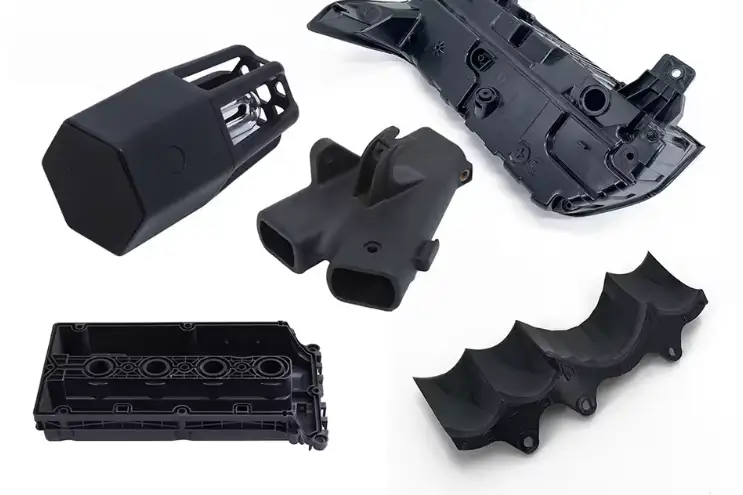
Applications of HDPE Moulding Across Industries
As a thermoplastic polymer with a high strength-to-density ratio, HDPE is used in almost every major sector. Its durability, chemical resistance, and predictable shrinkage behaviour make it a favourite material for any injection molder working with high-volume or structural parts. Below are the industries that benefit most from using HDPE.
1. Packaging Industry
HDPE remains the backbone of consumer and industrial packaging thanks to its lightweight and strong barrier properties. Blow moulding dominates this segment, producing everyday essentials such as milk jugs, cleaning bottles, food storage containers, cosmetic packaging, caps, and closures. Consistent HDPE material quality ensures stable dimensions across millions of units.
2. Construction & Infrastructure
With excellent corrosion resistance and outdoor durability, HDPE is ideal for pipes, fittings, geomembranes, cable protection, and structural barriers. Its long service life makes it one of the most reliable materials for modern infrastructure projects.
3. Automotive Industry
Automakers value HDPE moulding for its toughness and low weight. Injection molded products include fuel tanks, reservoirs, air ducts, trim components, and protective housings—each benefiting from HDPE’s resilience under mechanical stress.
4. Agriculture
HDPE withstands chemicals, UV exposure, and rough handling. Common agricultural items include irrigation lines, feeding troughs, storage tanks, and crates. Its stability in harsh conditions supports long-term farm use.
5. Consumer Goods
From toys and toolboxes to household items and storage bins, HDPE’s impact resistance and safety make it a popular choice for durable everyday products.
6. Industrial & Chemical Storage
HDPE’s unmatched chemical resistance makes it essential for industrial drums, containers, spill pallets, and heavy-duty trays. For any application requiring reliability under chemical exposure, HDPE is a top choice.
HDPE Moulding Design Guidelines (For Better Product Performance)
Designing molded parts with HDPE requires understanding how this versatile plastic behaves during flow, cooling, and long-term use. As a commodity plastic within the PE family, HDPE offers excellent HDPE chemical resistance, high impact strength, and dependable HDPE part durability, but designers must follow proper DFM principles to achieve consistent results.
Wall Thickness Control
Because HDPE experiences noticeable shrinkage during cooling, consistent wall thickness is essential for maintaining dimensional tolerance and part stability. Variations in thickness can lead to warpage, sink marks, and internal stress, especially when processed on a fast-running HDPE injection machine. Balanced walls also improve HDPE melt flow, shorten HDPE cycle time, and reduce overall HDPE tooling cost.
Draft Angles
Adequate draft angles ensure smooth release from the mould.
- Standard draft: 1°–2°
- For textures or patterns: 3°–5°
The correct draft reduces friction and protects the produce parts from scratching or distortion during ejection.
Rib & Boss Design
To add strength without unnecessary weight, ribs should be 50–60% of nominal wall thickness. Rounded transitions and generous radii help avoid stress points, improving the lifespan of HDPE lightweight parts used in containers, plastic milk jugs, and other high-volume items.
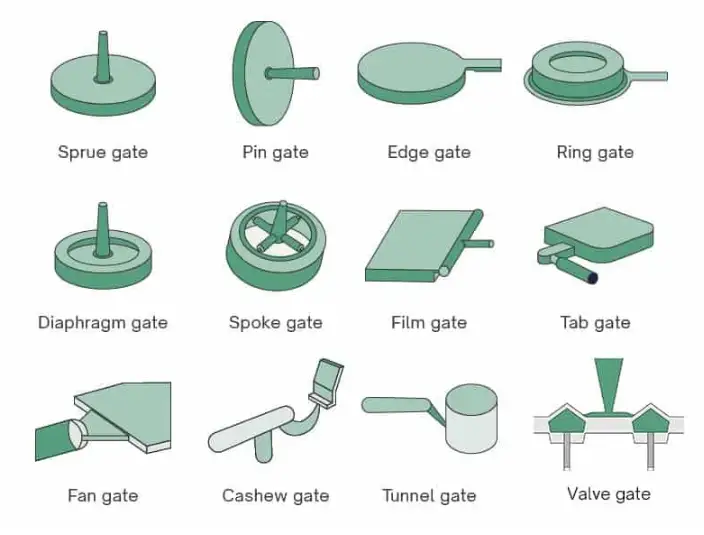
Gate Location for HDPE
Gate placement influences material flow, weld line formation, and the overall shrinkage pattern. For HDPE plastic resin, gates should be located to reduce flow length and keep pressure consistent, especially for HDPE industrial components and HDPE food-grade molding.
Venting
Although HDPE flows easily, proper venting prevents short shots, burn marks, and trapped gases. Effective venting is crucial when creating thin-wall or large injection-molded products.
Shrinkage Compensation
HDPE shrinks more than many polymers, typically 1.5%–3.0%. Accurate calculations during HDPE mold design ensure correct sizing for final dimensions, especially for precision components or parts requiring close tolerance.
Processing Parameters for HDPE Moulding
High-density polyethylene (HDPE) is valued for its excellent processability, high impact strength, and reliable performance across a wide array of industries. These advantages—combined with being lower in cost than many alternatives—make HDPE suitable for producing injection-molded parts, blow-molded containers, extruded plastic lumber, and countless other shapes and sizes.
Still, achieving stable production requires optimising processing conditions and understanding how HDPE behaves as a material formed through the polymerization of ethylene.
Injection Moulding Settings
Proper injection parameters help avoid defects such as warpage, voids, or uneven shrinkage. Typical processing ranges include:
| Parameter | Typical Range |
|---|---|
| Melt Temp | 180–260°C |
| Mould Temp | 20–60°C |
| Injection Pressure | Medium to high |
| Holding Pressure | Moderate |
| Cooling Time | 10–40 seconds, depending on wall thickness |
These settings help ensure consistent injection-molded components, especially for products requiring chemical and impact resistance or approved food contact use.
Blow Moulding Settings
| Parameter | Notes |
|---|---|
| Parison Temperature | 170–220°C |
| Blow Pressure | 4–8 bar |
| Cooling Time | Depends on wall thickness |
This is ideal for bottles, containers, and hollow HDPE moulding products.
Rotational Moulding Settings
| Parameter | Notes |
|---|---|
| Oven Temperature | 250–350°C |
| Cycle Time | Long (20–60 minutes) |
| Cooling | Slow cooling preferred |
Slow, even cooling helps maintain structural strength in large moulded items.
Extrusion Settings
| Parameter | Typical Range |
|---|---|
| Barrel Temp | 160–220°C |
| Die Temp | 170–230°C |
| Screw Speed | Moderate |
These parameters deliver smooth, consistent profiles for pipes, boards, and other extruded HDPE forms.
Quality Control in HDPE Moulding
Strict quality control is essential to ensure safety, durability, and consistent performance in HDPE moulding products. Because HDPE moulding is used across a variety of industries, from packaging to automotive and pipe systems, manufacturers must apply tight inspection standards throughout production.
Common QC tests include:
- Tensile and impact strength evaluations
- Wall thickness measurement for uniformity
- Dimensional accuracy checks, especially for complex parts
- Pressure and leak testing for storage tanks and HDPE pipe molding
- UV resistance testing for outdoor applications
- Drop tests for HDPE packaging parts
- Chemical resistance validation for industrial containers
A professional moulding supplier integrates these controls into their design for manufacturing (DFM) strategy to maintain part reliability and performance. Since many food-contact products must be approved by the FDA, traceability and material verification become key steps in the process.
HDPE vs Other Common Plastics
Understanding how HDPE compares to other materials helps engineers select the best option for their specific moulding project. Thanks to its durability, chemical resistance, and versatility, HDPE moulding can be used in countless applications, including HDPE container molding, HDPE automotive molding, and more.
HDPE vs PP (Polypropylene)
- HDPE has superior impact resistance.
- PP offers better heat resistance.
- Both are lightweight and economical.
HDPE vs LDPE (Low-Density Polyethylene)
- HDPE is stronger, stiffer, and more suitable for structural parts.
- LDPE is softer, more flexible, and ideal for films and bags.
- HDPE also provides improved durability for molded components.
HDPE vs PVC
- HDPE is more environmentally friendly and easier to recycle.
- PVC provides greater rigidity and better flame resistance.
HDPE vs PET
- PET is transparent and ideal for beverage bottles.
- HDPE offers better impact strength and superior chemical resistance, making it ideal for heavy-duty containers.
Overall, HDPE’s balance of toughness, flexibility, and safety allows
How to Choose the Right HDPE Moulding Supplier
Selecting the right partner is essential when working with HDPE, especially because HDPE is a thermoplastic with unique material characteristics, such as HDPE flow characteristics, HDPE mold shrinkage, and its tendency to be susceptible to environmental stress cracking if processed incorrectly. A qualified supplier ensures high HDPE production efficiency and stable part performance across a wide range of applications.
When evaluating a manufacturer for HDPE fitting molding, PEHD components, or other design features, look for teams with deep experience in pellet form processing and ejection behavior for complex part geometries. Ideal suppliers should offer:
- Proven experience with HDPE moulding, including HDPE container molding, HDPE fittings, and engineered components
- In-house mould engineering to optimise shrinkage, flow, and uniform cooling
- Modern moulding machines capable of handling HDPE’s fast flow and cooling cycles
- Relevant certifications, such as ISO9001, and products approved by the FDA, where required
Be sure to ask about:
- Material sourcing and grade selection (HDPE vs LDPE alternatives)
- Mould lead times, tooling durability, and expected lifespan
- Achievable tolerances and validation steps
- Capacity for both low-volume and mass production
A reliable supplier will guide you through DFM, tooling recommendations, shrinkage control, and quality testing—ensuring your HDPE project runs smoothly from initial design to final shipment.
Conclusion
HDPE moulding continues to dominate modern production because this material supports many applications, from packaging and construction to automotive, agriculture, and consumer goods. Compared with alternatives like polypropylene, HDPE delivers outstanding mechanical strength, reliable chemical resistance, and stable physical properties, making it ideal for both thin-walled components and heavy-duty parts.
With proper part design, manufacturers can achieve impressive HDPE molding tolerance, ensuring consistent performance across simple components as well as HDPE custom plastic parts. Its favourable viscosity and predictable flow behaviour also make HDPE easy to process in HDPE prototype molding, pilot runs, or HDPE high-volume production.
Because HDPE moulding is economical, durable, and adaptable, it remains one of the most widely chosen materials for injection molding, blow molding, extrusion, and rotomolding. Whether you’re developing small packaging items or large industrial structures, chemical resistance, long-term stability, and overall cost-efficiency make HDPE a dependable option.
If you’re planning a new project, selecting the right grade of HDPE and working with an experienced moulding partner ensures smooth production, high-quality results, and long-lasting part performance.