
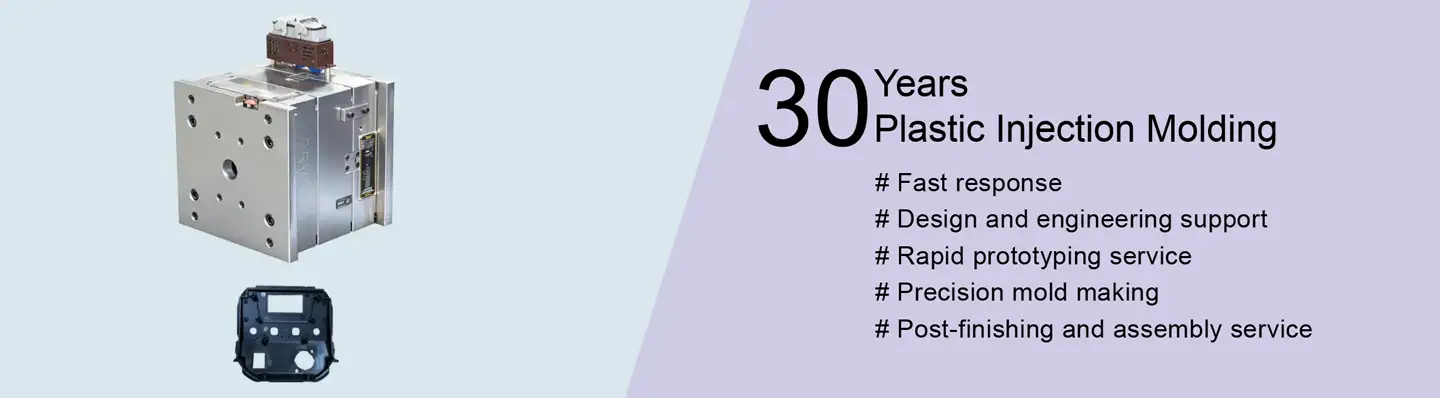
Small batch injection molding has become a cornerstone of modern manufacturing for businesses, startups, and product designers who need high-quality plastic parts without committing to the significant expense of traditional injection molding for large volumes.
This method enables low-volume production, short production runs, and custom plastic components, making it ideal for prototyping, pilot production, and on-demand injection molding.
From functional prototype plastic parts to limited-run plastic parts, small batch molding allows manufacturers to produce precise injection molded parts using real thermoplastics, offering excellent surface finish and dimensional accuracy.
This comprehensive guide will explore the injection molding process for small batch production, tooling options, materials, design considerations, use cases, benefits, and future trends.
What Is Small Batch Injection Molding?
Small batch injection molding, also referred to as low-volume injection molding or short-run plastic molding, is the process of producing plastic parts in small quantities. Typical production runs range from 10 to 10,000 units, depending on part complexity and tooling type.

Unlike high-volume injection molding, which relies on hardened steel molds for millions of parts, small batch production often uses aluminum molds, soft steel molds, or even 3D printed injection molds for rapid tooling.
Key Features of Small Batch Production
- Flexible batch size for prototyping and low-volume production
- Reduced lead time compared to traditional high-volume molds
- Lower upfront cost due to low-cost injection molds
- Ability to produce high-quality plastic parts suitable for real-world testing
- Fast iteration for development-stage molding and custom prototype parts
Small batch injection molding is ideal for pilot-scale plastic molding, short-run tooling, and limited quantity plastic components, bridging the gap between prototyping and full-scale production.
Why Choose Small Batch Injection Molding?
Businesses increasingly turn to small batch manufacturing because it offers flexibility, speed, and cost efficiency.
Benefits of Small Batch Injection Molding
- Faster Time to Market
Short lead times and rapid tooling solutions allow quick-turn molding services, enabling faster product launches. - Lower Cost
Aluminum molds, soft steel molds, and 3D printed molds reduce minimum order quantities and overall investment. - High-Quality Injection Molded Parts
Unlike 3D printing, injection molding delivers production-grade plastic parts with excellent surface finish, tolerance, and repeatability. - Flexible Production Runs
Small-scale industrial molding allows adjustments in batch size, part design, and materials between runs. - Prototyping and Low-Volume Production
Engineers can produce functional prototype plastic parts, test-run injection molding, and pilot production molding before committing to full-scale production. - Custom Solutions
Custom trial batch molding, limited-run plastic parts, and small-lot plastic production support bridge tooling production and iterative design validation.
The Small Batch Injection Molding Process
The injection molding process for small batch production follows the same basic principles as traditional molding but is optimized for low-volume production.
Step 1: Mold Design and Creation
- Aluminum molds and soft steel molds are commonly used
- 3D printed injection molds allow rapid prototyping and low-cost tooling
- Custom molds can be made for small-scale industrial molding
Proper mold design ensures optimal flow of molten plastic, reduces defects, and maximizes production efficiency.

Step 2: Material Selection
Small batch molding supports nearly all thermoplastics:
- ABS, PC, PP, Nylon, TPU, POM
- High-performance plastics like PEEK and Ultem
- Engineering-grade compounds and custom plastics
The ability to use production-grade plastic materials ensures prototype injection molding produces high-quality parts suitable for real-world applications.
Step 3: Injection Molding Machine Setup
- Set injection pressure, melt temperature, and cycle times
- Configure small run injection molds for multi-cavity or single-cavity setups
- Ensure low-volume injection molding parameters support part consistency
This setup ensures injection molding delivers precise, repeatable results for small quantities of plastic parts.
Step 4: Injection and Cooling
- Molten plastic is injected into the mold cavity
- Proper cooling ensures high-quality plastic parts
- Short-run injection molding maintains tight tolerances and excellent surface finish
Cooling is faster for aluminum molds, making them ideal for low production volumes and quick-turn molding services.
Step 5: Demolding and Quality Control
- Carefully remove molded parts to prevent damage
- Inspect for dimensional accuracy, defects, and surface finish quality
- Perform testing for functional prototype plastic parts or production-quality parts
Small batch production allows for iteration and fine-tuning before large-scale manufacturing.
Tooling Options for Small Batch Injection Molding
Choosing the right tooling is critical for balancing cost, lead time, and production quality.
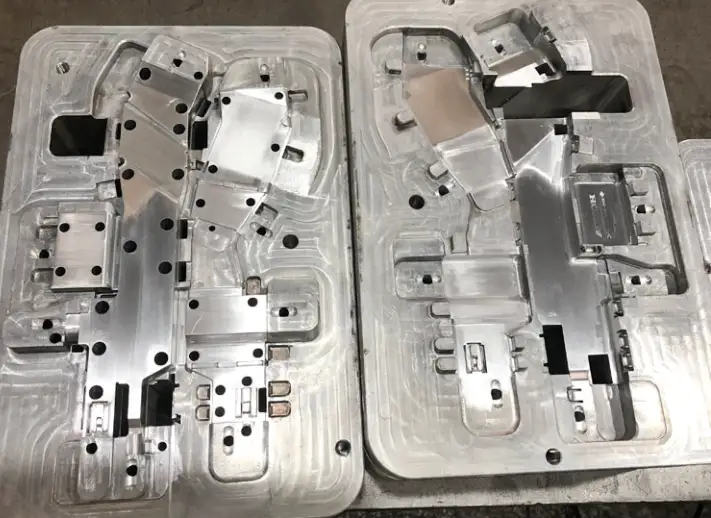
Aluminum Molds
- Fast and cost-effective
- Ideal for short production runs
- Supports small quantities of high-quality injection-molded parts
Soft Steel Molds
- More durable than aluminum
- Suitable for repeated short-run tooling
- Ideal for pilot production molding and bridge tooling production
3D Printed Molds
- Quick and low-cost
- Best for functional prototype plastic parts and test-run injection molding
- Compatible with rapid injection molding and on-demand injection molding
Materials Used in Small Batch Production
Low-volume injection molding supports a wide range of materials:
- Standard thermoplastics: ABS, PC, PP, PE, Nylon
- Engineering plastics: POM, PBT, PEEK, Ultem
- Flexible materials: TPU, TPE
- Specialty plastics: FDA-compliant, flame-retardant, high-heat plastics
Using production-grade materials ensures that small batch molded parts behave exactly like parts from traditional injection molding.
Applications of Small Batch Injection Molding
Small batch injection molding is versatile and supports many industries:
1. Prototyping and Product Development
- Functional prototype plastic parts
- Custom prototype parts
- Evaluate the design before mass production
2. Low-Volume Manufacturing
- Small series injection molding
- Limited-run plastic parts
- Perfect for startups and pilot-scale plastic molding
3. Test-Run Injection Molding
- Trial production molding for validation
- Bridge tooling production for high-volume preparation
4. Custom Components
- Small quantity plastic parts
- Small-lot plastic production
- Custom low-volume molding for niche applications
Advantages of Small Batch Injection Molding
1. Reduced Lead Time
- Rapid tooling solutions allow short-run tooling
- 3D printed injection molds accelerate design validation
2. Lower Costs
- Aluminum molds and soft steel molds reduce the minimum order quantities
- Ideal for low-volume production and small production volume plastics
3. High-Quality Plastic Parts
- Excellent surface finish
- Tight tolerances
- Injection molding provides production-grade durability
4. Flexibility
- Modify molds or parts between batches
- Supports custom trial batch molding and on-demand injection molding
5. Scalability
- Small batch production can scale to larger runs
- Supports bridge tooling production and pilot production molding
Design Considerations for Small Batch Molding
For the best results in low-volume injection molding:
- Maintain consistent wall thickness
- Use appropriate draft angles for demolding
- Avoid unnecessary undercuts
- Incorporate ribs for structural support
- Optimize gate placement
- Minimize shrinkage and warpage
- Ensure mold design allows high-quality injection molded parts
Good mold design reduces defects and maximizes efficiency.
Small Batch Injection Molding vs 3D Printing
Both are used for prototyping and low-volume production, but injection molding delivers production-ready parts:
- 3D Printing: Excellent for early prototypes, visual models, and concept testing
- Small Batch Injection Molding: Ideal for functional prototypes, high-quality molded parts, and short-run production
For many companies, the workflow is:
3D print → test → small batch injection molding → mass production
Choosing the Right Small Batch Injection Molding Service
Look for a company offering:
- Custom low-volume molding and short-run injection molding
- Rapid tooling solutions and 3D printed molds
- Pilot production molding and bridge tooling production
- Expertise in prototype injection molding
- Fast lead times and on-demand injection molding
- High-quality plastic parts with excellent surface finish
- Support for small-scale industrial molding
A trusted partner ensures low-volume injection molding provides accurate, functional, and production-grade results.
Use Cases for Small Batch Injection Molding
Startups & Product Developers
- Small projects, limited-run plastic parts, custom sample molding
Electronics & Consumer Products
- Small-lot plastic production, custom prototype parts, and trial production molding
Automotive & Industrial Components
- Bridge production plastics, pilot-scale plastic molding, and limited quantity components
Medical Devices
- Prototype injection molding, short-run injection molding for small batch medical parts, functional prototypes
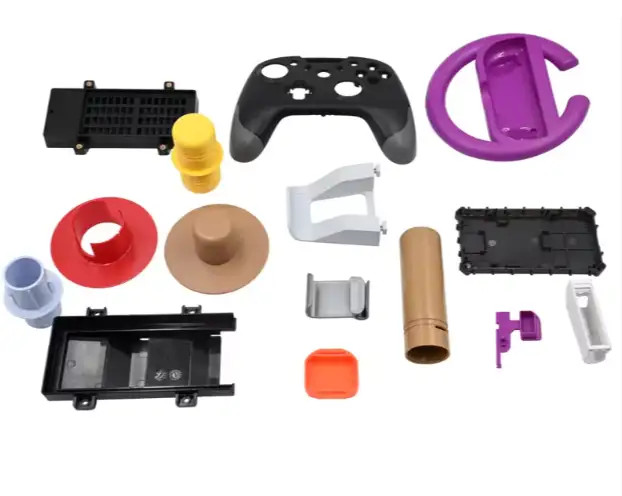
Future Trends in Small-Batch Injection Molding
- Digital mold design and simulation
- Rapid tooling and 3D printed injection molds
- Increased use of custom low-volume molding for startups
- Automation and robotics for short-run tooling
- Environmentally-friendly materials for low-volume manufacturing services
- Faster production of small series injection molding
The demand for small batch manufacturing is growing as companies prioritize faster time to market and cost-effective production.
Conclusion
Small batch injection molding provides a cost-effective, flexible, and high-quality solution for producing plastic parts in low volumes. It enables rapid prototyping, pilot production, and short-run production, offering the same precision and durability as high-volume injection molding.
With tooling options like aluminum molds, soft steel molds, and 3D printed molds, along with custom low-volume molding capabilities, manufacturers can quickly produce high-quality injection molded parts for small projects, limited-run plastic parts, and on-demand injection molding needs.
From functional prototype plastic parts to pilot production molding, small batch production bridges the gap between development and mass production while reducing lead time, cost, and risk. It is the ideal solution for startups, engineers, and manufacturers seeking flexible molding solutions with excellent surface finish and precision.
Whether your project involves small-scale industrial molding, limited quantity plastic components, or custom prototype parts, small batch injection molding delivers the quality, flexibility, and efficiency required for modern manufacturing.