

Injection moulding remains the backbone of global plastic manufacturing. It produces billions of plastic parts annually—from consumer goods and medical devices to automotive components, safety equipment, and precision engineering-grade plastics. Selecting the right injection moulding material is essential for achieving optimal mechanical properties, efficiency, durability, and cost-performance.
This comprehensive guide explores the most common injection moulding plastics, key plastic resin types, thermoplastic materials, engineering plastics, and the selection criteria used by OEMs, product designers, and manufacturers across industries.
By analysing chemical resistance, temperature performance, moisture resistance, dimensional stability, impact resistance, melting point, and application suitability, this article provides everything needed to make informed material decisions.
Introduction to Injection Moulding Materials
The injection molding process converts molten plastic polymer or plastic resin into precise, repeatable, and high-volume plastic parts. With advances in technology, modern moulding supports:
- Commodity plastics for cost-efficient production
- Engineering-grade resins for high-performance engineering components
- Thermoplastic elastomers (TPE), liquid silicone rubber (LSR), and thermoplastic polyurethane (TPU)for flexible applications
- Glass-filled plastics and reinforced polymers for structural strength
Understanding injection molding materials enables manufacturers to design components with exceptional durability, reliability, and aesthetics across markets such as:
- Automotive parts
- Medical devices
- Electrical housings
- Cable insulation
- Power tools
- Plastic bottles and plastic toys
- Wall socket plastic guards
- Conveyor belts
- Shock dust boots
- Structural plastic parts
Each plastic injection molding material has unique mechanical and chemical characteristics that determine its behaviour during moulding and long-term performance.
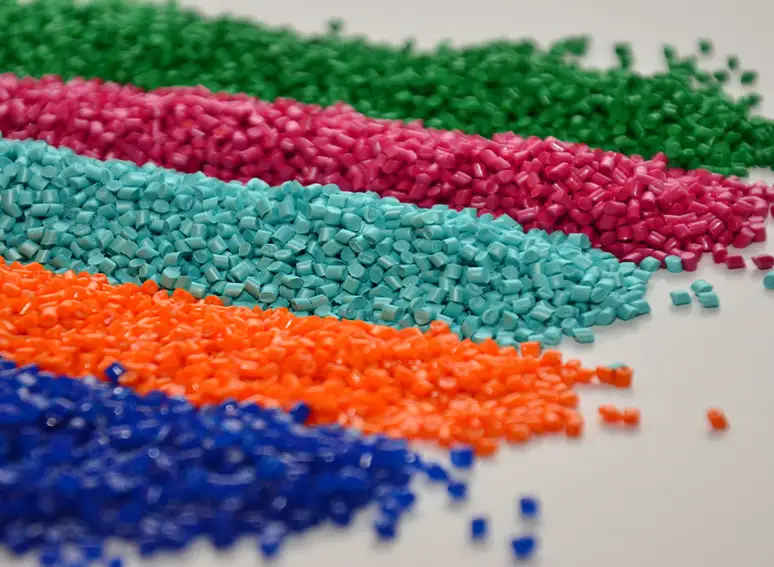
Acrylonitrile Butadiene Styrene (ABS)
Overview
Acrylonitrile butadiene styrene, a typical common injection moulding plastics, also known as ABS, is one of the most widely used engineering plastics in injection moulding. Known for its combination of toughness and attractive surface finish, ABS remains a cornerstone of consumer, automotive, and industrial plastic manufacturing.
Key Properties
- Strong impact resistance
- Good dimensional stability
- Excellent surface finish
- Moderate heat resistance
- Low shrinkage
- Good machinability
Applications
- Consumer electronics housings
- Automotive interior components
- Power tools and enclosures
- Plastic toys
- Wall socket plastic guards
- Cosmetic packaging
- Engineering-grade plastic components
Performance Notes
ABS is considered a mold-friendly polymer and supports ABS plastic molding with stable processing windows, making it suitable for large-volume production. However, it demonstrates poor UV resistance and poor resistance to aggressive solvents, requiring additives or coatings in outdoor applications.
Polypropylene (PP)
Overview
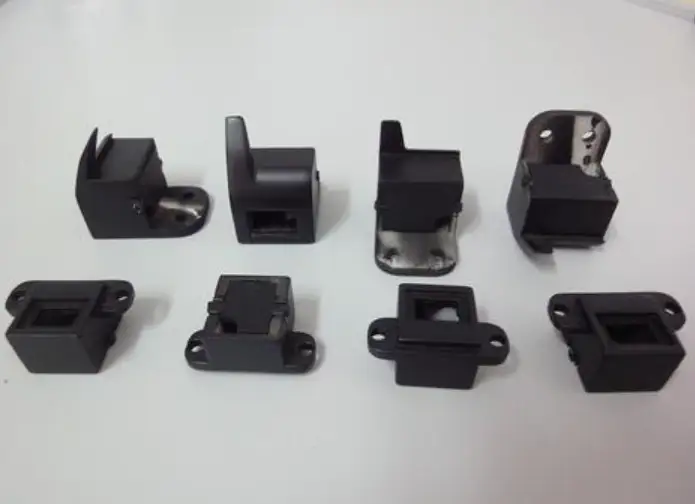
Polypropylene molding (PP) is widely used common injection moulding plastics due to PP’s low density, cost efficiency, and excellent combination of chemical resistance, moisture resistance, and fatigue resistance.
Key Properties
- Lightweight thermoplastic polymer
- Excellent chemical resistance
- Exceptional hinge performance (living hinges)
- Very good moisture resistance
- Relatively low melting point, facilitating low energy consumption
- High flexibility for injected molded polypropylene components
Applications
- Food containers (food-grade injection materials)
- Medical-grade plastics (syringes, disposables)
- Plastic bags
- Household goods
- Automotive battery housings
- Caps, closures, and hinges
Performance Notes
PP offers strong resistance to environmental stress cracking, though some grades may experience performance variations with UV light exposure without stabilisation.
Polyethylene (PE): HDPE & LDPE
Overview
Polyethylene materials (PE) include high-density polyethylene (HDPE) and low-density polyethylene (LDPE). PE is among the most widely used commodity plastics.
Key Properties
- High toughness and flexibility
- Good chemical resistance
- Low moisture absorption
- Good weather resistance in certain grades
- Safe for plastic bottles, caps, and food packaging
HDPE: High-Density Polyethylene
- High stiffness
- Strong impact resistance
- Excellent chemical-resistant polymer behaviour
- Ideal for industrial plastic resins
LDPE: Low Density Polyethylene
- Enhanced flexibility
- Good clarity
- Widely used for plastic bags and household packaging
Applications
- Chemical containers
- Industrial buckets
- Bottle caps
- Toys
- Cable insulation
- Food containers
Performance Notes
PE has poor UV resistance without additives. HDPE is frequently chosen for structural plastic parts, while LDPE is favoured for flexible packaging.
Polycarbonate (PC)
Overview
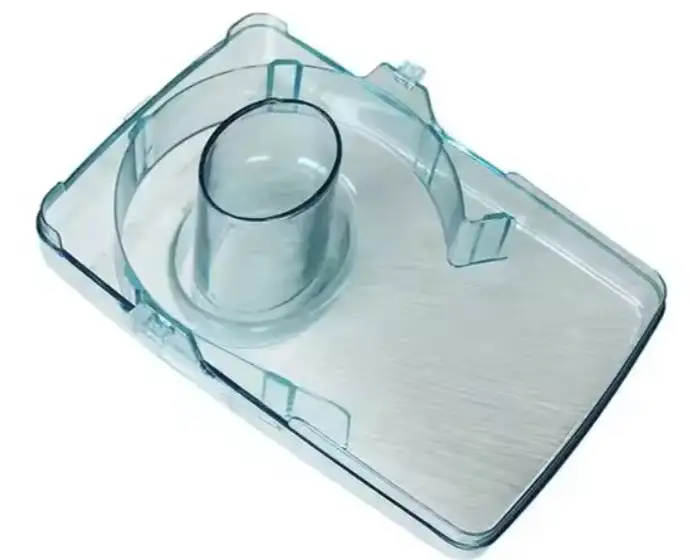
A premium engineering-grade plastic, polycarbonate injection parts (PC) are known for exceptional durability, transparency, and high impact strength.
Key Properties
- Supports light transmission (optical clarity)
- High temperature resistance
- High impact resistance
- Good dimensional stability
- Strong weather resistance
Applications
- Safety goggles
- Transparent housings
- Automotive lighting
- Medical devices
- Electrical components
Performance Notes
PC offers a wide temperature range, supports precise dimensional control, and is ideal for premium applications. It may require coatings to improve scratch resistance.
Polyamide (Nylon – PA6, PA66)
Overview
Nylon injection moulding (PA), another common injection moulding plastics is crucial for mechanical and automotive parts, offering great strength-to-weight performance.
Key Properties
- High strength
- Low friction
- Good wear-resistant polymer behaviour
- High melting point
- Good creep resistance
- Strong impact resistance
Applications
- Gears
- Bearings
- Lock systems
- Mechanical housings
- Conveyor belt components
- Automotive engine bay components
Performance Notes
Nylon has higher moisture absorption, which affects thermal expansion and dimensions. It is commonly reinforced with glass fibers for structural performance.
Polyoxymethylene (POM / Acetal)
Overview
Commonly referred to as POM acetal moulding, this engineering plastic offers precise tolerances and excellent rigidity.
Key Properties
- High stiffness
- Low friction
- Strong fatigue resistance
- Excellent dimensional stability
- Good chemical resistance
Applications
- Gears, cams, and precision components
- Lock systems
- Industrial conveyor fittings
- Automotive fasteners
Performance Notes
POM is ideal for high-performance parts requiring precise dimensional control and excellent wear characteristics.
Polyvinyl Chloride (PVC)
Overview
PVC, a common injection moulding plastics, is a durable, opaque thermoplastic polymer widely used across construction and electrical markets.
Key Properties
- Strong chemical resistance
- Natural flame-retardant properties
- High stiffness in rigid grades
- Flexible material options available (plasticised grades)
Applications
- PVC plastic components
- Electrical housings
- Pipe fittings
- Medical tubing
Performance Notes
PVC requires careful processing due to its narrow thermal processing window.
Polystyrene (PS): GPPS & HIPS
Overview
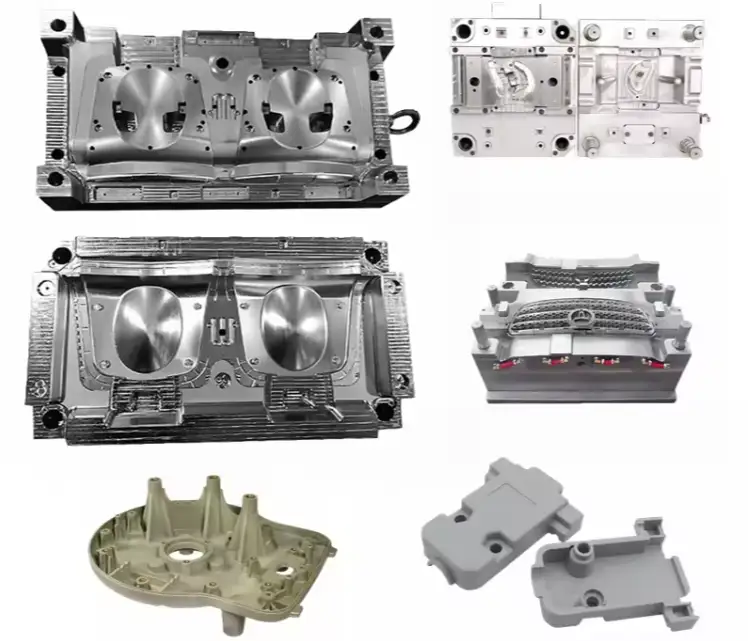
High-impact polystyrene (HIPS) improves upon GPPS with stronger impact resistance using rubber modifiers.
Key Properties
- Good rigidity
- Smooth surface finish
- Easy processing
- Wide use in electronics and consumer goods
Applications
- Plastic toys
- Appliance housings
- Packaging components
Thermoplastic Elastomers (TPE), TPU & TPR
Overview
Flexible common injection moulding plastics like thermoplastic elastomer (TPE), thermoplastic polyurethane (TPU), and thermoplastic rubber (TPR) combine rubber-like elasticity with thermoplastic processing.
Key Properties
- Excellent elasticity
- Strong abrasion resistance
- Good weather resistance
- High chemical resistance
- Useful for ergonomic, soft-touch products
Applications
- Grips and handles
- Overmoulding for ABS or PC
- Medical-grade plastics
- Shock dust boots
- Tool grips
Acrylic (PMMA)
Overview
Used commonly for acrylic molding (PMMA), this material supports high clarity and weather resistance.
Key Properties
- Excellent optical performance
- Scratch-resistant
- Good UV-stability
- Often used as a substitute for glass
Applications
- Light covers
- Transparent housings
- Automotive displays
PET, PBT & Engineering Resins
PET Injection Moulding
PET offers strong chemical resistance and low moisture absorption, a typical common injection moulding plastics, ideal for:
- Plastic bottles
- Automotive parts
- Electrical components
Other High-Temperature Thermoplastics
- PPS
- PEI
- PEEK
These high performance engineering components deliver:
- High heat resistance
- Exceptional mechanical strength
- High chemical resistance
Often produced using advanced resins such as Mitsubishi Chemical Advanced Materials.
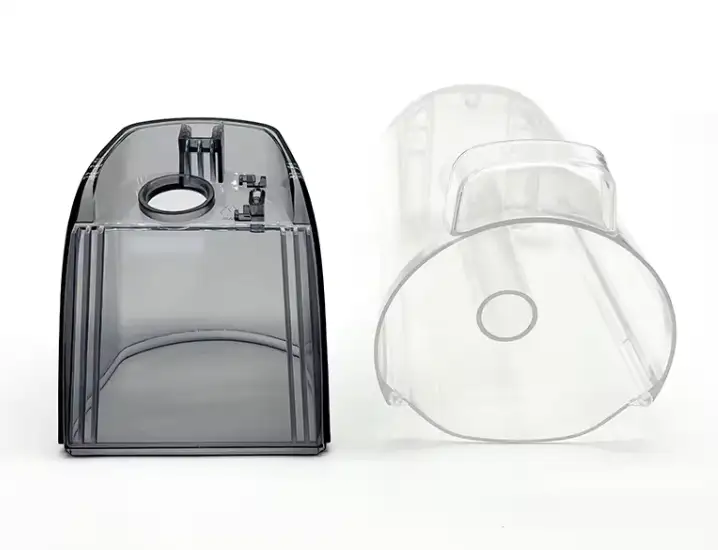
Material Comparison Table
A material comparison table offers a clear, structured way to evaluate the most common injection moulding plastics. By comparing strength, durability, cost, heat resistance, and application suitability, engineers and buyers can quickly identify the best resin for their project and make informed, efficient material-selection decisions.
| Material | Strength | Heat Resistance | Chemical Resistance | UV Resistance | Cost | Applications |
|---|---|---|---|---|---|---|
| ABS | Medium | Medium | Medium | Poor | Low | Toys, housings |
| PP | Medium | Low | High | Medium | Very Low | Food, medical |
| HDPE | Medium | Low–Medium | High | Poor | Low | Bottles, containers |
| PC | High | High | Medium | High | High | Lenses, housings |
| PA | High | High | Medium | Medium | High | Gears, auto parts |
| POM | High | High | High | Medium | High | Precision parts |
| TPE/TPU | Medium | Medium | High | High | High | Grips, seals |
| PVC | Medium | Medium | High | Medium | Low | Electrical, pipes |
| PMMA | Medium | Medium | Low | High | Medium | Transparent parts |
| HIPS | Low–Medium | Low | Low | Medium | Low | Packaging |
Material Selection Guide
When choosing injection moulding polymers, consider:
1. Mechanical Properties
High load, impact, or wear applications require engineering plastics such as PC, PA, POM, or glass-filled plastics.
2. Temperature Requirements
Use heat-resistant plastics like PC, PBT, PPS, or PEI for high-temperature environments.
3. Chemical Environment
PP, HDPE, and POM provide excellent chemical-resistant polymer characteristics.
4. Cost Targets
Commodity plastics (PP, PE, PS) optimise cost efficiency.
5. Regulatory Needs
- Food-grade: PP, PE, PET
- Medical-grade: TPU, PP, PC, LSR
6. Optical Clarity
PMMA and PC provide high light transmission.
Conclusion
Selecting the right injection molding plastic requires a deep understanding of each material’s mechanical properties, chemical resistance, temperature performance, moisture behavior, and application environment. From commodity plastics like PP, HDPE, and HIPS to engineering-grade resins such as PC, PA, and POM, each polymer plays a unique role in modern manufacturing.
With advances in thermoplastic polyurethane, thermoplastic elastomers, liquid silicone rubber, glass-filled plastics, and high-performance polymers from suppliers like Mitsubishi Chemical Advanced Materials, manufacturers today have access to more durable plastic components, weather-resistant materials, UV-stable plastics, and high-strength polymers than ever before.
By aligning material properties with product functionality, performance expectations, and environmental conditions, manufacturers can ensure efficient production, long-term durability, and world-class product performance.