
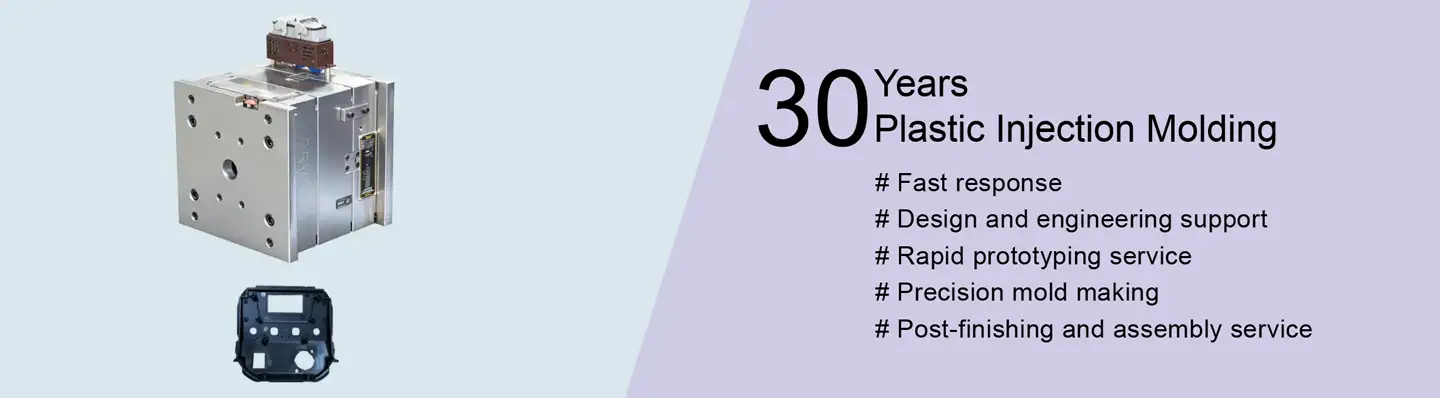
Plastic injection molding is one of the most versatile and widely used manufacturing processes across industries, enabling the production of precision plastic parts, custom molded components, and industrial plastic assemblies.
From automotive and aerospace to medical devices, consumer products, and electronics, plastic injection molders play a critical role in transforming thermoplastic resins into functional, cost-effective, and high-quality components.
This comprehensive guide explores everything about plastic injection molding, including injection molding machines, custom injection molding services, mold design and fabrication, prototyping, high- and low-volume production, quality control, and tooling solutions. It is tailored for OEMs, engineers, and project managers seeking a reliable plastic manufacturing solution.
What Are Plastic Injection Molders?
Plastic injection molders are specialized companies or manufacturers that produce custom plastic injection molding products using advanced injection molding machines and sophisticated molding processes. They provide end-to-end services, including:
- Plastic part prototyping and sample parts
- Custom plastic molding and high-volume production molding
- Mold design and fabrication, including aluminum tooling and CNC mold machining
- Molded part finishing and assembly services
- Project management and support throughout the production process
Professional plastic injection molders focus on producing high-quality parts that meet strict quality requirements, lead times, and cost-effective manufacturing goals.
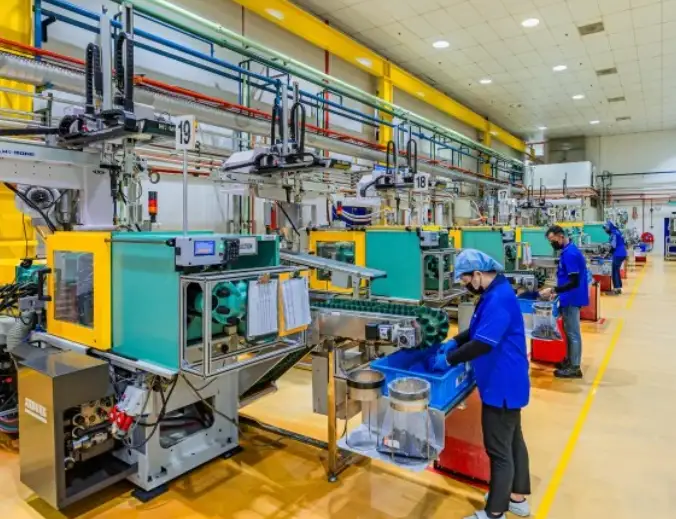
The Plastic Injection Molding Process
The plastic injection molding process transforms thermoplastic resins into functional parts with precision and repeatability. It involves several key stages:
1. Material Selection and Preparation
Plastic injection molders work with a wide range of plastics, including:
- Acrylonitrile Butadiene Styrene (ABS)
- Polypropylene (PP)
- Thermoplastic Polyolefin (TPO)
- Nylon (PA)
- Engineering plastics for high-temperature plastic molding
- Medical-grade plastics for medical devices
Resins are dried, blended, and prepared to eliminate moisture, which is critical for producing quality parts without defects.
2. Injection and Molding
The injection molding machine heats the plastic resin to the processing temperature and injects it into the mold cavity under controlled injection pressure. The molding process ensures complete filling, dimensional accuracy, and proper wall thickness for structural integrity.
3. Cooling and Solidification
After injection, the molded parts cool within the mold. Controlled cooling times prevent warpage, shrinkage, and defects, particularly in multi-cavity molds or family molds producing multiple parts per cycle.
4. Ejection and Finishing
Once the part solidifies, ejector pins or other tools remove the part from the mold. Post-processing may include:
- Plastic part assembly
- Molded part finishing
- Painting, overmolding, or insert molding services
- Packaging for end-use production parts
Types of Plastic Injection Molders
Plastic injection molders specialize in various processes based on volume, complexity, and material requirements.
1. High-Volume Production Molding
Used for automotive, aerospace, and consumer products, high-volume molders use multi-cavity molds and automated injection molding to efficiently produce large numbers of quality parts. These molders emphasize:
- Short lead times
- Consistent production parts
- Cost-effective thermoplastic injection molding
2. Low-Volume and Rapid Injection Molding
Ideal for prototyping, sample parts, and custom projects, low-volume plastic molding allows engineers to:
- Validate part design
- Test production process
- Optimizing mold flow analysis
3. Specialty Plastic Injection Molders
These molders handle medical-grade plastic molding, high-temperature plastic molding, and engineering plastic molding, serving industries like medical devices, aerospace, and electronics.
4. Contract / Custom Injection Molding
OEMs often rely on molders to work closely on project needs, managing mold production, tooling, and manufacturing processes from start to finish. This turnkey approach ensures precision plastic parts that meet ISO-certified plastic molding standards.
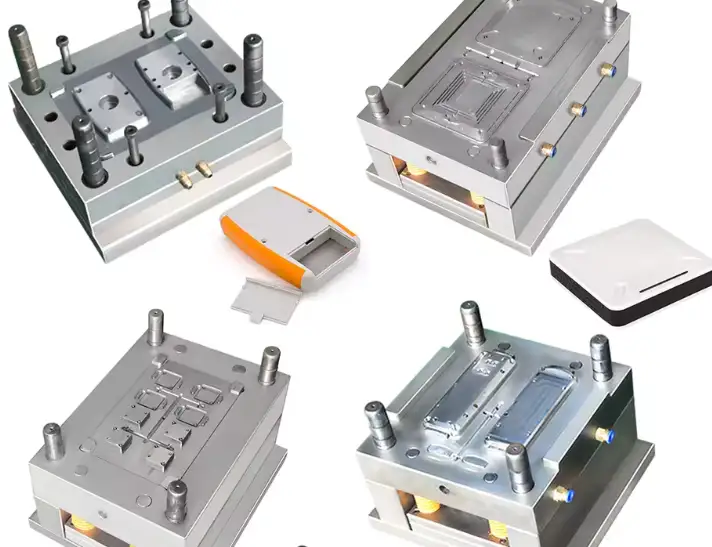
Materials Used by Plastic Injection Molders
Plastic injection molders work with a wide selection of thermoplastics, including:
- ABS (Acrylonitrile Butadiene Styrene): Cost-effective, strong, ideal for consumer products and electronics
- Polypropylene: Flexible, chemical-resistant, used for packaging and automotive parts
- Nylon: Durable, wear-resistant, used for industrial plastic components
- TPO (Thermoplastic Polyolefin): Low-cost, flexible, suitable for automotive and house parts
- Engineering plastics: High-temperature, chemical-resistant, and precision plastic parts
- Medical-grade resins: Biocompatible for medical devices and custom molded components
By choosing the appropriate material, plastic injection molders can produce parts that meet both mechanical and aesthetic requirements.
Mold Design and Tooling Services
Mold design and fabrication is a core capability of professional plastic injection molders. Proper tooling ensures quality parts, reduces lead times, and supports high-volume production.
Key Considerations
- Material of molds: Aluminum for rapid prototyping, steel for high-volume or high-temperature parts
- Mold type: Single-cavity, multi-cavity molds, or family molds
- Tooling features: Gates, runners, ejector pins, cooling channels
- Wall thickness and draft angles: Optimized for molded parts quality
- Mold maintenance and lifecycle: Prevents defects and maintains precision mold manufacturing
Advanced services include CNC mold machining, mold flow analysis, and plastic mold maintenance to ensure continuous production success.
Plastic Part Design Tips
Design for Manufacturability (DFM) is critical in custom plastic injection molding. Plastic part design services focus on:
- Uniform wall thickness to prevent warpage
- Ribs and bosses to increase strength without adding material
- Draft angles to improve ejection
- Fillets and rounded corners to reduce stress concentration
- Flexible features for insert molding or overmolding solutions
By applying design tips early, molders help clients produce parts that are cost-effective, quality-oriented, and scalable.
Plastic Injection Molding Services Offered
Professional plastic injection molding companies often provide a full range of services:
- Custom plastic molding and thermoplastic injection molding
- Plastic part prototyping and sample parts
- High-volume and low-volume production molding
- Rapid injection molding for fast project turnaround
- Plastic tooling services and CNC mold machining
- Insert molding, overmolding, and assembly services
- Plastic mold production and maintenance
- Quality control and ISO-certified standards
These services ensure OEMs and engineers can produce high-quality, consistent parts efficiently.
Industrial Applications of Plastic Injection Molded Parts
Automotive
- Parts: dashboards, connectors, housings, clips
- Materials: ABS, polypropylene, engineering plastics
- Requirements: heat resistance, durability, and precision
Aerospace
- Parts: brackets, insulation, connectors
- Materials: high-temperature plastics, engineering plastics
- Requirements: lightweight, flame-retardant, precision-molded parts
Medical Devices
- Parts: housings, surgical instruments, implants
- Materials: medical-grade plastics, biocompatible resins
- Requirements: sterilization resistance, tight tolerances, ISO-certified standards
Consumer Products
- Parts: packaging, housings, prototypes
- Materials: ABS, polypropylene
- Requirements: cost-effective, high-quality plastic parts
Electronics
- Parts: casings, connectors, insulating components
- Materials: thermoplastics, engineering plastics
- Requirements: electrical insulation, heat resistance, precision assembly
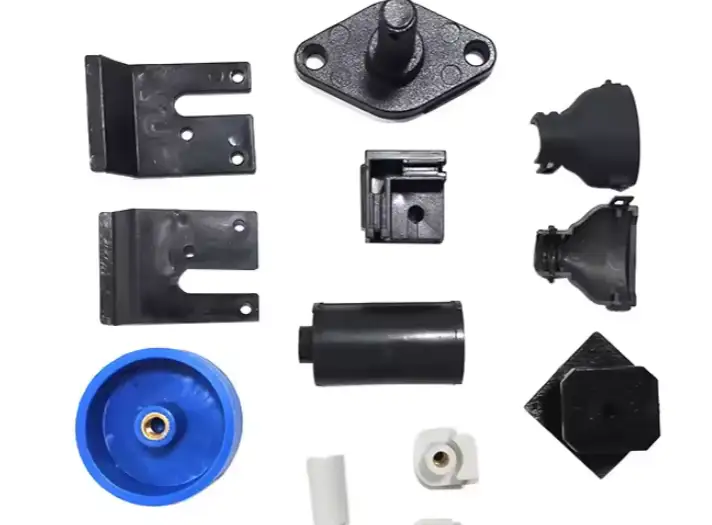
Quality Control and Project Management
High-quality plastic injection molders integrate scientific molding, plastic molding quality control, and project management into their workflows. Key measures include:
- Mold flow analysis for optimal injection molding process
- Dimensional inspection of molded parts
- Surface finish evaluation
- Mechanical and thermal testing
- Process documentation to ensure repeatability
Working closely with molders ensures lead times, project needs, and quality requirements are met.
Cost Factors in Plastic Injection Molding
The cost of injection molded parts depends on:
- Material choice: Engineering plastics and medical-grade resins are more expensive
- Mold complexity and tooling: Aluminum vs. steel molds, multi-cavity molds
- Production volume: High-volume production reduces unit cost
- Secondary processes: Overmolding, insert molding, and assembly
- Technology and automation: Automated injection molding machines reduce labor costs
By partnering with experienced plastic molding companies, OEMs can balance cost and quality effectively.
Trends in Plastic Injection Molding
- Advanced engineering plastics: PEEK, Ultem, reinforced resins
- Rapid prototyping and low-volume production
- Sustainable plastics: Recycled thermoplastics
- Automation and IoT-enabled machines
- Simulation-driven mold design: Reduces defects and lead time
These innovations enable plastic injection molders to deliver precision plastic parts faster, more reliably, and with lower costs.
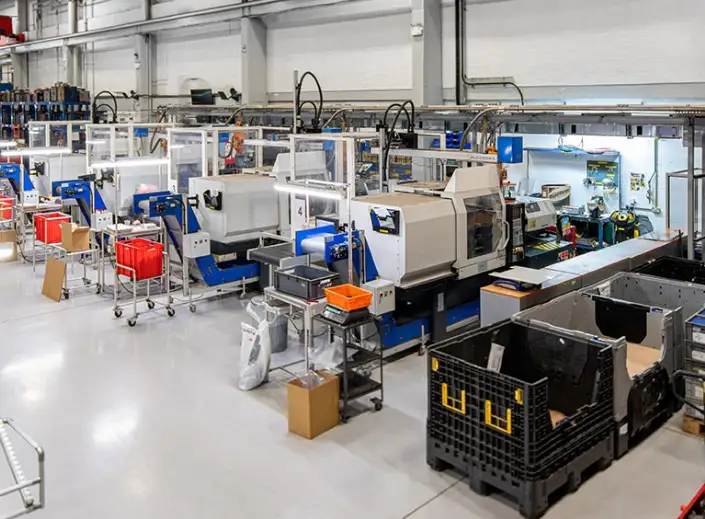
How to Choose the Right Plastic Injection Molder
When selecting a molder, consider:
- Experience with materials and project complexity
- Capabilities in high- and low-volume production
- Mold design and tooling services
- Quality standards and ISO certifications
- Ability to produce custom molded components and complex parts
- Prototyping and sample services for design validation
- Project management support and collaboration throughout the production process
A reliable plastic injection molder ensures successful projects, high-quality parts, and on-time delivery.
Conclusion
Plastic injection molders are critical partners for OEMs and engineers producing custom plastic injection molding products, precision plastic parts, and industrial plastic components.
By combining advanced injection molding machines, mold design and fabrication, thermoplastic resins, and quality control, molders deliver cost-effective, high-volume, and low-volume production solutions for automotive, aerospace, medical devices, electronics, consumer products, and industrial applications.
Whether producing sample parts, prototypes, or high-volume molded parts, working with professional plastic injection molders ensures reliable, repeatable, and quality-driven manufacturing solutions that meet both project needs and market expectations.